
 United StatesJFK
 MexicoMEX
 BrazilGRU
 ArgentinaEZE
 ChileSCL
 ColombiaBOG
 PeruLIM
 PanamaPTY
 Costa RicaSJO
 Dominican RepublicPUJ
 JamaicaMBJ
 BahamasNAS
 BarbadosBGI
 United KingdomLHR
 IrelandDUB
 FranceCDG
 GermanyFRA
 NetherlandsAMS
 BelgiumBRU
 SwitzerlandZRH
 AustriaVIE
 ItalyFCO
 SpainMAD
 PortugalLIS
 GreeceATH
 TurkeyIST
 DenmarkCPH
 SwedenARN
 NorwayOSL
 FinlandHEL
 PolandWAW
 Czech RepublicPRG
 HungaryBUD
 IcelandKEF
 United Arab EmiratesDXB
 QatarDOH
 Saudi ArabiaRUH
 IsraelTLV
 EgyptCAI
 MoroccoCMN
 South AfricaJNB
 KenyaNBO
 NigeriaLOS
 IndiaDEL
 PakistanLHE
 Sri LankaCMB
 SingaporeSIN
 MalaysiaKUL
 ThailandBKK
 VietnamSGN
 PhilippinesMNL
 IndonesiaCGK
 Hong KongHKG
 ChinaPVG
 TaiwanTPE
 JapanHND
 South KoreaICN
 AustraliaSYD
 New ZealandAKL
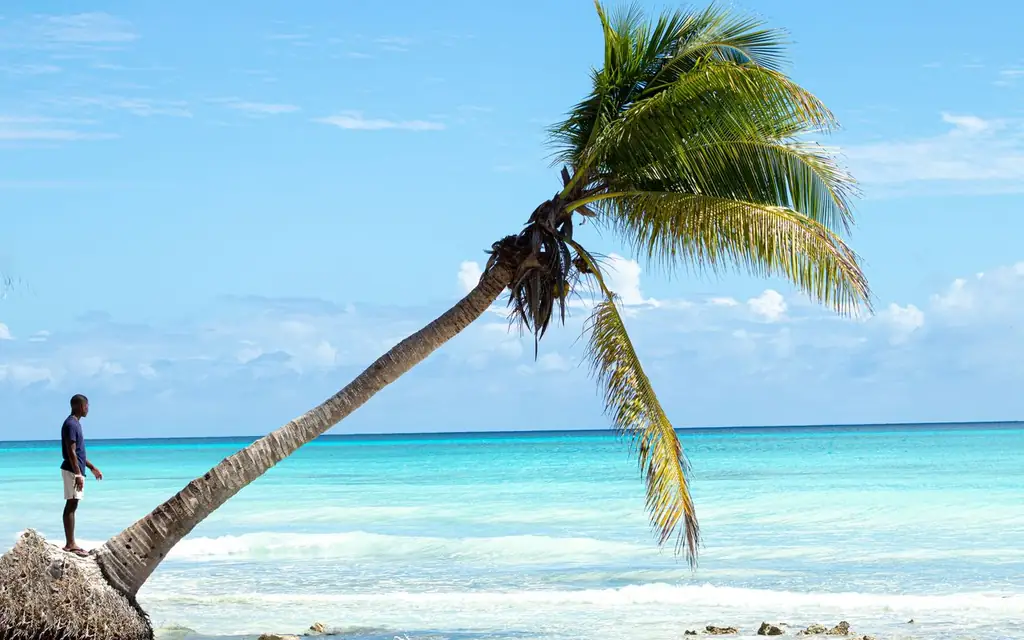
The photograph everyone takes at Eagle Beach is of a tree. The fofoti, bent by decades of trade wind, leans toward the water on a stretch of white sand, and the tourist board calls it Aruba's most photographed tree. It is now protected, and it is a good clue to the rest of the beach: Eagle Beach is a place with rules, because it is also the island's main turtle-nesting ground.
An eagle beach aruba private tour with driver is not about crossing a long distance. The beach is a short ride from the airport and the cruise terminal. It is about doing the short ride properly: getting the right drop-off, keeping the car off the sand, fitting beach days around turtle season, and linking the sand to a sunset dinner and an island circuit.
Why is Eagle Beach on so many best-beach lists?
Eagle Beach has more than 3 km of fine white coral sand, shallow and relatively calm water, shade huts and beachfront restaurants, and the island's most photographed fofoti tree. The beach is wide enough to stay uncrowded in high season, and it is the island's main sea-turtle nesting beach.
The official Visit Aruba page describes the beach as sitting in front of the island's low-rise hotels, rated excellent for swimming, with palapas, water sports and nearby facilities. A visitor listing adds that swimmers should stay within the designated swimming areas because the current can be stronger than it looks. The width is the other distinctive feature. The beach is described as one of the widest in the Caribbean, which is why the sand still has room on a busy afternoon in February.
The beach is public. Hotels line the road behind it, but no single operator owns the shoreline. That affects drop-off: there are many places to get out, and the sensible one is the one nearest to where you will sit, agreed in advance with the driver.
Distances: airport, cruise terminal and Oranjestad
Aruba is a small island, so the numbers are short. From Queen Beatrix International Airport to Eagle Beach is about 6 to 8 km (4 to 5 mi), a drive of 10 to 15 minutes. From the cruise terminal in Oranjestad, the beach is about 5 to 7 km (3 to 4 mi) and also 10 to 15 minutes by car. The island's main hotel road runs behind the beach, which keeps trips within the strip short.
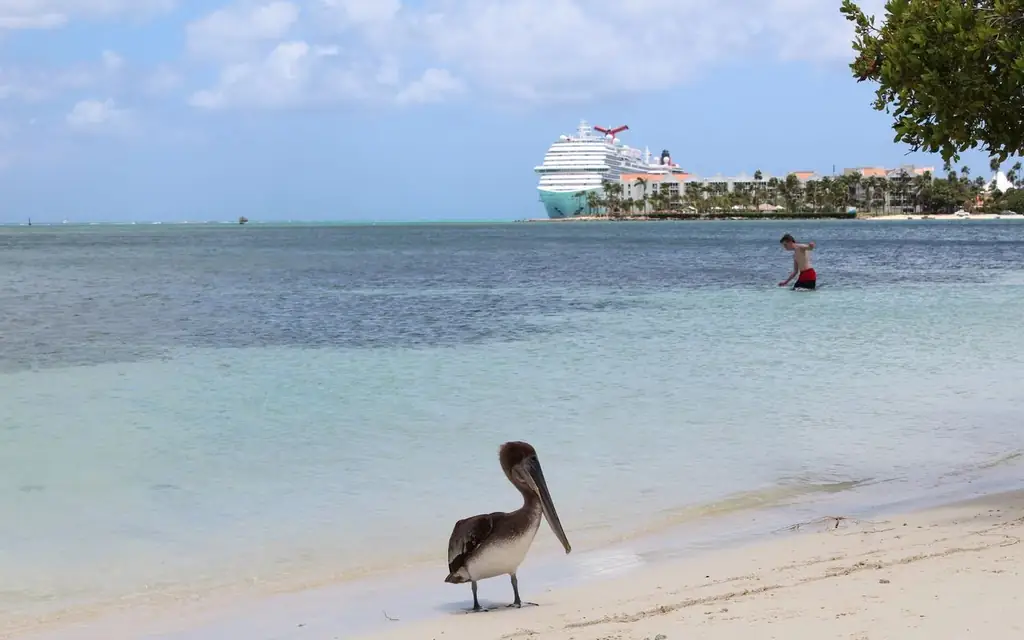
The airports directory covers the island's air gateway, and the cruise ports directory explains ship-day pickups and the return margin to leave before all-aboard.
For a beach, the distance is the least interesting number. What matters is the sequence: hotel to sand, sand to lunch, lunch to a second beach, back to the hotel before the sunset crowd.
Cars and the sand: what the rules say
The island's Eagle Beach guide is explicit: driving cars or quad bikes on the sand is not allowed, a rule that protects nesting turtles. For a chauffeur-driven day, that means the driver drops you at a public access point or hotel entrance and waits on the road side. Your pickup point is a place on the road, not on the beach. Agree on a landmark and a clock time, because beach days drift.
The beach is also not a place for vehicles after dark. If you plan to stay for a sunset dinner on the sand, tell the desk when you book so the car is timed for the end of the meal, not the start.
Turtle season: what a visitor should do differently
The Turtugaruba Foundation states that the sea-turtle season in Aruba runs from March through December. Four species nest on the island's beaches: the leatherback, loggerhead, green and hawksbill turtles. The tourist board says the majority of the island's nests are on Eagle Beach, and that hatchlings return to lay their eggs on the beach where they were born. The foundation notes that all four species are endangered and that the hawksbill is critically endangered.
Practical behavior from a visitor's point of view, following the general guidance given by conservation groups:
- Keep to the established paths and do not dig or build on the upper sand where nests may be.
- Keep lights low at night and avoid flash photography near the water.
- Leave any marked nest alone, and do not touch a turtle or hatchling.
- Report a stranded turtle to the foundation through its official contact route instead of handling it.
These are simple rules, and they are the reason the island has such a visible nesting program. The foundation's site lists a 24-hour hotline for emergencies; we do not reprint the number here, so use the Turtugaruba Foundation website for contact details. Night turtle watches are a separate activity, usually organized through resorts, and the desk can time a late pickup around them.
Wind, sand and what to put in the bag
The steady breeze that bends the fofoti tree is the island's normal weather, and it shapes the day. It keeps the afternoon heat bearable and the water lively, and it also means loose items go for a walk. Bring a hat with a chin strap, a heavy bag to anchor a towel, and a reef-safe sunscreen. The sand is fine and white and made of coral, so it is bright enough that even a cloudy hour can burn.
Leave jewelry, passports and spare cards in the hotel safe or with the driver, not in a beach bag on a towel. The chauffeur keeps a dry set of clothes, a cooler bag and the camera case in the vehicle, and he is the one person guaranteed not to wander off to swim. Remember that vehicles cannot come down to the sand, so a long walk with a heavy cooler is a poor plan. Carry what you can in one trip, and have the rest wait at the road.
Ceremonies, vow renewals and group arrivals
Eagle Beach is also a ceremony beach. The official guide to the beach lists Aruba I Do, a large vow-renewal event held on the sand. For a wedding or vow-renewal party, the car does the quiet work: the bride and the family arrive from the hotel at a set time, guests are collected from the airport in waves, and a larger vehicle takes the photographers' gear and the elderly relatives to the road-side drop-off.
If your group is arriving on several flights, send the desk the flight numbers and the number of guests, and tell us the ceremony time. We track flights, so a late arrival on a delayed flight is handled with the same booking. International airport pickups include 60 minutes of free waiting after landing, and a name-board meet-and-greet inside arrivals is available as an add-on, with an alias on the board for privacy on request.
Arriving by private aircraft or on a cruise call
A private-aircraft arrival is a different workflow from a commercial one: the handling agent clears the formalities, and the car meets you at the aircraft or at the agreed point. Give the desk the tail number, the arrival time and the bags. Our private aviation directory covers the process.
For cruise calls, the beach is close enough that a half-day is realistic. The practical pattern is a pickup at the terminal as soon as you clear the ship, two to three hours on the sand, and a return to the pier with a margin of at least 90 minutes before all-aboard. If your call is short, a beach hour plus a quick tour of Oranjestad is a better plan than a full beach day.
A beach day, and a sunset, in order
A day that works well on a short island:
- Early morning. The beach is quietest before 9:00, and the light on the fofoti tree is at its best. If you want the photograph without a queue, this is the hour.
- Midday. Shade huts and palapas fill early, so claim a spot in the morning. Water sports, including jet skis, banana boats and parasailing, run along the stretch.
- Lunch. The beach has beachfront restaurants, and the island's resort strip has more behind it.
- Afternoon. A second stop: the lighthouse at the northwest tip is roughly 8 to 10 km (5 to 6 mi) up the coast, and Palm Beach, with its larger hotels, is a short drive north.
- Sunset. Back to Eagle Beach for dinner on the sand. Tables in the sand at beachfront restaurants book early, so reserve a table and a car on the same day.
Check your fare for the Eagle Beach run
Add a half-day around the island
Aruba's other famous side is the rugged east, where the natural pool and the national park lie behind rough tracks. A standard sedan is the wrong vehicle for those tracks, and it is honest to say so: the east coast is a job for a specialist four-wheel-drive operator. The desk can arrange the chauffeur for the paved legs, the airport, the hotel and the west-coast beaches, and you can book a licensed off-road operator separately for the east coast.
The west-coast and city circuit is more suitable for a car: Oranjestad's harbor and old town, the Palm Beach resort strip, and the northern tip. A half-day by chauffeur covers all of it, with a stop for lunch. For a longer escape on a different island, see our guide to Atlantis Paradise Island in Nassau, or Saona Island in the Dominican Republic, for a beach day that depends on a boat.
Ways to reach the sand, side by side
| Option | Typical time | Cost feel | Best for |
|---|---|---|---|
| Private chauffeur | 10-15 min from airport or cruise terminal | Fixed fare via the booker | Families, groups, late arrivals, wedding parties |
| Public bus | 15-30 min, depends on the route | Lowest | Independent travelers with light bags |
| Taxi | 10-15 min | Set by the island's taxi rates | Short hops on a flexible day |
| Hotel shuttle | Varies | Included or extra | Guests whose hotel provides one |
| Rental car | 10-15 min | Fuel and insurance | Drivers who want to circle the island |
The public bus is a legitimate way to reach the beach: the tourist board lists car, taxi or public bus as the ways to get there. For a solo traveler with a beach bag it is the lowest-cost option. A private car is the better choice for groups, for travelers with large suitcases arriving at the airport, and for anyone who wants a driver to hold the dry bag while they swim.
Cars for a small island, and a few details
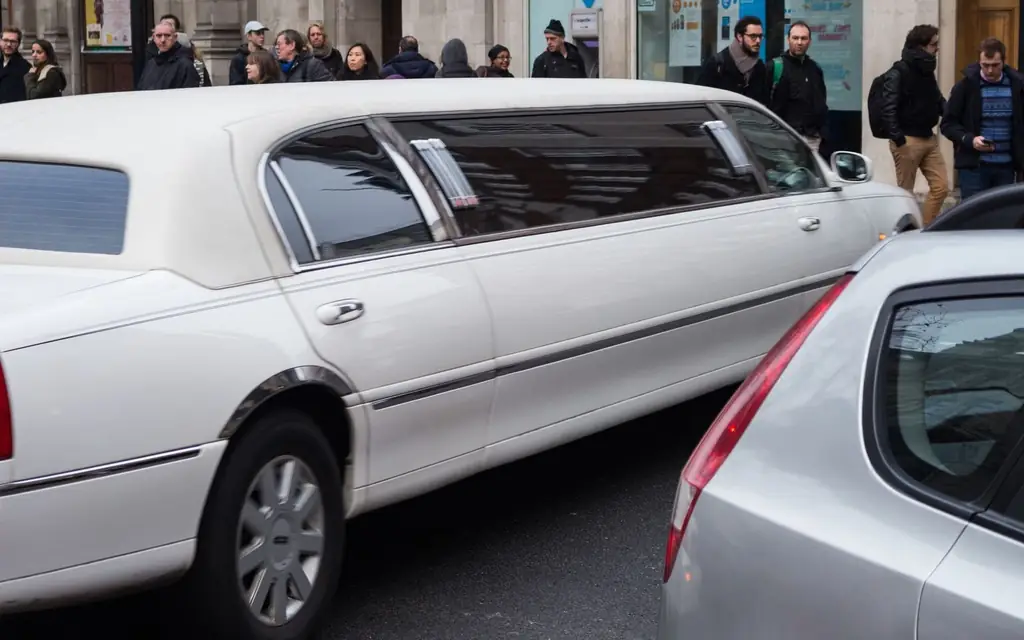
On an island this size the car choice is about gear, not distance. A couple with beach bags is comfortable in a sedan. A family of five with a pram, a cooler and snorkel sets is better in a Luxury SUV, and a wedding party or villa group can ask for a Sprinter, with the specific model named when the booking is confirmed. Seats for babies, toddlers and older children are fitted on request, so give ages when you reserve.
You see the fare in the booker before paying, and our worldwide desk, which never closes, is the single contact for changes, including a delayed flight. Every car comes from a vetted, licensed and commercially insured operator in our directory. For more island guides, start at the Latin America and Caribbean directory, see how hourly and day hire is arranged on our private tours with driver page, or browse the attractions hub.
Frequently asked questions
How far is Eagle Beach from the Aruba airport?
About 6 to 8 km (4 to 5 mi) and 10 to 15 minutes by car. Allow a little more if you land in the afternoon, when the roads between the airport and the hotels are busiest.
Can a car drive onto Eagle Beach?
No. The tourism site states that driving cars or quad bikes on the sand is not allowed, to protect nesting turtles. The chauffeur drops you at an access point on the road.
When can I see turtles at Eagle Beach?
The Turtugaruba Foundation gives the season as March through December. Most of the island's nests are on Eagle Beach. Night watches are usually organized through resorts and require registration.
Is the water at Eagle Beach safe for swimming?
The tourism site rates swimming as excellent with relatively calm water, but advises staying within the designated swimming areas because the current can be stronger than expected.
Where is the famous fofoti tree?
On Eagle Beach, where it is promoted as the island's most photographed fofoti tree and is now protected. Do not climb it or break branches.
Is Eagle Beach public?
Yes, it is a public beach in front of the island's low-rise hotels. Shade huts and facilities nearby are separate from the shoreline.
Can I visit from a cruise ship?
Yes. The beach is about 5 to 7 km (3 to 4 mi) from the Oranjestad cruise terminal. Plan to be back at the pier well before the ship's all-aboard time.
Can I take a child seat with me?
Seats for babies, toddlers and older children can be fitted if you list the children's ages when you reserve.
Can the driver wait while I swim?
Yes. Agree on a pickup point and time, and the driver waits on the road side. Tell the desk how long you want to stay.