
 United StatesJFK
 MexicoMEX
 BrazilGRU
 ArgentinaEZE
 ChileSCL
 ColombiaBOG
 PeruLIM
 PanamaPTY
 Costa RicaSJO
 Dominican RepublicPUJ
 JamaicaMBJ
 BahamasNAS
 BarbadosBGI
 United KingdomLHR
 IrelandDUB
 FranceCDG
 GermanyFRA
 NetherlandsAMS
 BelgiumBRU
 SwitzerlandZRH
 AustriaVIE
 ItalyFCO
 SpainMAD
 PortugalLIS
 GreeceATH
 TurkeyIST
 DenmarkCPH
 SwedenARN
 NorwayOSL
 FinlandHEL
 PolandWAW
 Czech RepublicPRG
 HungaryBUD
 IcelandKEF
 United Arab EmiratesDXB
 QatarDOH
 Saudi ArabiaRUH
 IsraelTLV
 EgyptCAI
 MoroccoCMN
 South AfricaJNB
 KenyaNBO
 NigeriaLOS
 IndiaDEL
 PakistanLHE
 Sri LankaCMB
 SingaporeSIN
 MalaysiaKUL
 ThailandBKK
 VietnamSGN
 PhilippinesMNL
 IndonesiaCGK
 Hong KongHKG
 ChinaPVG
 TaiwanTPE
 JapanHND
 South KoreaICN
 AustraliaSYD
 New ZealandAKL
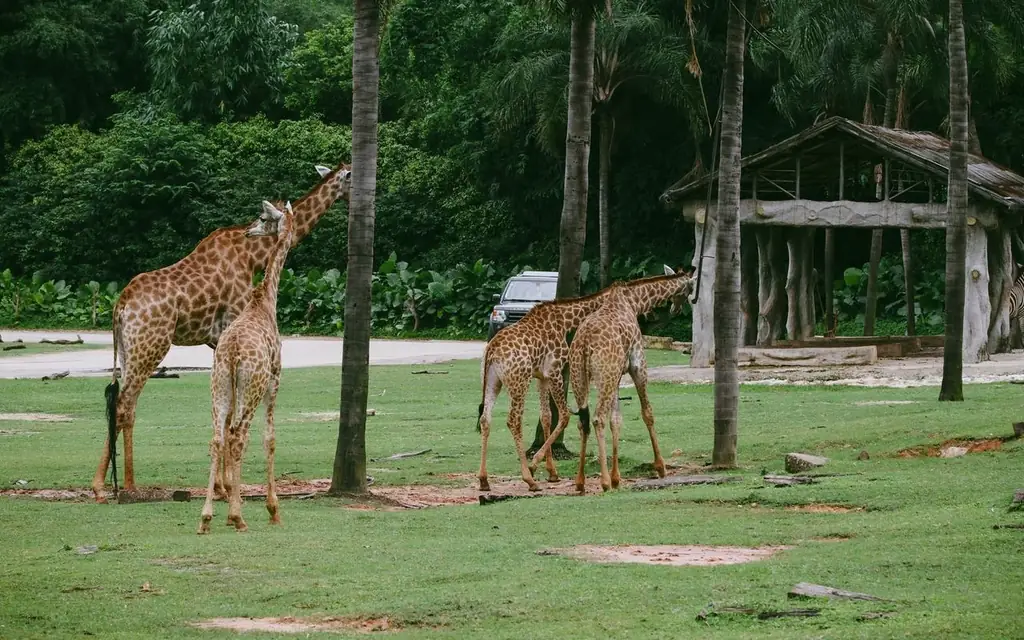
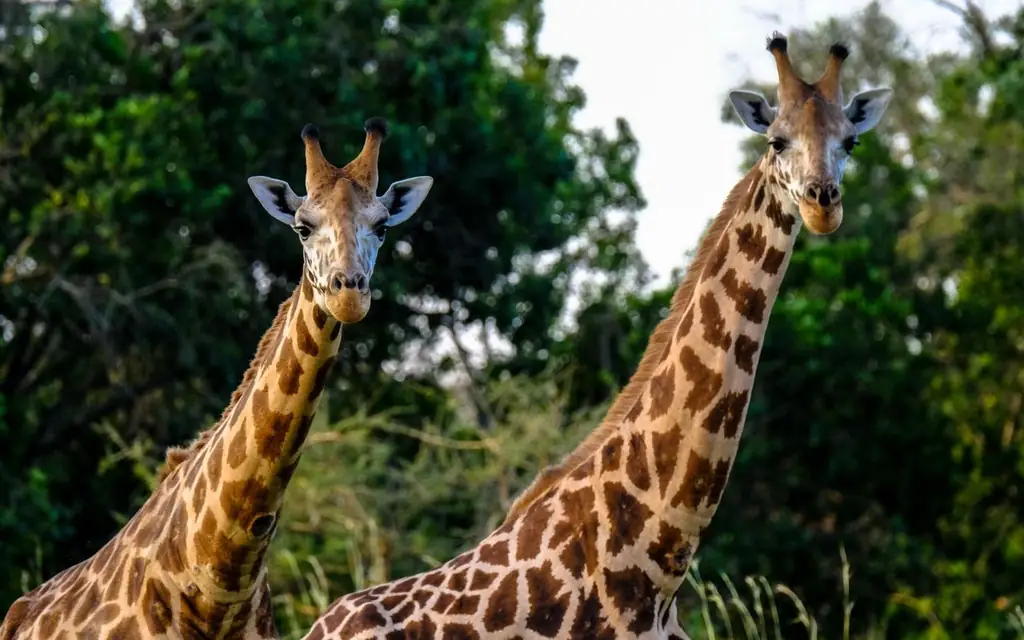
The best hour at the Giraffe Centre is the one after it opens at nine. The pellets are fresh, the educators are unhurried, the light is soft on the Ngong Hills behind the sanctuary, and the platform where you stand eye to eye with a Rothschild's giraffe is not yet crowded. By eleven on a weekday it is busy, and by lunchtime on a weekend it is a queue.
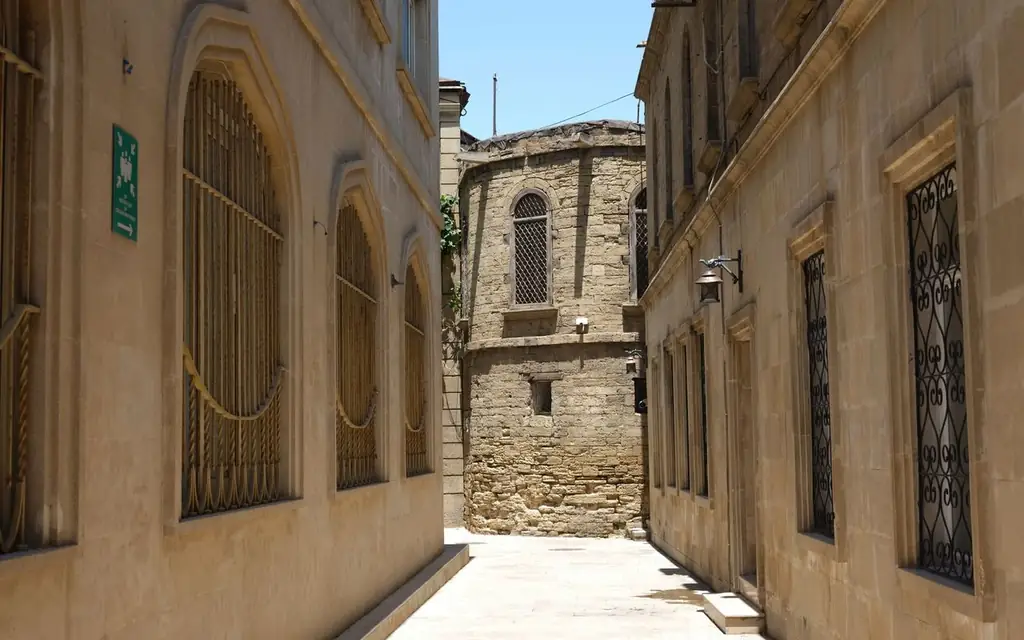
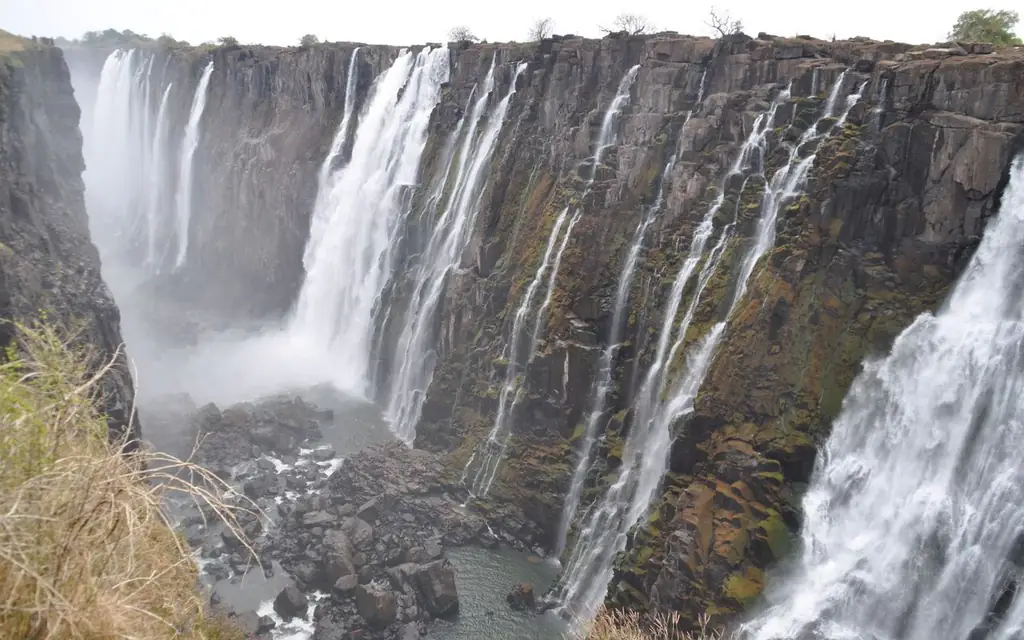
For anyone planning a Giraffe Centre private tour with driver or asking how to get to the Giraffe Centre by car, the real puzzle is Nairobi traffic and the sequencing of two or three stops in Karen. This guide uses the centre's own published hours, payment rules and visitor advice, adds the timing rules of the Sheldrick elephant nursery nearby, and shows how a chauffeur turns a difficult morning into a calm one. It also links to our guides to Stone Town and Victoria Falls for travelers building a longer East and Southern Africa route.
Where is the Giraffe Centre, and how far is it from Nairobi airport and the city center?
The centre is on Nyumbi Road, off Duma Road, in Nairobi's Lang'ata suburb. It says it is 15 km (9 miles) from the city center. From Jomo Kenyatta International Airport allow roughly 25 to 30 km (16 to 19 miles) and 40 to 60 minutes, longer at peak hours.
The official FAQ gives the address as Nyumbi Road off Duma Road in Lang'ata, and the homepage describes the centre as about 40 minutes from the city center, which is the more useful number in weekday traffic. Lang'ata and Karen are residential suburbs south-west of the center, with tree-lined roads, private schools and a strong safari-lodge tradition. The Giraffe Centre sits among them, next to the Nairobi National Park side of town.
Airport transfers vary with the time of day. The Mombasa Road corridor is notorious for congestion, and the Nairobi Expressway offers an alternative for part of the journey. A chauffeur from our directory chooses the route on the day from live traffic. Plan on 40 to 60 minutes in a quiet period and up to 90 minutes at peak. The airports hub lists the gateways we serve, and the Africa directory shows how Nairobi sits in the wider region.
Hours, payment and the official rates
The centre says it is open from 09:00 to 17:00 every day, including weekends and public holidays. The FAQ lists its busiest times as 11:00 to 13:00 on weekdays, with weekends and public holidays busy throughout the day. It recommends allowing 1.5 to 2 hours for a fulfilling visit: feeding, the educational talk, a walk and a snack at the Tea House.
Payment is by M-Pesa, Visa or Mastercard only, as stated on the official FAQ. The published rates as of 2026 are Ksh 1,500 for non-resident adults, Ksh 750 for non-resident children aged 3 to 12, Ksh 400 for resident adults and Ksh 200 for resident children, with children under 3 free. Residents means citizens or work-permit holders of East African Community countries, and identification is required. Students under 23 with a valid student card pay the children's rate. These are third-party prices quoted from the centre's site; check the official Giraffe Centre website before you travel, because the homepage also carries closure notices.
The centre states that about 90 percent of the funds from entrance fees and sales in the gift shop and Tea House support its conservation and education work, and that its guides are Environmental Studies students who volunteer as educators. A tip for your educator is encouraged.
What you will actually do inside
An educator hands you food pellets made of corn, wheat, grass and molasses, and you feed the giraffe at the browsing area or from the feeding platform, which gets you closer. A short talk at the information centre explains how and why the centre cares for this endangered animal. The nature sanctuary has a free 1.5 km nature trail down to the Gogo River, with a viewpoint toward the Ngong Hills and an alternative return past a warthog den; the centre notes that bird counts of up to 60 species have been recorded on a single stroll. The Tea House and the gift shop close the circuit.
Think about footwear and clothing. The trail is an easy walk but uneven in places, and the pellets are sticky. Bring a hat, sunscreen and a light layer. Children enjoy the feeding more than any other part of the day, but keep an eye on small hands near the giraffes' mouths and follow the educators' guidance.
The Karen morning: elephants first, giraffes after
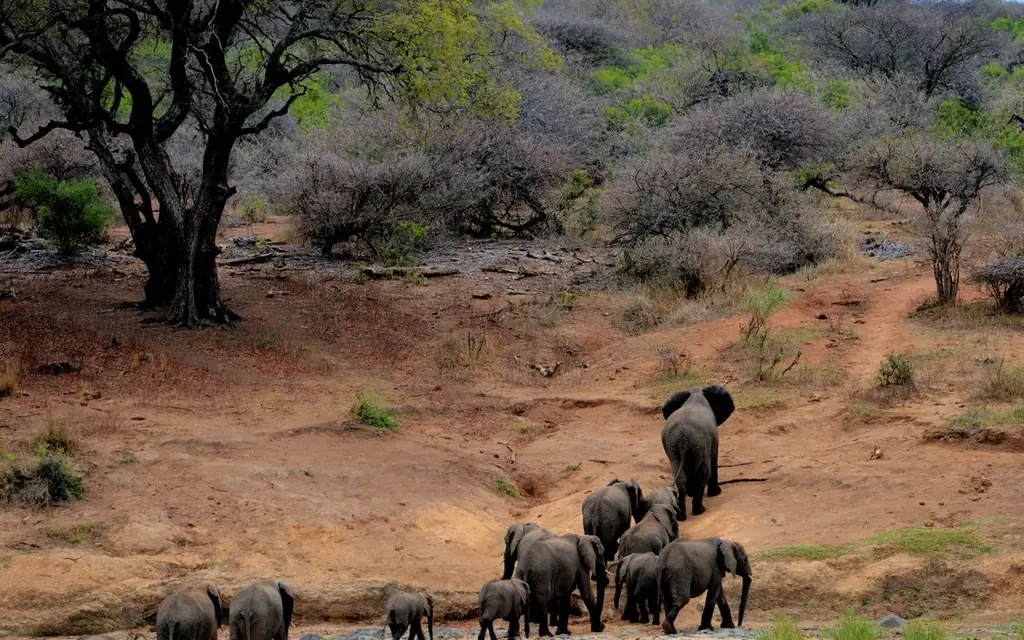
The David Sheldrick Wildlife Trust's Nairobi nursery runs a public visit from 11:00 to 12:00 every day except 25 December. Its official visiting page sets strict rules, and they decide the shape of your morning.
Booking is by email to the Trust's Nairobi office, not through third-party platforms, which the Trust says it does not accept. Visits can be booked up to three months ahead, never same-day, and the Trust asks you to allow at least two business days for a reply. The visit cannot be delayed or extended for late arrivals, and the Trust asks visitors to arrive by 10:30. Entry donations are paid in cash on arrival, with minimums listed on the page, and a separate Kenya Wildlife Service park fee applies; the Trust says KWS fees are best paid online beforehand. Access is through the KWS Mbagathi Gate on Magadi Road in Nairobi National Park. The Trust says taxi and rideshare drivers must drop visitors at the gate unless they have also paid park fees, so confirm with our desk what applies to your vehicle.
That timetable produces two workable sequences.
Weekday plan, elephants first. Leave the hotel early, reach the Mbagathi Gate by 10:30 for the 11:00 visit, and finish around 12:00. Drive about 5 km (3 miles) to the Giraffe Centre and arrive by about 13:00, when the weekday peak is ending. Allow two hours, lunch at the Tea House or in Karen, and return to the hotel by late afternoon.
Giraffes first. Arrive at the Giraffe Centre at 09:00, spend about 75 minutes there, and leave for the gate by 10:15. This is tight; the centre recommends up to two hours. Use it only if you are comfortable skipping the nature trail.
On weekends the centre is busy throughout the day, so go at 09:00 and treat the nursery as the second stop.
Karen and the rest of the south-west
Karen is the suburb named for the Danish author Karen Blixen, whose former farmhouse is now a museum run by the National Museums of Kenya; check its hours separately. The area has long-established craft centers, coffee farms and restaurants set in gardens, so lunch in Karen is a good use of the gap between stops.

If your itinerary includes a game drive in Nairobi National Park itself, ask the Kenya Wildlife Service about gates and vehicle rules; its site, kws.go.ke, lists conservation fees and contacts. Nairobi National Park is unusual for sitting beside a capital city, and the drive from the city is short. A chauffeur is not a licensed guide, so for a game drive in the park book a KWS-approved guide or an operator, and use us for the transfers either side.
Excursions further afield, such as the Rift Valley, are full-day trips from Nairobi and are best planned separately. Our private tours with driver page shows how longer routes are built.
What the centre is for, and school visits
The Giraffe Centre is run by the African Fund for Endangered Wildlife, and its stated mandate is environmental conservation and changing mindsets. That is visible in how the visit is organized: the educators are students, the talk at the information centre is part of the standard visit, and school groups are admitted free if they book at least a week in advance. The centre sells a free-roaming experience, but it is also a teaching site, which is why the sanctuary trail and the talk are included rather than offered as extras.
The Rothschild's giraffe is the animal the centre is known for, and it describes itself as the home of that subspecies. If wildlife conservation interests you, ask the educators about the breeding and translocation work the centre describes on its site, and read its stories before you go. Visitors who want to support the work can use the gift shop and Tea House, which the centre says fund most of its programs.
Nairobi in context: timing, comfort and security
Nairobi is a large, busy capital, and the rhythm of traffic shapes every plan. The morning rush toward the center is heaviest from about 06:30 to 09:00, and the evening flow from 16:30 to 19:30, with rain making both worse. Lang'ata and Karen are outside the center, so the outbound trip in the morning is often easier than the inbound one in the evening. Schedule the Giraffe Centre in the morning and plan the return before the evening rush.
Our chauffeurs are experienced professionals driving late-model, fully maintained vehicles. They are not a security service. If you travel with your own security team, share the schedule and the pickup points with the desk, and the chauffeur will coordinate. For general travel advice, see the Africa directory, the attractions hub and the fleet page. Tourist offices can read more on our tourist offices for the Middle East and Africa page.
Comparing the ways to reach the Giraffe Centre

| Option | Time from central Nairobi | Cost note | Who it suits |
|---|---|---|---|
| Matatu or public bus | 60 to 90 minutes with changes | Lowest | Experienced local travelers |
| Metered taxi or rideshare | 40 to 60 minutes | Surge-priced at peaks | Short, one-way trips |
| Hired car with driver for the day | 40 to 60 minutes each way | Fixed fare via the booker | Families and groups doing several stops |
| Shared tour | Pick-up times vary | Per-seat price | Solo travelers who want a fixed plan |
| Private chauffeur from the airport | 40 to 60 minutes | Fixed fare via the booker | Arrivals, jet-lagged families, executives |
Public transport works if you know Nairobi and have time, and it costs far less. A rideshare is convenient for a single hop but less reliable for a return from Lang'ata, particularly after the Sheldrick visit, where gate rules affect pick-ups. The chauffeur is the sensible option when you are tracking a flight, traveling with children, or fitting two timed stops into one morning. A Luxury SUV seats up to six with luggage, and an Executive Sprinter handles larger groups; the exact vehicle is confirmed at booking.
Arrival day and departure day
If you land in the morning on an overnight flight, do not book the Sheldrick visit for the same day unless you are confident; the nursery will not hold your slot, and fatigue is real. A better arrival-day plan is hotel, rest, and an afternoon at the Giraffe Centre, when the weekday crowd has thinned. For a departure day, the airport transfer should allow for the Mombasa Road, so give yourself a generous margin before an international flight.
Flight tracking is standard on every airport pickup, with 60 minutes of free waiting after an international landing. A name-board meet-and-greet in arrivals can be added at booking, and an alias can be used for privacy on request. Child, toddler and booster seats are available on request.
Accessibility and etiquette
The feeding platform is reached by steps, and the nature trail is uneven. Visitors with limited mobility can feed giraffes from the ground level browsing area. Tell the desk at booking if anyone needs step-free access. Read the notice board beside the payment booth, which sets out how to feed the giraffes, and follow the educators. At the elephant nursery, only keepers feed the orphans, and the Trust asks for silent phones and personal-use photography only.
Frequently asked questions
How far is the Giraffe Centre from Nairobi airport?
Roughly 25 to 30 km (16 to 19 miles). Allow 40 to 60 minutes in normal traffic and up to 90 at peak hours.
What are the Giraffe Centre opening hours?
09:00 to 17:00 every day, including weekends and public holidays, according to the centre's FAQ.
How much does it cost to enter?
As of 2026 the centre lists Ksh 1,500 for non-resident adults and Ksh 750 for non-resident children aged 3 to 12. Payment is by M-Pesa, Visa or Mastercard. Check the official site for changes.
How long should I spend there?
The centre recommends 1.5 to 2 hours. Its busiest time is 11:00 to 13:00 on weekdays.
Can I visit the elephant nursery on the same day?
Yes, if you book directly with the Sheldrick Wildlife Trust in advance. The public visit runs 11:00 to 12:00, and the Trust asks you to arrive by 10:30. It does not accept third-party bookings.
Where do I get dropped off for the elephant nursery?
At the KWS Mbagathi Gate on Magadi Road. The Trust notes that taxi and rideshare drivers must drop visitors there unless they have paid park fees. Our desk will confirm the arrangement for your vehicle.
Is the Giraffe Centre suitable for young children?
Yes. Feeding the giraffes is the highlight for children. Supervise them near the animals and bring sun protection.
Can tourist offices book this for visitors?
Official tourist offices and visitor centers can book chauffeur services for their visitors with LimousineWorldwideDirectory.com through a trade account.