 United StatesJFK
 MexicoMEX
 BrazilGRU
 ArgentinaEZE
 ChileSCL
 ColombiaBOG
 PeruLIM
 PanamaPTY
 Costa RicaSJO
 Dominican RepublicPUJ
 JamaicaMBJ
 BahamasNAS
 BarbadosBGI
 United KingdomLHR
 IrelandDUB
 FranceCDG
 GermanyFRA
 NetherlandsAMS
 BelgiumBRU
 SwitzerlandZRH
 AustriaVIE
 ItalyFCO
 SpainMAD
 PortugalLIS
 GreeceATH
 TurkeyIST
 DenmarkCPH
 SwedenARN
 NorwayOSL
 FinlandHEL
 PolandWAW
 Czech RepublicPRG
 HungaryBUD
 IcelandKEF
 United Arab EmiratesDXB
 QatarDOH
 Saudi ArabiaRUH
 IsraelTLV
 EgyptCAI
 MoroccoCMN
 South AfricaJNB
 KenyaNBO
 NigeriaLOS
 IndiaDEL
 PakistanLHE
 Sri LankaCMB
 SingaporeSIN
 MalaysiaKUL
 ThailandBKK
 VietnamSGN
 PhilippinesMNL
 IndonesiaCGK
 Hong KongHKG
 ChinaPVG
 TaiwanTPE
 JapanHND
 South KoreaICN
 AustraliaSYD
 New ZealandAKL
The question of limo vs black car sounds like a matter of taste, but it is mostly arithmetic. Count the passengers, count the bags, look at the road you are using and the impression the arrival needs to make, and the right vehicle usually picks itself. Book the wrong one and you pay for space you do not use, or you discover at the curb that four suitcases will not fit in a sedan trunk.
This guide explains what each term actually means, compares a luxury sedan, a full-size SUV and a stretch limousine side by side, and gives practical rules for airports, business days, nights out and events. Where we quote capacity figures, they come from the manufacturers' own published specifications.
What is the difference between a limo, a black car and an SUV?
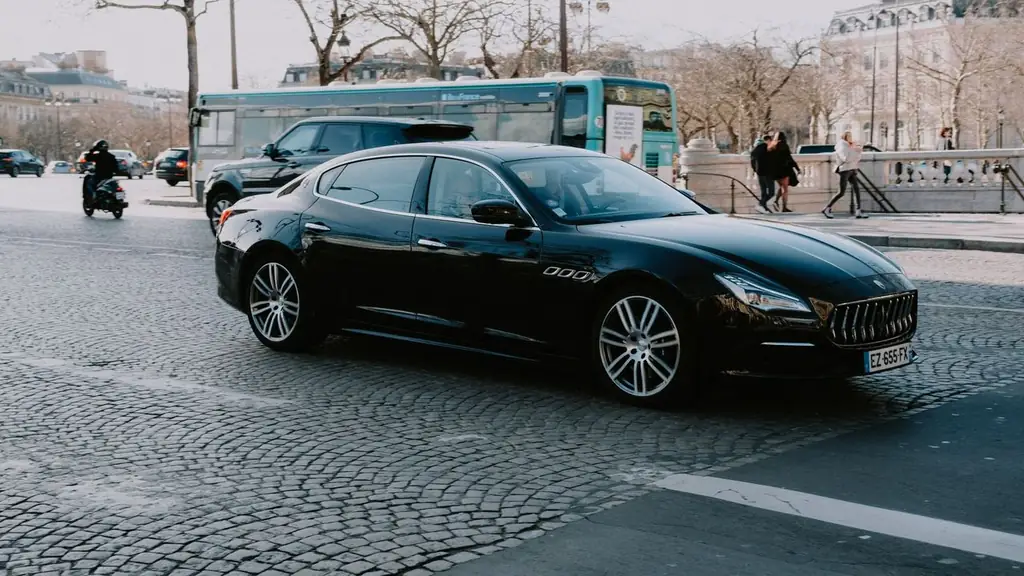
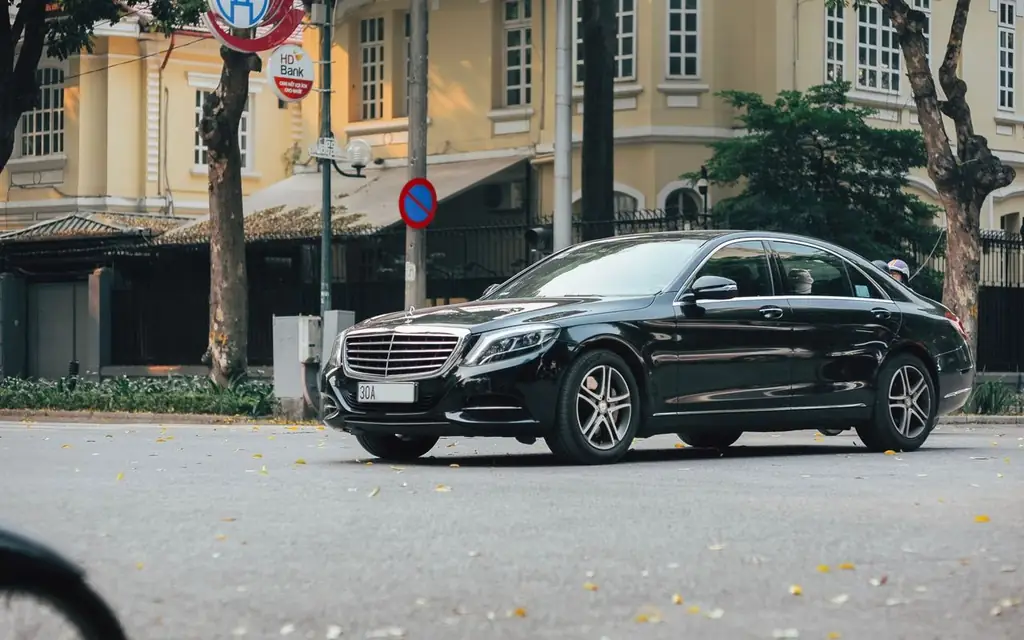
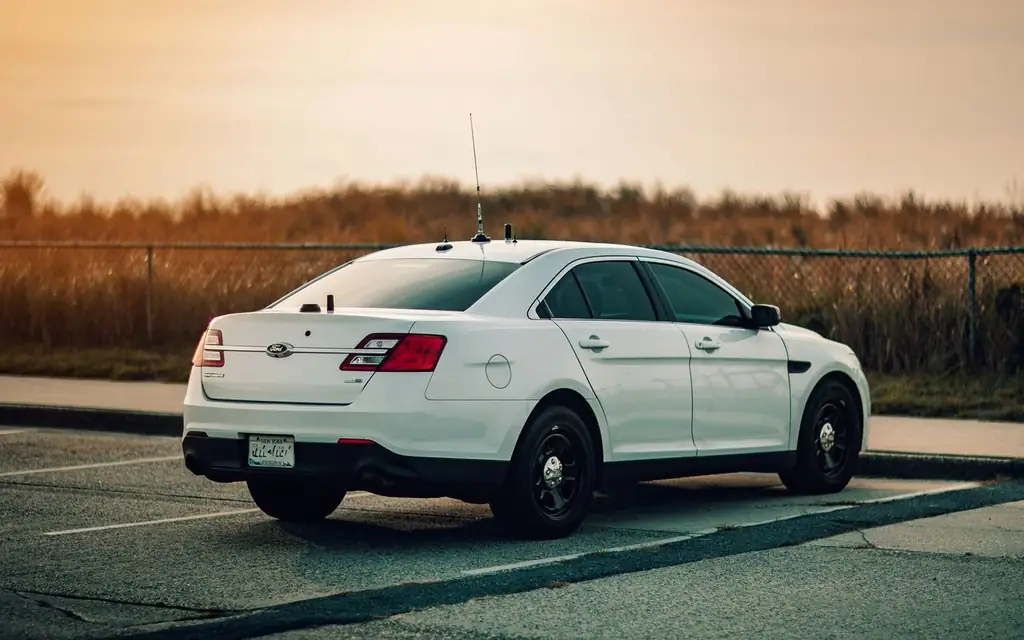
A black car is a chauffeured luxury sedan booked in advance, usually seating up to three passengers. An SUV car service uses a full-size SUV for up to six or seven passengers with more luggage room. A limousine is a stretched vehicle built for groups and occasions, where the cabin is part of the experience.
The terms overlap in everyday speech, so it helps to separate them.
Black car began as a trade term for prearranged, account-billed sedan service, as opposed to street-hail taxis. New York's Taxi and Limousine Commission still describes black car bases as licensed bases that dispatch all trips on a prearranged basis, with more than 90% of their business paid by means other than direct cash from passengers. Outside New York the phrase simply means a professional chauffeur in a dark luxury sedan, booked ahead.
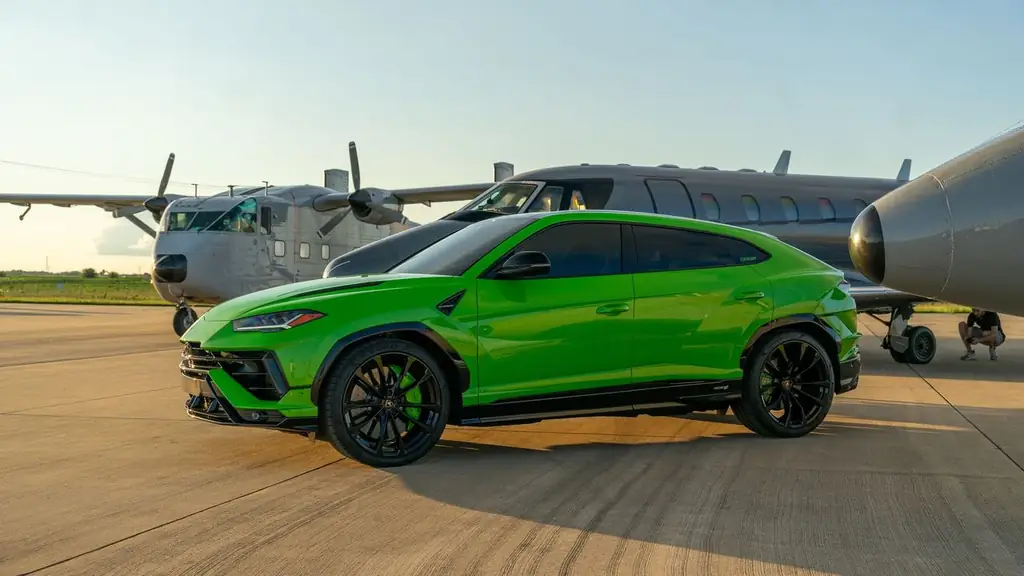
SUV car service uses a full-size luxury SUV, such as a Cadillac Escalade or similar, with the same chauffeur standard as a black car. It is the default for families, small executive teams and anyone with real luggage.
Limousine is the broadest word. In the trade it covers both the classic stretch (a sedan or SUV lengthened by a coachbuilder) and, loosely, any chauffeured luxury vehicle. The TLC's passenger guidance groups liveries, black cars and luxury limousines together as for-hire vehicles that accept only prearranged trips.
Limo vs black car vs SUV: side-by-side comparison

| Luxury sedan (black car) | Full-size SUV | Stretch limousine | |
|---|---|---|---|
| Typical passengers | 1 to 3 | 4 to 6 (up to 7) | 8 to 14, depending on build |
| Luggage | Limited trunk | Generous, especially long-wheelbase | Often small for its size |
| Best for | Airport runs, meetings, roadshows | Families, teams, ski and golf trips | Weddings, proms, celebrations |
| Ride and entry | Low, smooth, discreet | High seating, easy for luggage, step in | Side bench seating, step down |
| Maneuverability | Best in old city centers | Good, larger turning circle | Poor in tight streets and garages |
| Visibility | Low-key | Moderate | High; draws attention |
| Typical booking | Transfer or hourly | Transfer or hourly | Usually hourly, minimum hours |
Two numbers explain most of the table. Mercedes-Benz USA lists the current S-Class sedan with a passenger capacity of five and a cargo capacity of 12.5 cubic feet. Cadillac's Escalade specifications list seating for up to eight, 25.5 cubic feet of cargo space behind the third row and 72.9 cubic feet behind the second row, with the long-wheelbase ESV rising to 41.5 and 94.1 cubic feet. In other words, a full-size SUV with its third row folded carries roughly six times the luggage volume of a flagship sedan trunk.
How many bags fit? A practical planning guide
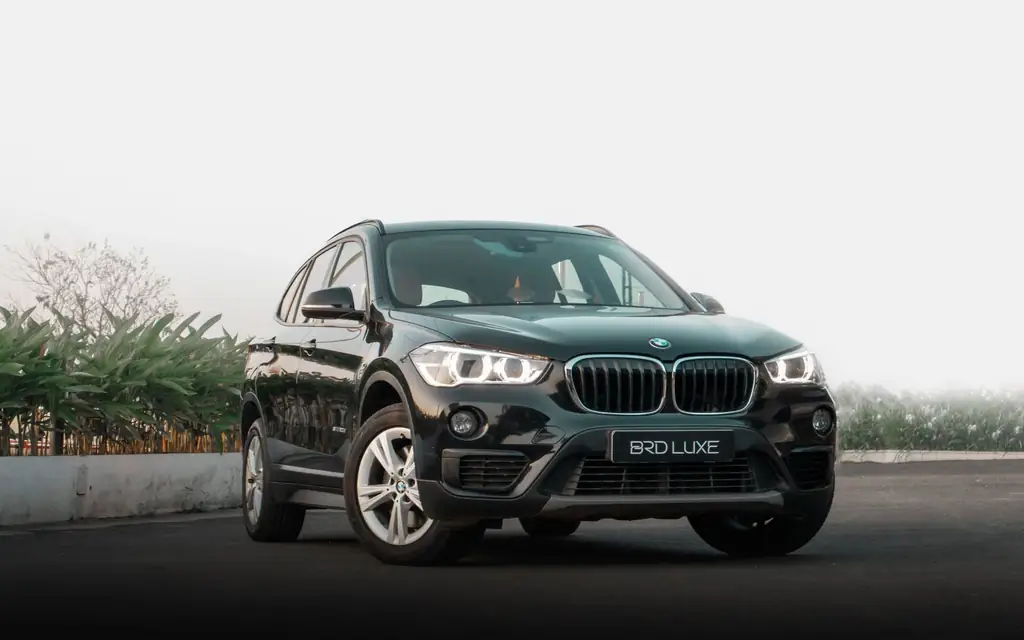
Manufacturers publish cubic feet, not suitcases, and bag sizes vary widely. The guide below is the rule of thumb our desk uses when matching vehicles to bookings. Treat it as a starting point and tell us the actual bag count when you book.
| Vehicle | Passengers | Large checked bags | Carry-ons |
|---|---|---|---|
| Luxury sedan | 1 to 2 | 2 | 2 |
| Luxury sedan | 3 | 1 to 2 | 1 to 2 |
| Full-size SUV, third row in use | 5 to 6 | 2 to 3 | 2 to 3 |
| Full-size SUV, third row folded | 3 to 4 | 5 to 6 | 3 to 4 |
| Long-wheelbase SUV | 5 to 6 | 4 to 6 | 4 to 6 |
| Executive van (Sprinter class) | 8 to 12 | About one per person | Varies by seating layout |
| Stretch limousine | 8 to 10 | Very limited | A few small bags |
The stretch limousine row surprises people. A long cabin does not mean a large trunk; much of the length goes to seating, bars and lighting. For a group heading to the airport with luggage, a Sprinter van with driver or two SUVs almost always works better than a stretch.
Ski bags, golf bags and pushchairs change the math entirely. They are long rather than bulky, and they often need the third row folded. Mention them at booking so the right vehicle is assigned.
When a black car service is the right choice
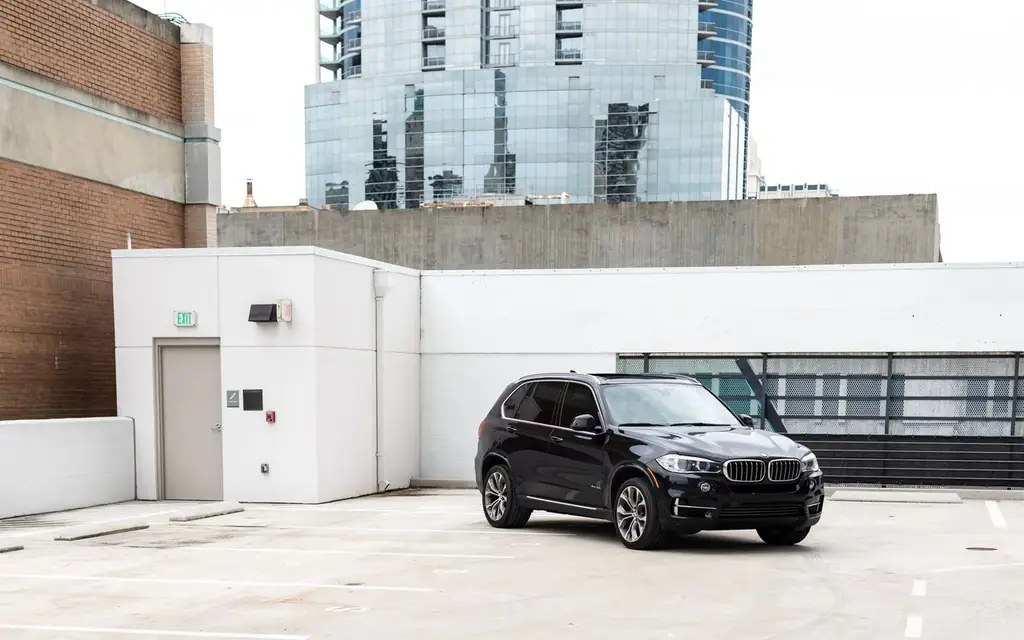
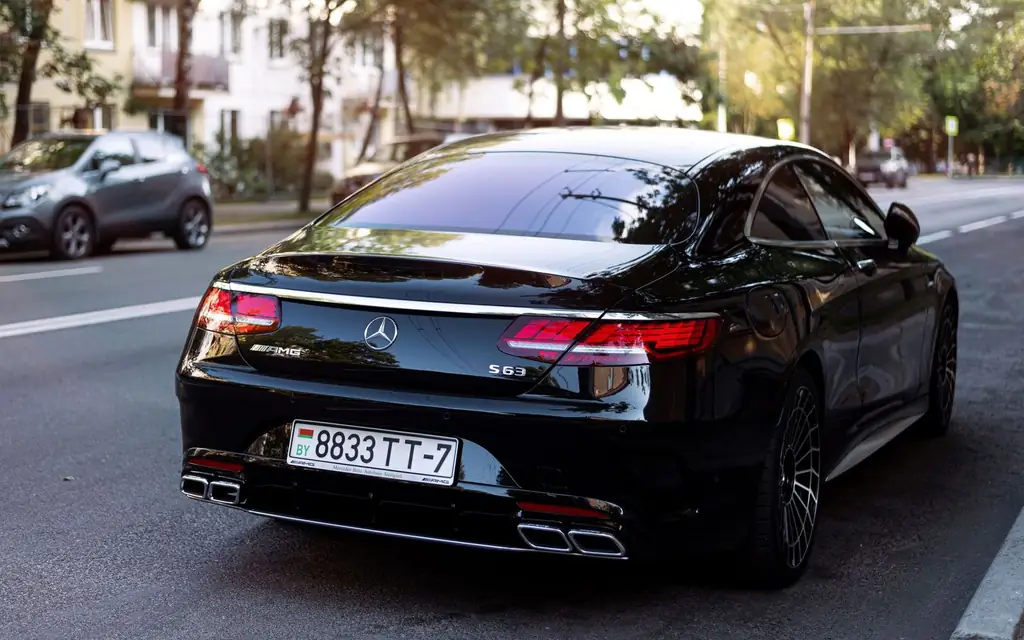
A black car service suits one to three travelers with normal luggage, especially in dense cities. Sedans fit into hotel forecourts and narrow streets that full-size SUVs struggle with, they ride smoothly, and they arrive without fuss.
Typical good fits:
- A solo executive from JFK to Midtown Manhattan, about 24 km (15 mi) and 45 to 90 minutes depending on traffic, with a roll-aboard and a briefcase. Our JFK airport page lists other routes.
- A day of meetings in London, where a sedan handles Mayfair streets and underground car parks more easily. See the London chauffeur service.
- A financial roadshow with two people moving between six meetings, where the car is booked by the hour.
For corporate accounts, sedans are usually the default category, with SUVs specified for larger teams. Our corporate car service page explains account billing.
Need a car for this trip? Price it here; the fare is confirmed before you pay.
When an SUV car service is worth it
An SUV car service is usually priced above a sedan, but it often replaces two sedans, which makes it cheaper per person. Book an SUV when:
- Three or more adults travel together, or two with substantial luggage.
- A family travels with children, car seats or a pushchair.
- You are arriving at a private jet terminal with a full hold. From Teterboro to Midtown Manhattan is about 19 km (12 mi) and 25 to 35 minutes off-peak, 45 to 90 minutes at rush hour, according to our Teterboro FBO guide.
- The weather or road is poor. In snowy markets, ask for a four-wheel-drive SUV for winter trips and mountain roads.
- Privacy matters. A higher seating position and rear privacy glass keep passengers out of view at street level.
If you are deciding between a flagship sedan and a large SUV for an executive, our detailed comparison of the S-Class vs Escalade covers rear legroom, entry height and regional preferences.
When a stretch limousine makes sense, and when it does not
A limousine service earns its place when the ride is part of the event. Weddings, milestone birthdays and proms are the classic cases, because the group wants to arrive together and the vehicle is part of the photographs. For a full wedding plan, including guest shuttles, see our guide to high-profile wedding transportation and the wedding limo service.
Stretch limousines are a poor choice for:
- Airport transfers with luggage. The trunk is small and the side-bench layout is awkward with bags.
- Old city centers. Long wheelbases cannot turn into narrow lanes or hotel garages.
- Business travel. The visibility works against discretion, and a team cannot work comfortably facing sideways.
There is also a safety point worth knowing. A stretch limousine is a modified vehicle, and modification quality varies. The US National Transportation Safety Board's investigation of the 2018 Schoharie, New York crash involved a stretched 2001 Ford Excursion; the board found the probable cause was the operator's egregious disregard for safety in dispatching a limousine that was under an out-of-service order, leading to brake failure on a steep descent. The lesson is not to avoid limousines, but to book them only from properly licensed, insured and inspected operators. Our guide on how to choose a limo company lists the checks.
Insurance and licensing differ by vehicle size
Bigger vehicles sit in different regulatory categories. In the United States, the federal schedule at 49 CFR 387.33 sets minimum liability insurance for interstate for-hire passenger carriers at $1,500,000 for vehicles seating 15 or fewer including the driver, and $5,000,000 for 16 or more. Cities and states add their own licensing for local trips. A sedan, an SUV and a 14-passenger stretch can all be legal, but each operator should be able to show the right paperwork for the vehicle you are actually getting.
Every car booked through LimousineWorldwideDirectory.com comes from a vetted, licensed and commercially insured local operator in our directory, and the fleet page shows the vehicle classes we book worldwide.
A quick decision guide
- One or two travelers, light bags, city center: luxury sedan.
- Three or more adults, or any family with luggage: full-size SUV.
- Five or six people plus golf, ski or excess bags: long-wheelbase SUV, or two vehicles.
- Seven to twelve people with luggage: executive van.
- A celebration where the ride itself matters: stretch limousine, booked by the hour.
- Privacy-sensitive arrival: SUV with privacy glass, or a sedan if low profile matters more than seating height.
Mixed fleets are often the smartest answer for groups. A family of six flying home after a week away might take one SUV for people and a second vehicle for luggage, rather than squeezing everyone into a van. A small leadership team arriving for an offsite might use a sedan for the chief executive, who needs to take calls in private, and an SUV for colleagues and equipment. An evening celebration might pair a stretch limousine for the outbound trip with SUVs for the staggered ride home, since guests rarely leave at the same time. Splitting a booking also adds resilience: if one flight is delayed, only part of the group waits. The desk can coordinate several vehicles on one confirmation and one invoice, with each car matched to its own passengers' flight details.
If two categories seem close, choose the larger vehicle for airport runs and the smaller one for city days. Luggage is the most common reason a booking has to be upgraded at the curb. You can compare categories and prices for your exact route on the online booker, or see how airport pickups work on our airport car service page.
Sources
- NYC Taxi and Limousine Commission: Black car bases
- NYC Taxi and Limousine Commission: Your ride
- Mercedes-Benz USA: S 580 4MATIC Sedan
- Cadillac: Escalade and Escalade ESV specifications
- National Transportation Safety Board: Schoharie, New York investigation HWY19MH001
- eCFR: 49 CFR 387.33, financial responsibility minimum levels
Frequently asked questions
Is a black car the same as a limo?
Not exactly. A black car is a prearranged luxury sedan with a professional chauffeur, usually for one to three passengers. "Limo" is used loosely for any chauffeured luxury vehicle, but strictly it means a stretched vehicle built for groups. Most business and airport trips use black cars or SUVs, while stretch limousines are mainly booked for celebrations.
How many passengers fit in a black car SUV?
A full-size luxury SUV typically carries four to six passengers comfortably, with a seventh possible when the third row is fully used. Luggage is the limit: with every seat taken, there is room for only a few bags. For six people with suitcases, book a long-wheelbase SUV or an executive van instead.
Is an SUV more expensive than a sedan?
Usually yes, per vehicle, but often not per person. One SUV can replace two sedans for a family or a small team, and it avoids splitting the group. The online booker shows the exact fare for each vehicle class on your route before you confirm, so you can compare directly.
Can a stretch limousine do an airport pickup?
It can, but it is rarely the best tool. Stretch limousines have small trunks and side-facing seats, and a long vehicle is awkward in crowded airport curb lanes and garages. For an airport run with luggage, an SUV or executive van is more practical. If the group wants a limousine for the celebration, book it for the evening and use SUVs for the airport.
Which vehicle is best for privacy?
A luxury SUV with rear privacy glass is usually the most private, because passengers sit higher and are harder to see from the street. A dark sedan is the most understated arrival. A stretch limousine attracts the most attention. For high-profile passengers, the chauffeur's discretion and the pickup plan matter as much as the vehicle.
Do I need to tell the operator about my luggage?
Yes. Bag count is the most common reason a booking needs a larger vehicle at the curb. Mention checked bags, carry-ons and anything long, such as skis, golf bags or a pushchair, when you book, so the desk assigns a vehicle that fits everything on the first attempt.
Plan the rest of the trip
 Booking WorldwideOnline travel agency · our travel desk partner
Your chauffeur is booked here. Book the rest of the trip in one place: hotels, flights, resorts, activities, packages and car rentals in every country.
Plan your trip