 United StatesJFK
 MexicoMEX
 BrazilGRU
 ArgentinaEZE
 ChileSCL
 ColombiaBOG
 PeruLIM
 PanamaPTY
 Costa RicaSJO
 Dominican RepublicPUJ
 JamaicaMBJ
 BahamasNAS
 BarbadosBGI
 United KingdomLHR
 IrelandDUB
 FranceCDG
 GermanyFRA
 NetherlandsAMS
 BelgiumBRU
 SwitzerlandZRH
 AustriaVIE
 ItalyFCO
 SpainMAD
 PortugalLIS
 GreeceATH
 TurkeyIST
 DenmarkCPH
 SwedenARN
 NorwayOSL
 FinlandHEL
 PolandWAW
 Czech RepublicPRG
 HungaryBUD
 IcelandKEF
 United Arab EmiratesDXB
 QatarDOH
 Saudi ArabiaRUH
 IsraelTLV
 EgyptCAI
 MoroccoCMN
 South AfricaJNB
 KenyaNBO
 NigeriaLOS
 IndiaDEL
 PakistanLHE
 Sri LankaCMB
 SingaporeSIN
 MalaysiaKUL
 ThailandBKK
 VietnamSGN
 PhilippinesMNL
 IndonesiaCGK
 Hong KongHKG
 ChinaPVG
 TaiwanTPE
 JapanHND
 South KoreaICN
 AustraliaSYD
 New ZealandAKL
Private jet baggage works on a different logic from airline luggage. There is no per-bag fee, no 23 kg rule and no queue at a carousel. Instead, every aircraft has a baggage compartment of a fixed volume, a certified weight limit for that compartment, and an overall weight-and-balance calculation the crew must complete before departure. Your bags either fit inside those limits, or something stays behind.
The most common surprise on a first charter is not price or schedule. It is a group of six arriving with twelve hard-shell suitcases and two golf bags for a light jet. This guide gives you the numbers manufacturers publish, explains why weight matters as much as space, and shows how to match the car at each end to the luggage.
How much baggage can a private jet carry?
It depends on the aircraft. Manufacturers publish baggage volumes from under 50 cubic feet for light jets to around 195 cubic feet for the largest ultra-long-range jets, each with a weight limit. Soft bags pack better than hard cases. Give the operator an exact bag list before the quote is finalized.
The question is really three questions: does it fit through the door, does it fit in the hold, and does the total weight leave the aircraft within limits for the fuel it needs? A charter operator answers all three, but only if you tell it what you are bringing.
Baggage capacity by jet size: manufacturer figures
The figures below come from the manufacturers' own specification pages. They describe the aircraft as built; an individual aircraft's cabin layout, optional equipment and the operator's own procedures can change what is usable in practice. Our private jet sizes guide explains the categories themselves.
| Category | Example aircraft | Baggage volume | Baggage weight limit | Seating, as published |
|---|---|---|---|---|
| Light | Cessna Citation M2 Gen3 | 45.6 cu ft (1.29 m³) | 725 lb (329 kg) | Up to 7 occupants (Cessna figure) |
| Light | Cessna Citation CJ3 Gen3 | 65 cu ft (1.84 m³) | 1,000 lb (454 kg) | Up to 9 occupants (Cessna figure) |
| Midsize | Cessna Citation Latitude | 127 cu ft (3.60 m³) | 1,245 lb (565 kg) | Up to 9 occupants (Cessna figure) |
| Super-midsize | Bombardier Challenger 3500 | 106 cu ft (3 m³) | Not stated on the page | Up to 10 passengers |
| Large | Bombardier Challenger 650 | 115 cu ft (3.2 m³) | Not stated on the page | Up to 12 passengers |
| Ultra-long-range | Gulfstream G700 | 195 cu ft | Not stated on the page | Up to 19 passengers, depending on layout |
Three patterns stand out. First, volume does not rise neatly with category: the midsize Latitude lists more baggage volume than the larger Challenger 3500 and Challenger 650. Cessna says the Latitude's external compartment alone takes up to 1,000 pounds and 100 cubic feet. Second, seat count and baggage do not scale together. A large jet with twelve seats has roughly twice the baggage volume of a light jet with a fraction of the seats, so a full cabin can still run out of hold space. Third, access differs. Bombardier says the Challenger 3500 and 650 compartments are accessible in flight, which matters if a client needs a bag during a long sector.
Weight matters as much as space
Even when bags fit, they may not fly. A jet's maximum takeoff weight has to cover the aircraft, crew, passengers, bags and fuel. On a long sector, more fuel means less room in the weight budget for everything else. On a short runway or a hot day, the limits tighten further.
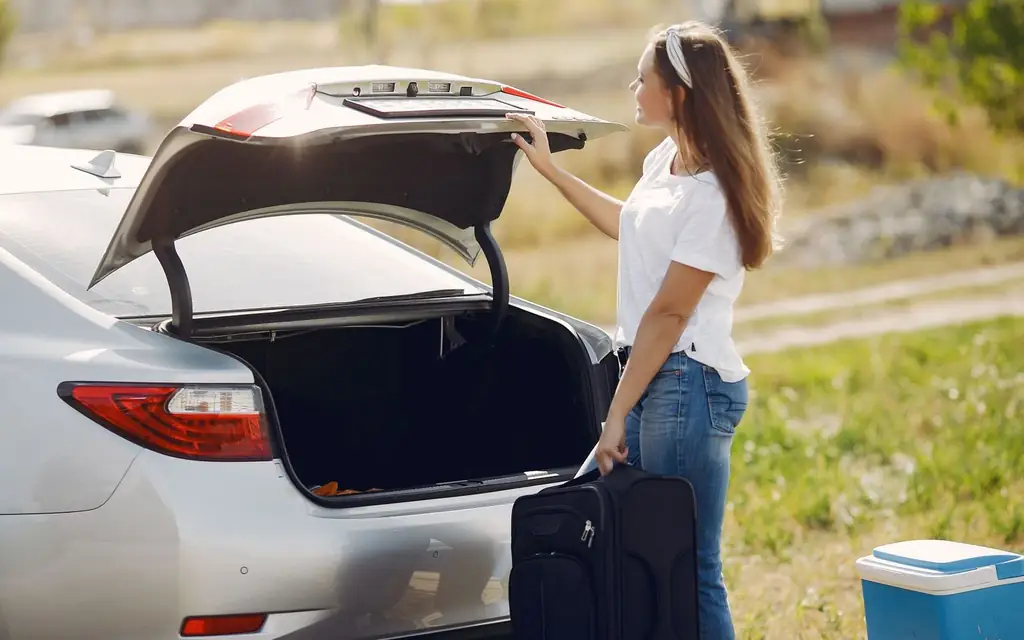
The Federal Aviation Administration's weight-and-balance guidance, Advisory Circular 120-27F, explains how operators account for passengers and bags. It allows standard average weights on larger aircraft and adds 5 pounds for summer clothing and 10 pounds for winter clothing to the passenger figures. For small-cabin aircraft, it says operators may request approval to use actual passenger and bag weights. That is why an operator may ask your clients for real weights, and why a set of ski boots and winter coats can change the calculation.
What this means for planning:
- Long legs and full cabins are where baggage most often has to be trimmed.
- Hot, high or short-runway airports reduce what can be carried.
- Honest numbers help. An exact bag list lets the operator plan fuel, and may avoid a fuel stop.
If the calculation is tight, the options are a larger aircraft, a fuel stop, or sending some luggage ahead by courier or a long-distance car service.
Soft bags versus hard cases
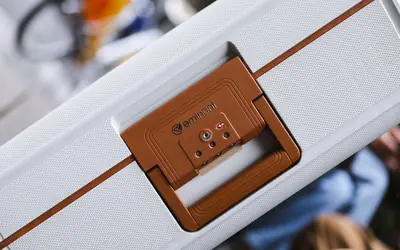
Hard-shell suitcases are rigid rectangles that leave dead space in a curved baggage hold and cannot be squeezed past a frame or into a corner. Soft bags compress to the space available, so the same volume of clothing often fits where hard cases would not.
Practical advice for private jet luggage capacity:
- Prefer soft duffels and garment bags for anything that is not fragile.
- Keep one small cabin bag per person for medication, documents, electronics and a change of clothes.
- Pack spare batteries in the cabin. The FAA's PackSafe guidance on lithium batteries says spare lithium batteries and power banks must travel in carry-on baggage, with lithium-ion batteries limited to 100 watt-hours each; up to two larger spares, 101 to 160 Wh, may be carried with approval. Ask the operator how its own rules apply.
- Declare anything unusual, such as firearms for a hunting trip, scuba tanks or large medical equipment, at the quote stage, not at the FBO.
- Pets change the weight and the cabin plan; see our guide to flying with pets on a private jet.
Golf bags, skis and other sports equipment
Golf bags on a private jet are a frequent request and a frequent problem. The length of a golf travel case and the size of the baggage door matter more than total volume, and on smaller jets the compartment may take only a few bags. The same applies to skis, snowboards and bike boxes.
How to handle it:
- Tell the operator the exact count and type: "four golf bags in soft travel covers" is better than "golf equipment".
- Ask whether long items fit through the door, not just the hold.
- Consider shipping clubs or skis ahead to the hotel or chalet, especially on light jets with a full cabin.
- Size up the aircraft if the trip is about the sport. A midsize or super-midsize jet often gives a golf foursome the space a light jet cannot.
For ski trips, the ground leg is long as well as heavy. From Geneva's business aviation terminal, Chamonix is about 90 km (56 mi), 1 hour 15 minutes to 1 hour 45 minutes, and Courchevel or Méribel about 190 km (118 mi), 2 hours 30 minutes to 3 hours 30 minutes, with Saturday changeovers slower still. See our Geneva private aviation page and the ski resort private travel guide. For golf in Florida, our Palm Beach page covers the FBOs closest to the courses.
Need a car big enough for the bags? Price it here; the fare is confirmed before you pay.
Matching the car to the jet's luggage
A private jet passenger expects the car to take everything the aircraft carried. The mistake is booking a sedan for a party whose luggage filled a midsize jet's hold. Use the vehicle classes on our fleet page as a guide:
| Vehicle class | Passengers | Luggage | Good match for |
|---|---|---|---|
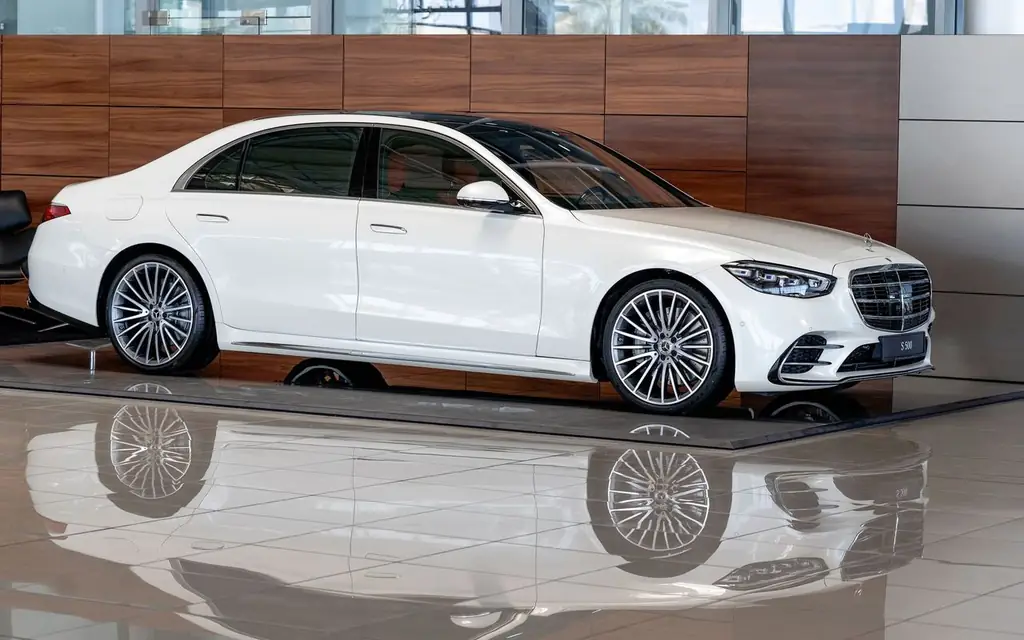
| Executive or First Class sedan | Up to 3 | 2 large and 2 cabin bags | One or two passengers off a light jet with soft bags |
| Luxury SUV | Up to 6 | 5 to 6 large bags | A family or foursome with golf or ski bags |
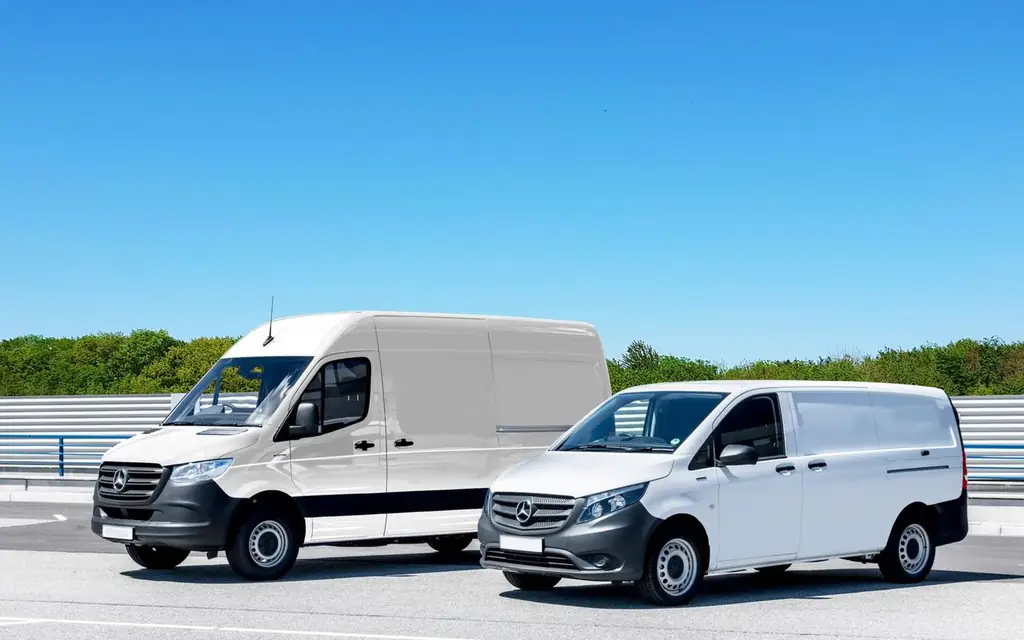
| Executive Sprinter | Up to 12 to 14 | 12 bags | A full midsize or large-jet cabin, or a group with sports gear |
| Sedan plus a separate van | Guests in the car, bags in the van | As needed | Heavy loads, or when guests should leave the FBO immediately |
Two cars often beat one. A principal leaves the FBO at once in a First Class sedan from our luxury chauffeur service, while a Sprinter van with driver loads the luggage and follows. For larger parties, our group charter guide explains how to split people and bags.
Example: a ski week from Geneva
A family of four flies a light jet into Geneva for a week in Chamonix. They bring four soft duffels, four cabin bags, two ski bags and two boot bags. On the aircraft, the ski bags are the issue: tell the operator their length at the quote stage, because the door may matter more than the volume. On the ground, a sedan is out of the question. A Luxury SUV takes the family and most of the load, but with boots, helmets and shopping on the return, a Sprinter gives everyone room and keeps wet gear away from the cabin. The drive is about 90 km (56 mi), 1 hour 15 minutes to 1 hour 45 minutes, and slower on Saturday changeover days, so book the car with the tail number and the scheduled arrival, and let the chauffeur track the flight. If the family plans day trips to other resorts, an hourly booking for those days avoids repacking the car each morning.
Example: a Los Angeles arrival
Four guests land at Van Nuys on a midsize jet with four large soft bags, four cabin bags and two golf bags. A Luxury SUV takes the party and the luggage together. Beverly Hills is about 20 km (12 to 13 mi) away, 25 to 45 minutes and longer at rush hour, and Santa Monica about 24 km (15 mi), 30 to 55 minutes. Our Van Nuys page shows where the car meets the aircraft.
Five baggage mistakes on a first charter
Most baggage problems are planning problems that show up on the ramp. These are the ones that recur:
- Counting passengers, not bags. A quote built for "six passengers" assumes a normal load. Six passengers with fourteen bags may need a different aircraft, so give the bag count with the passenger count.
- Assuming the hold is as big as the cabin. Generous seating does not mean generous baggage space; the table above shows how the two diverge.
- Bringing hard cases for a light jet. Rigid suitcases waste space in a curved hold. Repack into soft bags or move up a size.
- Adding passengers late. Every extra person adds weight and bags. On a long leg, a late addition can mean a fuel stop.
- Forgetting the return. Shopping, wine and gifts make the homeward load heavier. Tell the operator if the return leg will carry more than the outbound.
The fix for all five is the same: a complete passenger and bag list sent with the charter request, updated if anything changes. Our step-by-step booking guide shows where that list fits in the process, and our private jet charter desk will check it against the aircraft before you confirm.
What to tell the operator and the chauffeur
The same information serves both, and it should be sent once, early:
- Number of passengers, including children and infants.
- Number of bags by type: large, cabin, garment, golf, ski, other.
- Anything fragile, oversized, battery-powered or restricted.
- Whether any bag must be accessible in flight.
- Pets, with weight and carrier size.
The operator uses it for the weight-and-balance plan and to confirm the aircraft is suitable. The chauffeur uses it to choose the vehicle and to bring a second car if needed. Book the ground side through our private jet car service or the online booker, with the tail number and FBO in the notes. If your client wants to be met inside the FBO with a name board, add our meet and greet service.
Plans change: ground bookings are free to cancel with more than 72 hours' notice, then 10% inside 72 hours, 50% inside 48 hours, and 100% inside 24 hours or for a no-show.
Sources
- Cessna Citation M2 Gen3 specifications
- Cessna Citation CJ3 Gen3 specifications
- Cessna Citation Latitude specifications
- Bombardier Challenger 3500
- Bombardier Challenger 650
- Gulfstream G700
- FAA Advisory Circular 120-27F, Aircraft Weight and Balance Control (PDF)
- FAA PackSafe: Lithium batteries
Frequently asked questions
Is there a baggage limit on a private jet?
Yes, but it is set by the aircraft, not by a fare rule. Each jet has a baggage compartment of fixed volume and weight, and the crew must keep the whole aircraft within weight-and-balance limits. The operator confirms what your bags will allow once it knows the passenger and bag count.
How many suitcases fit in a light jet?
Fewer than most people expect. Cessna lists 45.6 cubic feet for the Citation M2 Gen3 and 65 cubic feet for the CJ3 Gen3. Soft bags fit better than hard cases, and long items like golf bags may be limited by the door. Send the exact list to the operator before booking.
Can I bring golf bags on a private jet?
Usually, but check the count and aircraft. On smaller jets a few golf bags can fill the hold. Use soft travel covers, tell the operator how many, and consider a larger aircraft or shipping clubs ahead if the cabin is full. Book an SUV or van to carry them from the FBO.
Why does the operator ask for passenger and bag weights?
Because the aircraft must stay within its certified weight and balance limits for the fuel the trip needs. FAA guidance lets operators of small-cabin aircraft use actual weights, and long legs, hot days or short runways tighten the margins. Accurate figures help the crew plan fuel and may avoid a stop.
What car should meet a private jet with a lot of luggage?
Match the car to the bags, not just the passengers. A sedan takes two large and two cabin bags, a Luxury SUV five or six large bags, and a Sprinter about twelve. For heavy loads, send guests in one car and luggage in a second vehicle. Our fleet page lists each class.
Plan the rest of the trip
 Booking WorldwideOnline travel agency · our travel desk partner
Your chauffeur is booked here. Book the rest of the trip in one place: hotels, flights, resorts, activities, packages and car rentals in every country.
Plan your trip