
 United StatesJFK
 MexicoMEX
 BrazilGRU
 ArgentinaEZE
 ChileSCL
 ColombiaBOG
 PeruLIM
 PanamaPTY
 Costa RicaSJO
 Dominican RepublicPUJ
 JamaicaMBJ
 BahamasNAS
 BarbadosBGI
 United KingdomLHR
 IrelandDUB
 FranceCDG
 GermanyFRA
 NetherlandsAMS
 BelgiumBRU
 SwitzerlandZRH
 AustriaVIE
 ItalyFCO
 SpainMAD
 PortugalLIS
 GreeceATH
 TurkeyIST
 DenmarkCPH
 SwedenARN
 NorwayOSL
 FinlandHEL
 PolandWAW
 Czech RepublicPRG
 HungaryBUD
 IcelandKEF
 United Arab EmiratesDXB
 QatarDOH
 Saudi ArabiaRUH
 IsraelTLV
 EgyptCAI
 MoroccoCMN
 South AfricaJNB
 KenyaNBO
 NigeriaLOS
 IndiaDEL
 PakistanLHE
 Sri LankaCMB
 SingaporeSIN
 MalaysiaKUL
 ThailandBKK
 VietnamSGN
 PhilippinesMNL
 IndonesiaCGK
 Hong KongHKG
 ChinaPVG
 TaiwanTPE
 JapanHND
 South KoreaICN
 AustraliaSYD
 New ZealandAKL
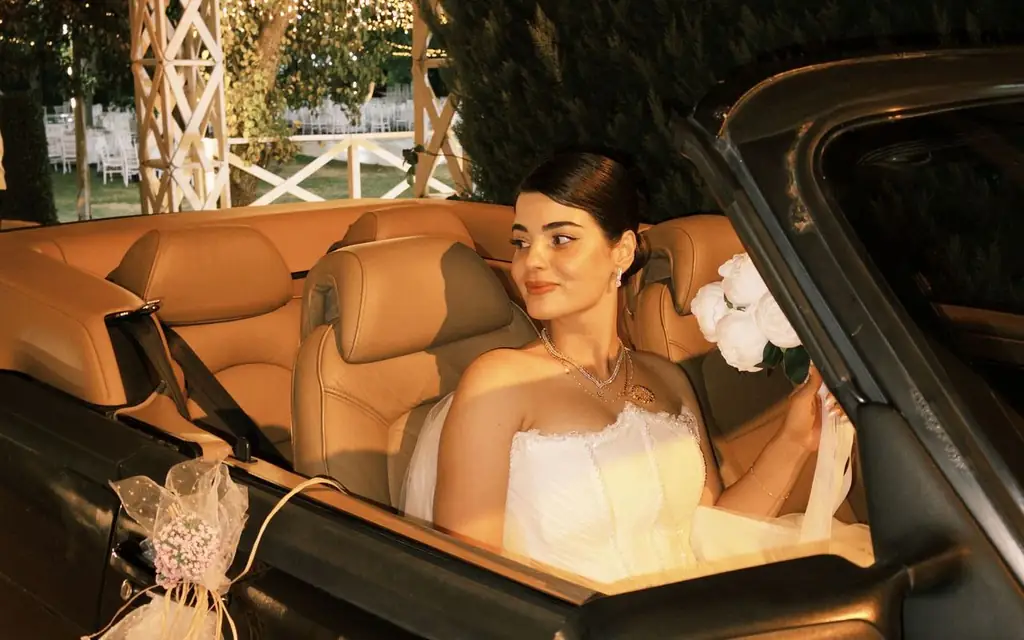
Celebrity wedding transportation is less about the car the couple leaves in and more about the hundred small movements around it. Guests arrive from three airports at different hours, a venue sits at the end of a narrow lane, photographers are expected outside the gate, and the family wants an elderly grandmother seated before the music starts. Every one of those problems is solved, or made worse, by how the ground transport is planned.
This guide is for planners, family offices and private assistants organizing a wedding where privacy matters, whether the couple is famous or simply wants the event kept off social media. It covers the fleet mix, guest shuttles, staging, phone policies, timing and paperwork. Good wedding transport is invisible, and that is the point.
What does celebrity wedding transportation actually involve?
It is a coordinated plan that moves the couple, family and every guest between airports, hotels, the ceremony and the reception on a fixed timeline, using a mix of sedans, SUVs and shuttles, controlled pickup points, a single dispatch contact and written privacy rules for every driver.
Think of it as three separate operations that share one schedule. The first is the principal movement: the couple, the wedding party and close family, usually in chauffeured SUVs or sedans with experienced drivers who know the run of show. The second is the guest movement: dozens or hundreds of people shuttled between hotels and venues in vans and coaches. The third is the support movement: planners, hair and makeup teams, musicians, security and photographers, who often need to arrive two or three hours before anyone else.
Most problems happen where the three overlap: a guest coach arriving early can block the lane the bridal car needs. So the first planning job is a single master timeline, owned by one person, that every operator works from.
Building the fleet: who rides in what
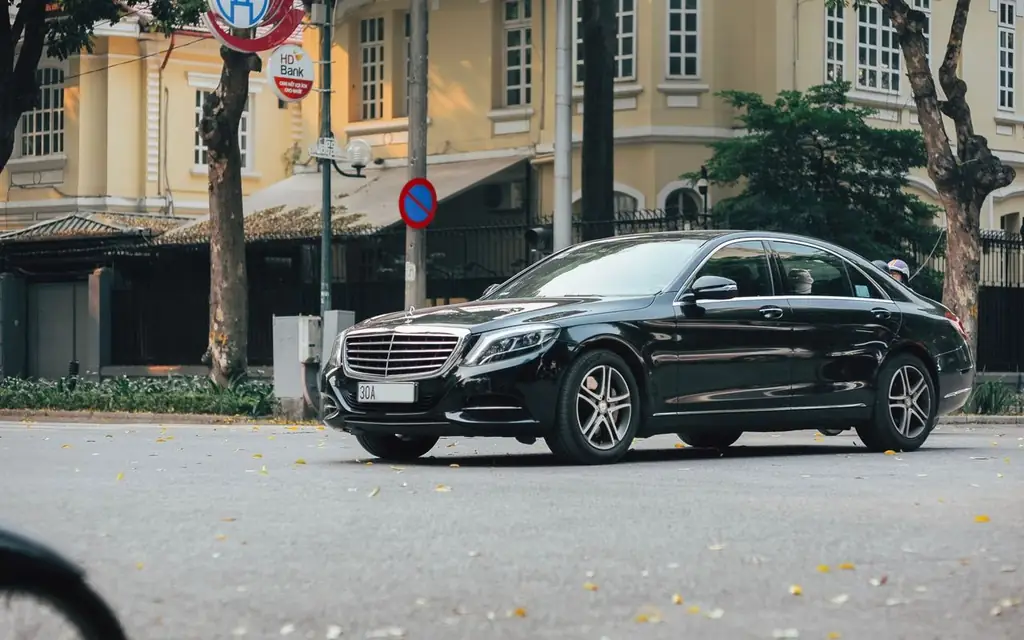
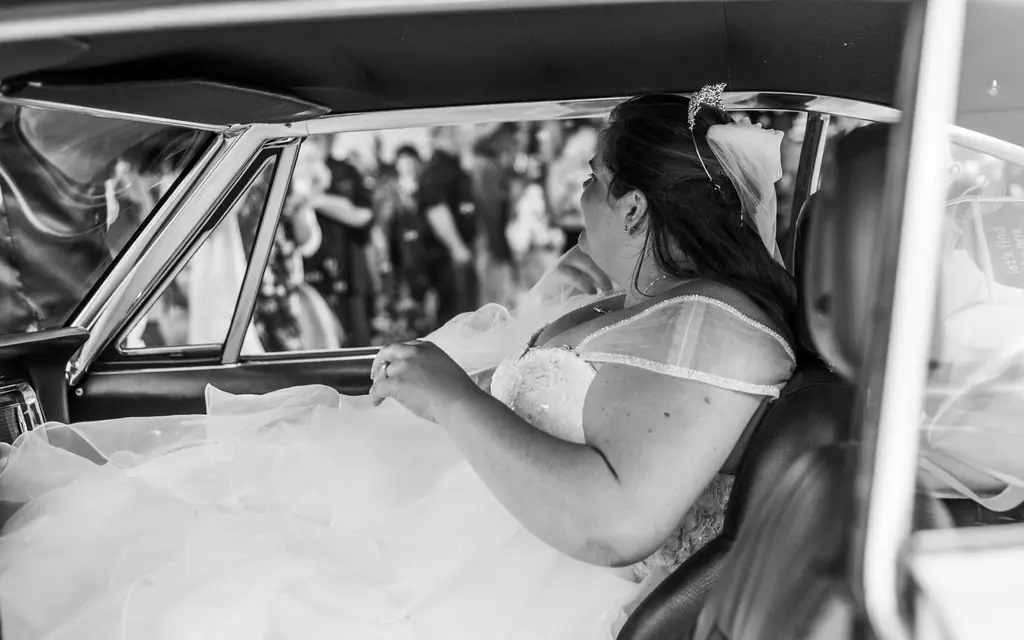
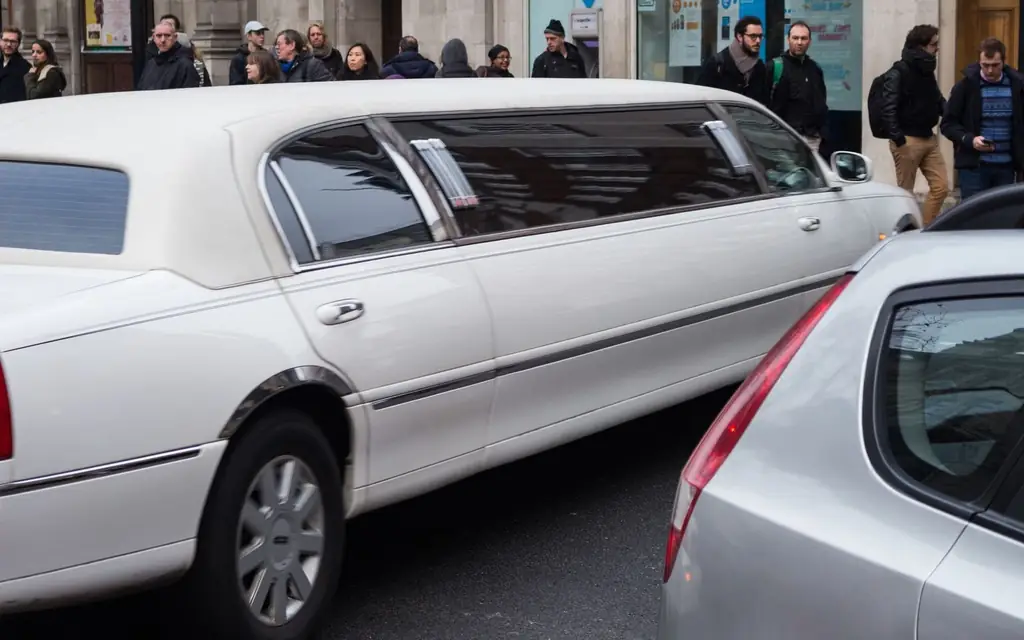
Fleet choice follows group size, privacy needs and the road to the venue, not the brochure. A rural vineyard with a gravel drive and a tight turning circle may suit a large SUV far better than a stretch limousine. A city hotel ballroom with a covered porte-cochère suits almost anything.
| Group | Typical vehicle | Why it works | Watch for |
|---|---|---|---|
| Couple (getaway) | Luxury sedan or SUV | Privacy glass, easy entry in formal wear | Dress length and train; door height |
| Wedding party | Large SUV or executive van | Keeps the group together on the timeline | Bouquets, boutonnieres, garment bags |
| Close family | Chauffeured SUVs | Door-to-door, flexible timing | Mobility needs, wheelchair storage |
| Guests | Executive vans and coaches | Moves volume on a loop | Insurance tier, driver hours, parking |
| Vendors and crew | Vans or own vehicles with permits | Early arrival, gear space | Separate entrance and parking |
Cadillac's published specifications for the current Escalade give a sense of why large SUVs dominate wedding party work: the standard model seats up to eight, with 41.7 inches of second-row legroom, and the long-wheelbase ESV offers 41.5 cubic feet of cargo space behind the third row against 25.5 in the standard model. In practice a chauffeured SUV carries fewer people than its seat count, because gowns, garment bags and floral boxes take space. Plan on four to five adults in formal wear, not eight.
For larger guest groups, a Sprinter van with driver is the usual middle step between SUVs and full coaches, and you can see the vehicle classes the desk books on the fleet page. If you are still weighing car types for the couple and family, our comparison of a limo vs black car vs SUV explains the trade-offs in more detail.
Designing the wedding guest shuttle
A wedding guest shuttle is a timetable problem. Guests rarely arrive all at once, and they never leave all at once. The two shuttle models planners use are the loop and the wave.
A loop runs continuously between hotels and the venue for a set window, for example every 20 minutes from 3:30 to 5:00 p.m. It is forgiving, because a guest who misses one vehicle waits a few minutes for the next. A wave sends the whole fleet at fixed times. It uses fewer vehicle hours but punishes late guests.
For the ceremony, most planners use waves so that everyone is seated at the right time. For the end of the night, loops work better, because older guests leave early and the dance floor empties slowly. A typical late-night plan runs a first departure an hour before the official end, then a loop until the last guest is back at the hotel.
Practical rules that keep a shuttle running:
- Put a printed shuttle schedule in every hotel welcome bag and on the wedding website, with the pickup point described precisely ("the side entrance on the north driveway, not the main lobby").
- Give each vehicle a sign or number guests can recognize, and a host at each hotel pickup during peak waves.
- Keep one vehicle in reserve at the venue for guests who need to leave early or feel unwell.
- Set a last-departure time and say it clearly in the program.
If the guest list includes people flying in privately, the airport legs are a separate operation. Arrivals into an FBO such as Van Nuys are normally handled by a planeside or curbside car through our private jet car service, not by the guest shuttle.
Need cars for the couple or family on the wedding weekend? Price them here; the fare is confirmed before you pay.
Privacy: phones-off policies, codenames and staging
Privacy at a high-profile wedding depends on controlling three things: information, sightlines and devices. Transport touches all three.
Information. Keep the venue address out of general booking notes until it is needed. Many planners give guests a hotel pickup point only, and the drivers receive the final address in their briefing. Event codenames on manifests and name boards are common; if you want to go further into aliases and paperwork, read our guide to discreet travel and NDAs with a chauffeur.
Sightlines. A staging area is the single most useful privacy tool. It is a holding point out of public view, perhaps a service yard, a closed parking area or a second property nearby, where vehicles wait, guests transfer and the timeline is controlled. Photographers stationed outside the main gate see shuttle vans arrive, not faces. The couple's car can then use a separate entrance.
Devices. A "phones-off" or "unplugged" ceremony is enforced at the venue door, but transport is where it begins. Some planners collect phones into sealed pouches at the staging area. Drivers themselves should be covered by a written no-photos, no-posting rule, and that rule should apply to the dispatcher and the operator's office too. Our VIP and celebrity chauffeur service is built around exactly these briefings.
Drones are a newer privacy issue. If the couple hires an aerial videographer, that operator flies under federal rules. The FAA's guidance on operations over people explains that a remote pilot must use a safety risk-based approach so the drone does not operate over non-participants who are not under a covered structure or in a stationary covered vehicle. Ask your videographer how they plan to comply before the day; it also helps to know who is supposed to be in the air above the venue.
Timing the day: buffers, waiting and the run of show
Weddings run late: hair and makeup overrun, receiving lines run long and golden-hour photographs stretch past their slot. A plan with no buffer will fail.
Build buffers in three places. First, between hotel pickup and ceremony start: allow the drive time plus at least 20 to 30 minutes. Second, between ceremony and reception if the venues differ, because guests linger. Third, at the end of the night, where a late cake cutting can push every departure back.
Book cars for the bridal party and family by the hour rather than as single transfers. An hourly chauffeur service keeps the same driver and vehicle with the group all day, which means no new driver needs briefing at 4 p.m. and nobody waits for a car to come back from another job. For destination weddings that start at a major airport, our standard free waiting time applies to arrival pickups: 60 minutes after international landings, 30 minutes after domestic ones and 15 minutes for other pickups.
A realistic airport leg helps guests plan. From Los Angeles International to Beverly Hills is about 22 km (14 mi) and takes 30 to 70 minutes depending on traffic; our LAX airport page lists other common runs. On the Riviera, guests landing at the business aviation terminal in Nice are often met under our Nice Côte d'Azur FBO guide and driven on by the Nice and Monaco chauffeur service.
Rules that keep shuttles legal and safe
Wedding transport is commercial passenger transport, and it is regulated like any other. A planner does not need to become a compliance expert, but should know enough to ask the right questions.
In the United States, interstate for-hire passenger carriers must hold minimum liability insurance set by federal rule. The schedule at 49 CFR 387.33 lists $1,500,000 for vehicles seating 15 passengers or fewer including the driver, and $5,000,000 for vehicles seating 16 or more. States add their own requirements for local trips, so ask each operator for its certificate of insurance and authority before you sign.
Driver hours matter on a 14-hour wedding day. Federal hours-of-service rules for drivers of passenger-carrying commercial motor vehicles, set out in 49 CFR 395.5, limit driving to 10 hours after 8 consecutive hours off duty, and prohibit driving after 15 hours on duty. A coach that brings guests at 2 p.m. may need a fresh driver to take them home at 1 a.m. Ask the operator how the shift will be covered.
Local rules apply too. In New York City, the Taxi and Limousine Commission explains on its passenger information page that for-hire vehicles, including black cars and luxury limousines, accept only prearranged trips, and their plates typically begin with "T" and end with "C". That is a quick visual check for anyone directing guests at a Manhattan venue.
Cancellations, changes and contracts
Wedding plans change. Put every change in writing and confirm the revised vehicle count, times and addresses with a single contact.
For ground bookings made through LimousineWorldwideDirectory.com, the standard cancellation terms are simple. Cancel more than 72 hours before pickup and there is no charge. Inside 72 hours the fee is 10%, inside 48 hours it is 50%, and inside 24 hours or for a no-show it is 100%. Build your final-numbers deadline around those windows; most planners lock vehicle counts five to seven days out and leave one spare car on the plan.
The wider service model is explained on why book with us: each trip is delivered by a vetted, licensed and commercially insured local operator from our worldwide directory, and booked, confirmed and invoiced by one desk.
A planning checklist for the transport lead
- Fix the master timeline and name one transport lead who owns it.
- Count passengers by group: principals, wedding party, family, guests, vendors.
- Choose vehicles by group size, luggage and venue access, not by seat count.
- Choose a staging area out of public view and a separate entrance for the couple.
- Write the privacy rules: codenames, no photos, device policy, address release timing.
- Collect insurance certificates and operating authority from every operator.
- Check driver shift coverage for long days.
- Publish guest shuttle times and pickup points; place hosts at hotel pickups.
- Keep one reserve car at the venue and one at the main hotel.
- Confirm everything 72 hours out, before the cancellation window starts to cost money.
If you are coordinating a wider event around the wedding, our event transportation team handles multi-day movements, and luxury wedding transportation can be priced car by car on the booker or arranged through the desk on (877) 860-3388.
Sources
- Cadillac: Escalade and Escalade ESV specifications
- Federal Aviation Administration: Operations Over People general overview
- eCFR: 49 CFR 387.33, financial responsibility minimum levels
- eCFR: 49 CFR 395.5, maximum driving time for passenger-carrying vehicles
- NYC Taxi and Limousine Commission: Your ride
Frequently asked questions
How many cars does a high-profile wedding need?
Count by group, not by headcount. A typical plan uses one or two cars for the couple, one large SUV or van per six to eight people in the wedding party, a few SUVs for close family and shuttles for guests. Add one reserve vehicle at the venue and one at the main hotel. Seat count overstates real capacity in formal wear, so plan on four to five adults per SUV.
Should guests drive themselves to a private wedding?
For a privacy-sensitive event, shuttles are usually better. They keep the venue address out of navigation apps and social posts, avoid a long line of parked cars that signals an event to passersby, and remove drink-driving risk at the end of the night. Guests with mobility needs or early departures can be given dedicated cars instead of the shuttle loop.
What is a staging area and why does it matter?
A staging area is a holding point out of public view, such as a service yard or nearby private property, where vehicles wait and guests transfer before the final drive to the venue. It controls timing, keeps photographers from seeing faces at the main gate and lets the couple's car use a separate entrance without crossing guest traffic.
Can chauffeurs sign a non-disclosure agreement for a wedding?
Yes. Many high-profile weddings ask drivers, dispatchers and the operator's office to sign NDAs or agree to written no-photos, no-posting rules. Ask for this when you book, so the operator can assign drivers who have accepted those terms, and see our guide to discreet travel for how these agreements work.
How far ahead should wedding transportation be booked?
Book the principal cars and guest shuttles as soon as the date and venue are fixed, especially in peak wedding months when larger vans and coaches sell out first. Final vehicle counts can be confirmed closer to the day. For bookings through our desk, changes made more than 72 hours before pickup carry no cancellation charge.
Is hourly or point-to-point better for the wedding party?
Hourly is usually better. An hourly chauffeur stays with the group from the hotel through photographs, ceremony and reception, so nobody waits for a car to return and the same driver knows the timeline. Point-to-point transfers suit single guests arriving from the airport or leaving early.
Plan the rest of the trip
 Booking WorldwideOnline travel agency · our travel desk partner
Your chauffeur is booked here. Book the rest of the trip in one place: hotels, flights, resorts, activities, packages and car rentals in every country.
Plan your trip