
 United StatesJFK
 MexicoMEX
 BrazilGRU
 ArgentinaEZE
 ChileSCL
 ColombiaBOG
 PeruLIM
 PanamaPTY
 Costa RicaSJO
 Dominican RepublicPUJ
 JamaicaMBJ
 BahamasNAS
 BarbadosBGI
 United KingdomLHR
 IrelandDUB
 FranceCDG
 GermanyFRA
 NetherlandsAMS
 BelgiumBRU
 SwitzerlandZRH
 AustriaVIE
 ItalyFCO
 SpainMAD
 PortugalLIS
 GreeceATH
 TurkeyIST
 DenmarkCPH
 SwedenARN
 NorwayOSL
 FinlandHEL
 PolandWAW
 Czech RepublicPRG
 HungaryBUD
 IcelandKEF
 United Arab EmiratesDXB
 QatarDOH
 Saudi ArabiaRUH
 IsraelTLV
 EgyptCAI
 MoroccoCMN
 South AfricaJNB
 KenyaNBO
 NigeriaLOS
 IndiaDEL
 PakistanLHE
 Sri LankaCMB
 SingaporeSIN
 MalaysiaKUL
 ThailandBKK
 VietnamSGN
 PhilippinesMNL
 IndonesiaCGK
 Hong KongHKG
 ChinaPVG
 TaiwanTPE
 JapanHND
 South KoreaICN
 AustraliaSYD
 New ZealandAKL
A US Open car service sounds simple: a driver collects you in Midtown and drops you at the tennis. In practice the trip has three moving parts that decide whether your day feels effortless or chaotic. They are the official drop-off lot, the hour you cross the East River, and the plan for leaving when a night match ends near midnight. This guide to US Open transportation walks through each one from the point of view of the person in the back seat.
The tournament is played at the USTA Billie Jean King National Tennis Center in Flushing Meadows-Corona Park, Queens. From a Midtown hotel the run is roughly 15 km (about 9 to 10 miles) and usually takes 25 to 60 minutes, depending almost entirely on when you leave.
How does a car service drop you at the US Open?
Private cars do not stop at the stadium gates. The USTA directs every rideshare and black-car service to the parking lot at the New York Hall of Science, both for drop-off and pickup. From there a direct footpath leads to the Champion's Entry, and a free shuttle helps guests who need assistance.
That arrangement comes straight from the USTA's own how to get to the US Open guide, published in March 2026. It matters because it changes how you plan the last ten minutes of the trip. You are not being driven to a door; you are being driven to a staging area, and then you walk.
Three practical consequences follow:
- Build in walking time. Allow 10 to 15 minutes from the lot to your seat on a busy day, more if your party includes children or anyone who moves slowly.
- Ask for the shuttle in advance. If a guest needs help covering the distance, tell the desk at booking so the chauffeur drops at the point closest to the shuttle and knows to wait until your party is on it.
- Agree the return point before you get out. The lot is large and fills quickly after big matches. Your chauffeur will name a specific row or landmark and message you when the car is staged.
The USTA guide also notes bag checks at both entrances and a ban on large bags. If you are coming straight from an airport, keep luggage in the car. A chauffeur booked by the hour, or a confirmed return leg, keeps your suitcases secure until you come out.
US Open car service from Manhattan: what the drive involves
The route from Midtown normally crosses the East River by the Queensboro Bridge or the Queens-Midtown Tunnel, then joins the Long Island Expressway or the Grand Central Parkway. The USTA lists three recommended exits for drivers: Grand Central Parkway exit 9E, Whitestone Expressway exit 13D, and Long Island Expressway exit 22B for College Point Boulevard. A local chauffeur picks between them based on live traffic, not habit.
Starting points change the picture more than most visitors expect:
| Starting point | Approximate distance | Typical drive time | What slows it down |
|---|---|---|---|
| Midtown East hotel | about 14 km (9 mi) | 25 to 50 min | Queensboro Bridge approach, LIE merges |
| Midtown West / Hudson Yards | about 16 km (10 mi) | 30 to 60 min | Crosstown streets before the river |
| Lower Manhattan / Tribeca | about 19 km (12 mi) | 35 to 70 min | FDR Drive and bridge choice |
| Upper East Side | about 13 km (8 mi) | 25 to 45 min | RFK Bridge tolls and Grand Central Parkway |
| LaGuardia Airport | about 5 km (3 mi) | 10 to 25 min | Airport roadway exits |
| JFK Airport | about 18 km (11 mi) | 25 to 45 min | Van Wyck Expressway |
| Teterboro (private jets) | about 42 km (26 mi) | 45 to 90 min | Hudson crossing, then Manhattan or the Bronx |
The figures are planning ranges, not promises. The online booker shows the exact fare for your actual addresses before you confirm.
Congestion pricing on the way back into Manhattan
If your hotel sits in Manhattan at or below 60th Street, your return trip ends inside the MTA's Congestion Relief Zone. Taxis and for-hire vehicles such as black cars do not pay the daily vehicle toll; instead, the MTA's taxi and FHV toll rules apply a per-trip charge paid by the passenger, listed at $0.75 for taxis and FHVs that are not high-volume app services, and $1.50 for high-volume app services. It is a small line on the receipt that finance teams sometimes query.
When should you leave for a day or night session?
The 2026 edition, according to the USTA's tournament dates announcement, ran from Sunday, August 23 to Sunday, September 13, with Fan Week first and main-draw singles beginning on Sunday, August 30. Future editions will publish their own schedule, but the pattern of day and night sessions has been consistent.
Day sessions. Plan to arrive 45 to 60 minutes before the first ball if you want to clear security and find your seat without rushing. From Midtown that usually means a pickup around 90 minutes before play.
Night sessions. The outbound evening trip overlaps the weekday commute out of Manhattan. A 5:00 pm departure from Midtown can take twice as long as the same trip at 2:00 pm. If dinner is part of the plan, consider eating in Queens or near the grounds rather than trying to squeeze a Manhattan reservation in before a 7:00 pm start.
Late finishes. Night matches can run well past midnight. Book the return as an open-ended pickup, or keep the car on an hourly basis, so nobody is calculating overtime in the middle of a fifth set.
Pickup after the match: how the exit actually works
The exit is where a private car earns its fare. Tens of thousands of people leave in the same hour, and most head for the 7 train and the Long Island Rail Road at Mets-Willets Point. The car lot empties more slowly than the platforms, so a few habits help:

- Message the chauffeur at the start of the final set or the last game. The driver can then move from the waiting area into the lot before the surge.
- Walk with the crowd, then peel off toward the Hall of Science path. Do not try to meet a car on a nearby street; operators licensed in New York work to the official arrangement, and local streets around the park are managed on busy nights.
- Use the agreed landmark. If you lose phone signal in the crowd, the pre-agreed row or sign is your fallback.
Free waiting applies to airport pickups (60 minutes after international landings and 30 minutes after domestic ones) and 15 minutes on other pickups, so for event returns the clean option is an hourly booking or a return time agreed with the desk. Our guide to hourly chauffeur service explains how as-directed time is counted.
Choosing between a transfer, an hourly car and a hospitality fleet
Most visitors pick one of three structures. Each has a different cost logic, and the right one depends on how long you will be inside the grounds.
| Structure | How it works | Best for | Watch out for |
|---|---|---|---|
| Two transfers | Drop-off leg plus a separately timed return leg | Day sessions with a predictable finish | Matches that run long; reschedule the return with the desk |
| Hourly, car stays nearby | One car and chauffeur held for the whole outing | Night sessions, VIP guests, luggage in the car | Total hours add up on long days |
| Multi-vehicle program | Several cars or a Sprinter on one run sheet | Corporate hospitality, client groups | Needs a single on-site contact and a clear meeting point |
The comparison in our post on hourly car service versus point-to-point transfers runs the numbers in more depth. As a rule, if you will be at the tennis for more than about five hours, two transfers often cost less than holding a car; if the return time is genuinely unknown, the hourly car removes the risk.
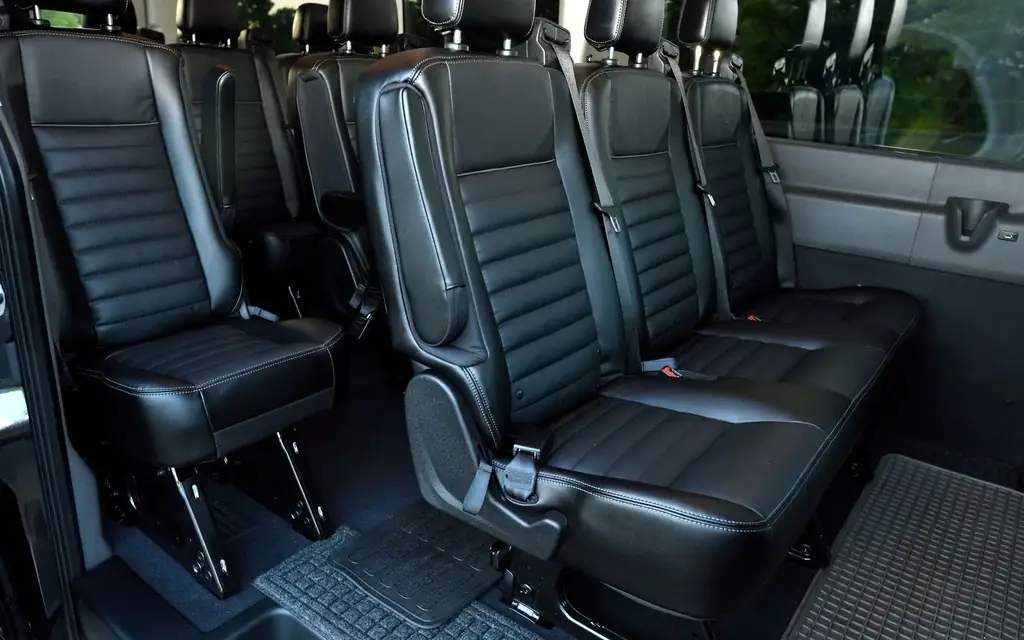
Vehicle choice follows party size. An executive sedan or first-class sedan suits two or three guests, a luxury SUV handles up to six with bags, and a Sprinter van with driver carries a group of up to 12 to 14. The fleet page lists classes and capacities, and the exact model is confirmed at booking.
Want to price your US Open car now? The fare for your exact pickup and vehicle is shown before you pay.
Why a licensed black car matters in New York
New York City regulates for-hire transport tightly. The NYC Taxi and Limousine Commission defines black car bases as licensed bases that dispatch all trips on a pre-arranged basis. That pre-arranged model is exactly what a US Open booking is: a scheduled trip with a known driver, vehicle and fare, rather than a street hail outside a stadium.
LimousineWorldwideDirectory.com runs the 24/7 booking desk. The ride itself is delivered by a vetted, licensed, commercially insured local operator from our directory, and the desk books, confirms and invoices it. For guests arriving from elsewhere, the city-level detail is on our New York limo service page, and the event overview lives on the US Open tennis transportation page.
Arriving by air on match day
Plenty of fans fly in the same day, particularly for the later rounds. Your arrival airport changes the plan.
LaGuardia is the obvious choice. It is so close to Flushing Meadows that a same-day arrival and an afternoon session can work, provided you keep bags in the car. See the LaGuardia airport page for terminal pickup details.
JFK is further but still workable, with the Van Wyck as the swing factor. The JFK airport page covers meeting points.
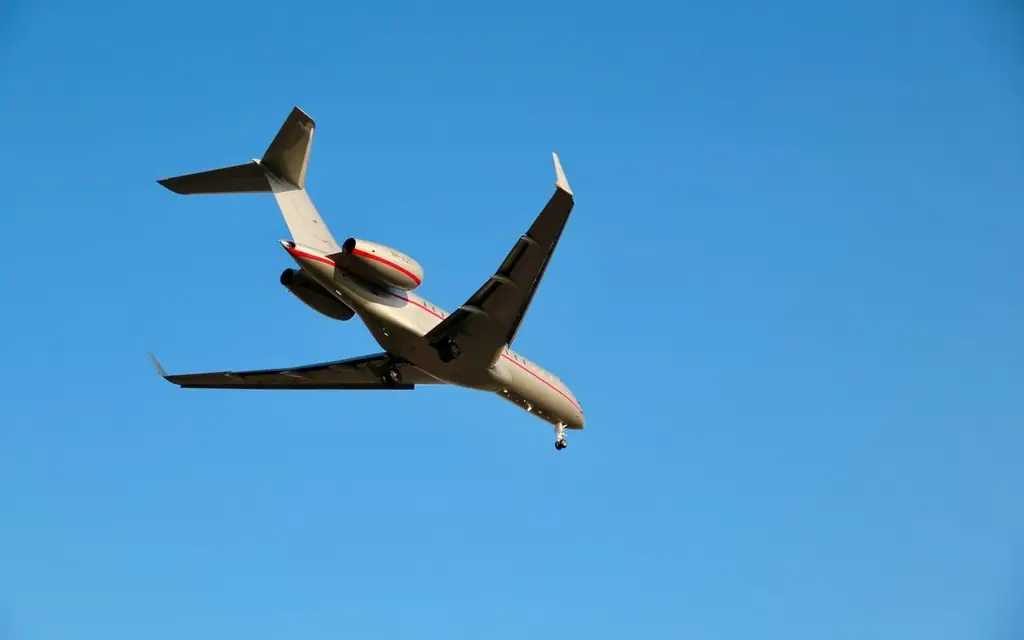
Teterboro is where most private jets land for New York. A car from Teterboro to Queens either crosses Manhattan or loops north through the Bronx, so it is the longest of the four. Our Teterboro FBO page explains the private terminals, and the series post on flying private into Teterboro covers slots and timing. If you are coordinating both, the private jet car service page explains tail-number tracking.
Whether you want a Flushing Meadows limo for a group or a sedan for two, a meet and greet service inside arrivals is useful for first-time visitors and for guests a host has never met in person.
Hosting clients at the tennis: a sample run sheet
Corporate hospitality is a large part of the tournament's audience, and the transport plan usually decides how the day is remembered. A realistic run sheet for four client guests on a weekday night session might look like this:
- 3:30 pm – Luxury SUV collects guests at a Midtown East hotel. Driver briefed on names, the session, and the agreed return landmark.
- 4:15 to 4:30 pm – Drop at the Hall of Science lot. Host meets guests at the Champion's Entry footpath.
- 4:30 to 11:30 pm – Car held on hourly time in the waiting area, or released and re-booked for a fixed return.
- Match point – Host messages the desk; chauffeur moves into the lot.
- Midnight – Return to the hotel, with a second car pre-booked for any guest staying elsewhere.
Hosts who run several days of this can set up a corporate car service account so every ride lands on one monthly invoice. For high-profile guests, our VIP chauffeur service adds alias name boards and signed NDAs on request. We are a chauffeur service, not a security company, and we coordinate with a client's own protection team where there is one.
When the subway is the better answer
Honesty helps here. The USTA itself recommends public transit: the 7 train runs from Grand Central to Mets-Willets Point, and the LIRR's Port Washington Branch stops there too, with trains from Penn Station, Grand Central Madison and Woodside. For a solo fan heading to a day session with nothing to carry, the train is cheaper and often just as quick.
A car makes sense when one of these applies: you are hosting guests, traveling with children or older relatives, carrying airport luggage, attending a late night session, or simply want to work, take calls or rest on the way. If you are planning a longer New York stay around the tournament, the series guide to hiring a chauffeur by the hour in New York covers Midtown, Wall Street and Hamptons days.
Sources
- How to get to the US Open – USTA / US Open official site
- 2026 US Open tournament dates – USTA / US Open official site
- Taxis and for-hire vehicles in the Congestion Relief Zone – Metropolitan Transportation Authority
- Black Car Base licensing – NYC Taxi and Limousine Commission
Frequently asked questions
Where does a car service drop off at the US Open?
Under the USTA's published guidance, all rideshare and black-car services drop off and pick up at the parking lot within the New York Hall of Science. A direct walking path leads to the Champion's Entry, and a free shuttle helps guests who need assistance. Confirm the arrangement for your date when you book, because event logistics can change between editions.
How long does it take to get from Midtown Manhattan to the US Open by car?
Plan on 25 to 60 minutes for roughly 15 km (about 9 to 10 miles). Midday trips are usually the quickest. A weekday evening departure for a night session overlaps the commute out of Manhattan and can take twice as long, so leave earlier than you think you need to.
Is it better to book transfers or keep the car by the hour?
For a day session with a predictable finish, two separate transfers are usually the better value. For night sessions, long days or when you have luggage in the car, an hourly chauffeur removes the risk of a late finish. The booker shows the fare for either option before you confirm.
Can the chauffeur pick us up right after a late night match?
Yes. Tell the desk the session, and message the chauffeur near the end of the match so the car can move into the Hall of Science lot before the crowd. Agree a landmark in advance in case phone signal drops. Expect a short queue of vehicles leaving the lot after a big match.
Which airport is closest to the US Open?
LaGuardia is closest, about 5 km (3 miles) away and typically 10 to 25 minutes by car. JFK is about 25 to 45 minutes. Private flyers usually land at Teterboro, which is 45 to 90 minutes away depending on the crossing. See our LaGuardia page for pickup details.
Can I bring my luggage to the US Open?
Large bags are not allowed on the grounds, and both entrances have a bag check. If you are traveling straight from or to an airport, keep your suitcases in the car. Holding the vehicle on an hourly booking is the simplest way to keep luggage secure during the session.
Plan the rest of the trip
 Booking WorldwideOnline travel agency · our travel desk partner
Your chauffeur is booked here. Book the rest of the trip in one place: hotels, flights, resorts, activities, packages and car rentals in every country.
Plan your trip