 United StatesJFK
 MexicoMEX
 BrazilGRU
 ArgentinaEZE
 ChileSCL
 ColombiaBOG
 PeruLIM
 PanamaPTY
 Costa RicaSJO
 Dominican RepublicPUJ
 JamaicaMBJ
 BahamasNAS
 BarbadosBGI
 United KingdomLHR
 IrelandDUB
 FranceCDG
 GermanyFRA
 NetherlandsAMS
 BelgiumBRU
 SwitzerlandZRH
 AustriaVIE
 ItalyFCO
 SpainMAD
 PortugalLIS
 GreeceATH
 TurkeyIST
 DenmarkCPH
 SwedenARN
 NorwayOSL
 FinlandHEL
 PolandWAW
 Czech RepublicPRG
 HungaryBUD
 IcelandKEF
 United Arab EmiratesDXB
 QatarDOH
 Saudi ArabiaRUH
 IsraelTLV
 EgyptCAI
 MoroccoCMN
 South AfricaJNB
 KenyaNBO
 NigeriaLOS
 IndiaDEL
 PakistanLHE
 Sri LankaCMB
 SingaporeSIN
 MalaysiaKUL
 ThailandBKK
 VietnamSGN
 PhilippinesMNL
 IndonesiaCGK
 Hong KongHKG
 ChinaPVG
 TaiwanTPE
 JapanHND
 South KoreaICN
 AustraliaSYD
 New ZealandAKL
People ask for a discreet car service for many reasons, and fame is only one of them. A chief executive meeting a possible acquirer, a lawyer moving between confidential sessions, a family traveling to a medical appointment, a philanthropist who simply prefers not to be noticed: each wants the same thing from the car. Nobody should learn more about the trip than they need to.
This guide explains the mechanics. It covers which information a chauffeur desk really needs, how aliases and name boards work, what a non-disclosure agreement for a driver can and cannot do, and the rules on photographs and phones. It also points to the privacy principles regulators already expect businesses to follow, because good discretion and good data practice turn out to be the same discipline.
What is a discreet car service, really?
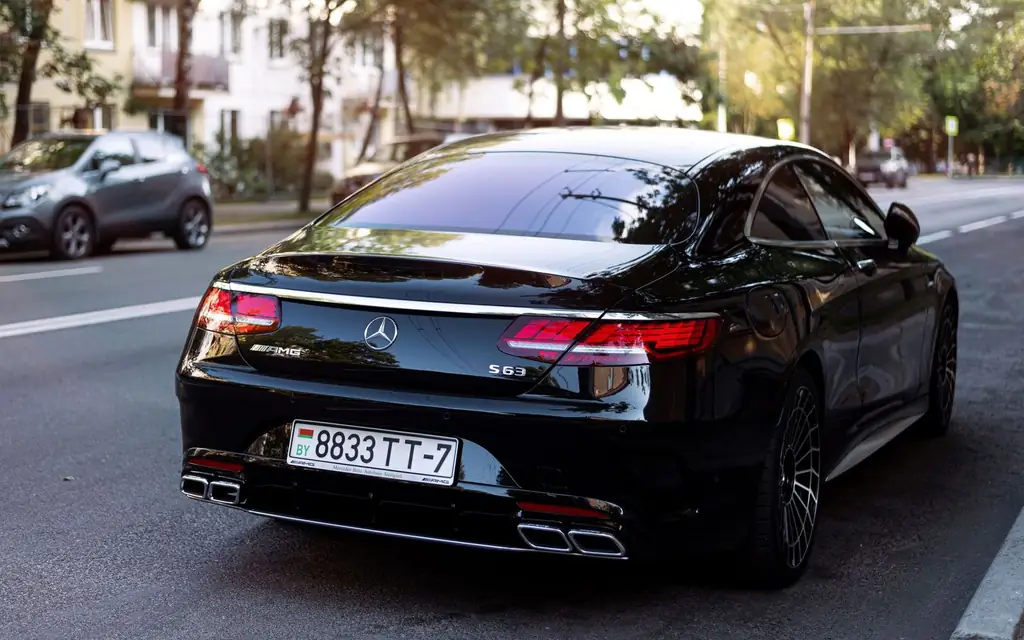
A discreet car service collects only the information needed to run the trip, shares it only with the people who must act on it, uses an alias wherever the real name is not required, and has written rules that chauffeurs never photograph, discuss or post about passengers. Discretion is a process, not a promise.
The word "discreet" appears on nearly every luxury transport website, which makes it close to meaningless on its own. The useful test is to ask a provider how they handle the information. Who sees the passenger's name? Where is the itinerary stored? What happens to it after the trip? Can the booking carry an alias? Will the chauffeur sign an NDA, and who else at the company is bound by one? A provider with real practices answers immediately and specifically. For the operational side of high-profile trips, such as advance work and alternate entrances, see our guide to the celebrity chauffeur service; where a security team is involved, read executive protection and the chauffeur.
Data minimisation: the less the desk holds, the less can leak
Every leak needs a source, and the simplest way to reduce sources is to hold less. Data protection law describes this as data minimisation. The recitals of the EU's General Data Protection Regulation say personal data should be "limited to what is necessary for the purposes for which they are processed", and the United States Federal Trade Commission's guide for businesses puts it more bluntly: "Keep only what you need for your business."
Applied to a chauffeured trip, it looks like this:
| Information | Needed for | Who actually needs it | Can it be avoided? |
|---|---|---|---|
| Passenger's legal name | Rarely; sometimes FBO or hotel arrangements | Desk only, when required | Usually yes, with an alias |
| Alias or reference name | Booking and name board | Desk and chauffeur | It replaces the real name |
| Booker's contact details | Confirmations and changes | Desk | No |
| Pickup and drop-off addresses | Running the trip | Desk and chauffeur | No, but intermediate stops can be given on the day |
| Flight or tail number | Tracking and timing | Desk and chauffeur | No for airport pickups |
| Purpose of the trip | Nothing operational | Nobody | Yes, never needed |
| Names of fellow passengers | Rarely | Usually nobody | Yes |
The pattern is clear. A chauffeur needs a time, a place, a vehicle and a way to reach the team. They do not need to know why the passenger is going, who they are meeting or what happens next. If a booking form asks for more than the trip requires, ask why.
Retention matters too. The UK Information Commissioner's Office explains that personal data should be kept "for no longer than is necessary" and then deleted or anonymised. For a frequent traveler, the practical request is simple: ask the desk to keep only what you want reused, such as a preferred vehicle class and billing details, and nothing about individual trips beyond what accounting requires.
Aliases on bookings and name boards
An alias is the most effective single privacy tool in ground transport, because the name board in an arrivals hall is the most public document in the whole trip.
Teams typically choose one of these approaches:
- No board at all. The chauffeur waits at an agreed spot and identifies the passenger from a description or a message. This is the quietest option where the meeting point is easy to find.
- A neutral alias. A plausible surname with no connection to the passenger. Avoid nicknames, initials of a famous name and anything a fan would recognize.
- A company or reference name. Useful for executives, provided the company name does not itself attract attention.
- A code word. The board shows a word agreed with the team, and the chauffeur confirms the passenger with a second detail by phone.
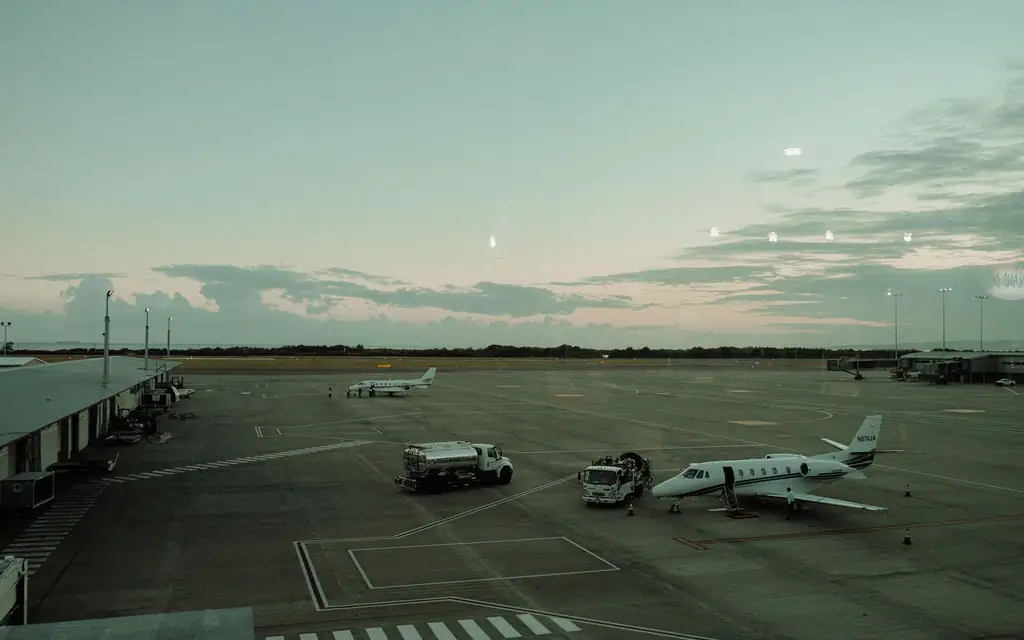
There are limits. Where an authority, an aircraft operator or a hotel legally needs the passenger's real name, that requirement applies, and the desk passes the real name only to that party. Arrivals by private aircraft are a common example; how the car links to the FBO is covered on our private jet car service page. For commercial arrivals, an alias works well with our meet and greet service, and the wider choreography of an arrivals hall is explained in our guide to airport meet and greet.
Need a car for a confidential trip? Price it here; the exact fare is shown before you confirm.
How an NDA driver agreement works
A non-disclosure agreement turns the expectation of silence into a written obligation. When clients ask for an NDA driver, the paperwork usually has these parts:
- Parties. The client (or their company or family office) and the chauffeur operator, with the individual chauffeur also signing where the client requires it.
- Confidential information. Typically the passenger's identity, itinerary, conversations, addresses, companions and anything seen or heard in the vehicle.
- Obligations. No disclosure to third parties, no photographs or recordings, no social media references, and secure handling of any written itinerary.
- Duration. Often continuing after the trip ends, for a period the client sets.
- Exceptions. Disclosure required by law, police or a court.
That last point is important. An NDA cannot stop someone reporting a crime, and in the United States some kinds of pre-dispute clauses are now unenforceable by statute. The federal Speak Out Act, approved on December 7, 2022, provides that nondisclosure and nondisparagement clauses agreed before a dispute arises are not judicially enforceable in sexual assault and sexual harassment disputes. An NDA is a confidentiality tool, not a way to silence people about wrongdoing, and clients should take their own legal advice on the wording.
Practically, ask for an NDA when you book, not at the curb. The operator needs time to sign and return it before the pickup. Our standing commitments on discretion, which apply with or without an NDA, are set out on the VIP chauffeur service page.
Photos, phones and social media: the house rules
Most modern leaks are photographs. A picture of a passenger, a hotel entrance or even a distinctive suitcase can identify a trip within minutes of being posted. That is why the photo policy is the rule that matters most.
Chauffeurs booked through LimousineWorldwideDirectory.com do not photograph passengers, do not post about trips and do not discuss passengers with anyone, including other chauffeurs and dispatch staff who are not working the booking. That rule covers social media, private messaging groups and casual conversation.
Clients can strengthen the policy for a specific booking:
- Ask for a phone-down policy. The chauffeur keeps a phone only for navigation and contact with the team, mounted and out of passengers' sight.
- Ask about vehicle cameras. Some vehicles carry safety cameras because local rules or insurers expect them. If that matters to you, ask the desk before the trip so it can confirm the arrangement with the operator.
- Keep documents out of sight. Itineraries on paper should stay with the passenger's team rather than on the dashboard.
How a confidential chauffeur behaves in the car
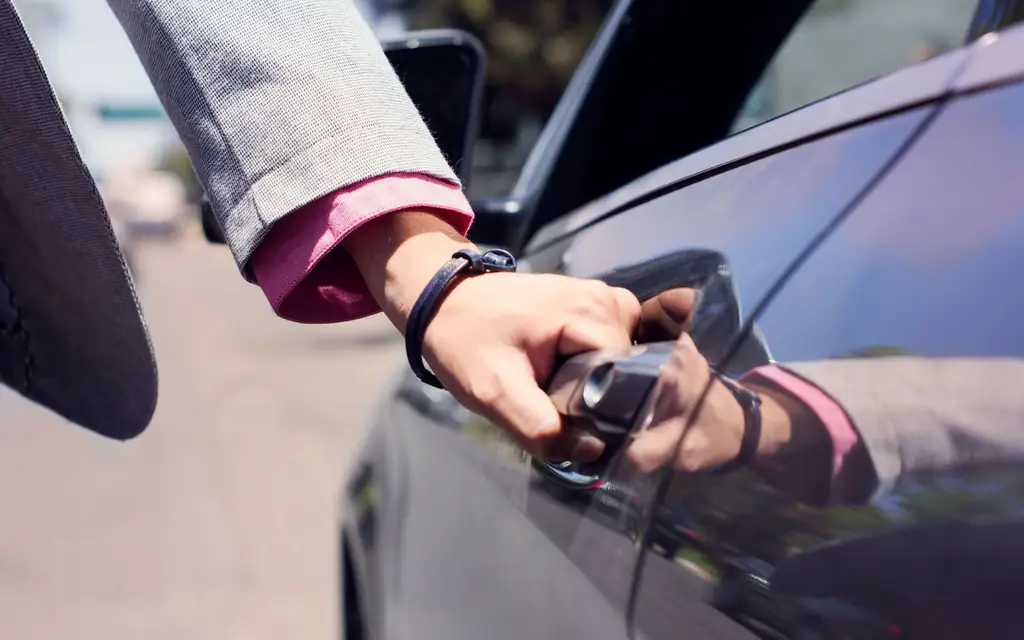
A confidential chauffeur is mostly invisible in the best sense. They greet the passenger, confirm the destination and then let the passenger decide whether to talk. Phone calls in the back seat are not the chauffeur's business. Neither are documents, guests or changes of plan, which go through the team or the desk.
Small habits make a large difference, and they are part of how operators are vetted, as explained on why book with us:
- Confirming addresses quietly. The chauffeur does not read out the destination in a hotel lobby.
- Not volunteering information. If anyone at a venue asks who the chauffeur is waiting for, the answer is the alias or nothing at all.
- Varying holding points. On multi-day bookings, the car does not wait in the same visible spot every evening.
- One contact route. Changes come from the named booker, not from a voice on the phone claiming to be part of the team.
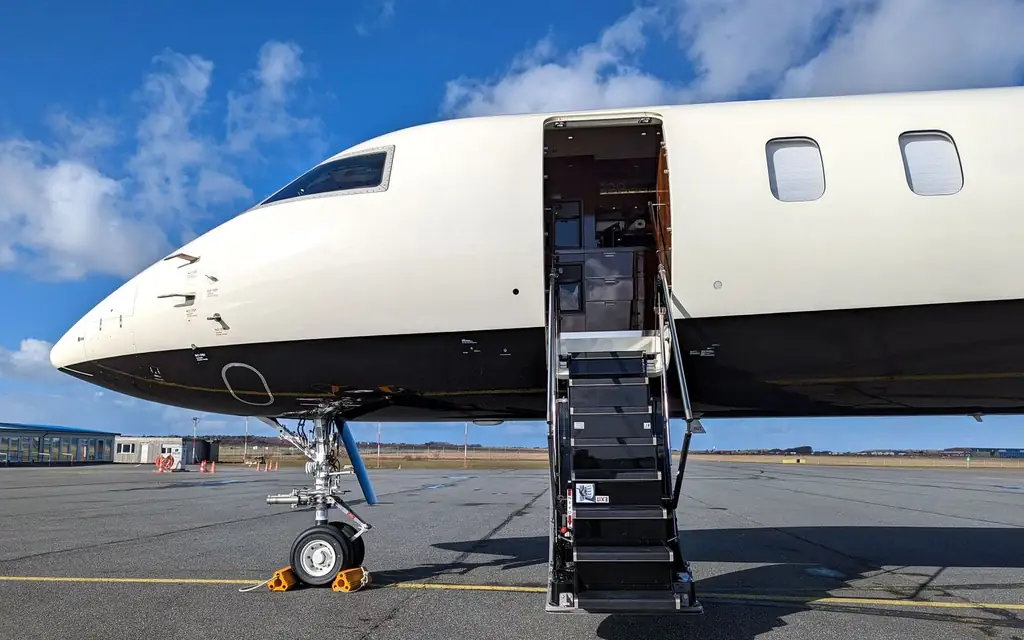
Consider a common New York scenario. A guest lands at Teterboro, the private aviation airport about 20 km (12 miles) from Midtown, and the drive takes 30 to 60 minutes depending on traffic. The car waits under an alias, collects the guest at the FBO, drives to a hotel's side entrance agreed in advance and returns at a time only the team knows. Read the local detail on our Teterboro page and our New York car service page.
Privacy rules that shape how bookings are handled
Beyond good manners, privacy law gives travelers rights over their own information. California's privacy law is a useful example because it addresses location data directly. The California Attorney General explains that the CCPA gives consumers the right to limit the use and disclosure of sensitive personal information, which includes precise geolocation, alongside rights to know, delete and correct personal information held by covered businesses.
You do not have to be a lawyer to apply these ideas to your own travel. Ask any provider three questions: what do you keep about me, for how long, and how do I have it deleted? Under the EU and UK regimes and several US state laws, those questions have legal weight. Under good practice, they should have quick answers everywhere.
A discreet booking, step by step
- Choose the booker of record. One person books and changes the trip. Tell the desk who else, if anyone, may call.
- Pick the alias and board style. Decide between no board, an alias, a company name or a code word.
- Request paperwork early. NDAs and any special arrangements with hotels or FBOs need lead time.
- Share only operational details. Pickup, drop-off, timing, flight or tail number, luggage. Leave out the purpose.
- Confirm the photo and phone rules you expect, especially for vehicle cameras.
- Ask for deletion of trip details you do not want kept after invoicing.
Discretion also benefits from continuity. Families and principals who travel often may prefer a standing arrangement, described on our family office chauffeur page and in our guide to family office travel. Hotel teams booking for guests can use our hotel concierge bookings service, and advisors booking for clients can work through the travel trade desk.
Ground bookings are free to cancel more than 72 hours before pickup; inside 72 hours 10% applies, inside 48 hours 50%, and inside 24 hours or a no-show 100%.
Sources
- EUR-Lex: Regulation (EU) 2016/679, General Data Protection Regulation
- Federal Trade Commission: Protecting Personal Information, A Guide for Business
- Information Commissioner's Office: Storage limitation principle
- GovInfo: Speak Out Act, Public Law 117-224
- State of California Department of Justice: California Consumer Privacy Act
Frequently asked questions
Will the chauffeur sign an NDA?
Yes, on request. Ask when you book so the operator can sign and return it before the pickup. The agreement can cover the operator company and the individual chauffeur. Without an NDA, the standing rules still apply: no photographs, no posting and no discussion of passengers.
Can I book a car without giving my real name?
In most cases, yes. The booking and name board can carry an alias, with the booker's contact details used for confirmations. Where an aircraft operator, an authority or a hotel legally needs the real name, the desk passes it only to that party.
What should the name board say?
Whatever reveals least. Many clients prefer no board and an agreed meeting point. Others use a neutral surname, a company name or a code word confirmed by phone. Avoid nicknames or initials that a fan or photographer could recognize.
Do chauffeurs ever post photos of clients?
No. Chauffeurs booked through LimousineWorldwideDirectory.com do not photograph passengers or post about trips on social media or in messaging groups. Clients can add a phone-down request for their booking so the chauffeur uses a phone only for navigation and team contact.
How long is my trip information kept?
Only as long as it is needed for the trip, invoicing and legal obligations. If you want a standing profile, such as preferred vehicle and billing, the desk keeps that. Ask for deletion of anything else after the trip is invoiced.
Is a discreet car service more expensive?
Not necessarily. Aliases, an agreed meeting point and a phone-down request cost nothing. Meet-and-greet inside the terminal and hourly service are priced like any other booking, and the online booker shows the exact fare before you confirm.
Plan the rest of the trip
 Booking WorldwideOnline travel agency · our travel desk partner
Your chauffeur is booked here. Book the rest of the trip in one place: hotels, flights, resorts, activities, packages and car rentals in every country.
Plan your trip