

 United StatesJFK
 MexicoMEX
 BrazilGRU
 ArgentinaEZE
 ChileSCL
 ColombiaBOG
 PeruLIM
 PanamaPTY
 Costa RicaSJO
 Dominican RepublicPUJ
 JamaicaMBJ
 BahamasNAS
 BarbadosBGI
 United KingdomLHR
 IrelandDUB
 FranceCDG
 GermanyFRA
 NetherlandsAMS
 BelgiumBRU
 SwitzerlandZRH
 AustriaVIE
 ItalyFCO
 SpainMAD
 PortugalLIS
 GreeceATH
 TurkeyIST
 DenmarkCPH
 SwedenARN
 NorwayOSL
 FinlandHEL
 PolandWAW
 Czech RepublicPRG
 HungaryBUD
 IcelandKEF
 United Arab EmiratesDXB
 QatarDOH
 Saudi ArabiaRUH
 IsraelTLV
 EgyptCAI
 MoroccoCMN
 South AfricaJNB
 KenyaNBO
 NigeriaLOS
 IndiaDEL
 PakistanLHE
 Sri LankaCMB
 SingaporeSIN
 MalaysiaKUL
 ThailandBKK
 VietnamSGN
 PhilippinesMNL
 IndonesiaCGK
 Hong KongHKG
 ChinaPVG
 TaiwanTPE
 JapanHND
 South KoreaICN
 AustraliaSYD
 New ZealandAKL
A global chauffeur service promises something that sounds impossible: the same standard of car and driver in New York, London, Dubai and Tokyo, booked through one contact and paid on one invoice. The way it actually works is less mysterious than the marketing suggests. Behind almost every worldwide chauffeur service sits a network of local, licensed operators, and a coordinating layer that decides which operator gets each job, what it is told, and how the result is checked.
Understanding that structure helps you ask better questions of any provider, including us. This article explains the main network models, the standards that separate a reliable network from a loose list of phone numbers, and what a single invoice across many countries really involves.
What is a global chauffeur network?
A global chauffeur network is a group of independent, locally licensed chauffeur companies that accept bookings from a central desk or from each other. The desk sells and coordinates the ride; a local operator with the right permits, insurance and local knowledge drives it. The traveler sees one booking, one standard and one bill.
The reason networks exist is regulation as much as economics. Chauffeured transport is licensed city by city, state by state and country by country. A car and driver legally working in one jurisdiction usually cannot simply cross into another and start taking local bookings. So instead of one company trying to hold permits everywhere, the industry relies on companies that are licensed where the ride happens.
Some examples show how local the rules are:
- In New York City, the Taxi and Limousine Commission licenses black car bases, which dispatch all trips on a pre-arranged basis.
- In London, Transport for London states that anyone who wants to accept private hire bookings must be licensed as a private hire operator, and that using a licensed operator gives passengers confidence the driver and vehicle are licensed too. TfL's list of operator types explicitly includes one-person operations offering a chauffeur service.
- In California, the Public Utilities Commission licenses charter-party carriers that provide charter service and sightseeing under Commission authority.
A worldwide service that respects those rules has to work through operators who already hold them.
The four models behind a global chauffeur service
Not every global provider is built the same way. The model affects who you can hold accountable when something goes wrong.

| Model | How it works | Strength | Weakness |
|---|---|---|---|
| Owned fleet in a few hubs | One company runs its own cars in a handful of cities | Tight control where it operates | Thin or no coverage elsewhere |
| Affiliate (farm-out) network | Operators pass jobs to each other in cities they don't serve | Broad reach, local knowledge | Standards vary unless someone enforces them |
| App marketplace | Drivers or small firms accept jobs through a platform | Fast, often cheaper | Limited vetting depth, little personal accountability |
| Directory with a central booking desk | A desk vets operators, books, briefs, monitors and invoices | One contact, consistent briefing, one invoice | Depends on the desk's vetting discipline |
LimousineWorldwideDirectory.com is the fourth model. We run a 24/7 booking desk and a worldwide directory of operators. Every ride is delivered by a vetted, licensed, commercially insured local operator, and every ride is booked, confirmed and invoiced by the desk. We do not own cars abroad. The service overview is on our global chauffeur service page, and the directory shows the regions it covers.
What standards should a worldwide chauffeur service enforce?
A network is only as good as its weakest member, so the real product is the vetting. These are the checks that matter, roughly in order of importance.
Licensing and insurance where the ride happens
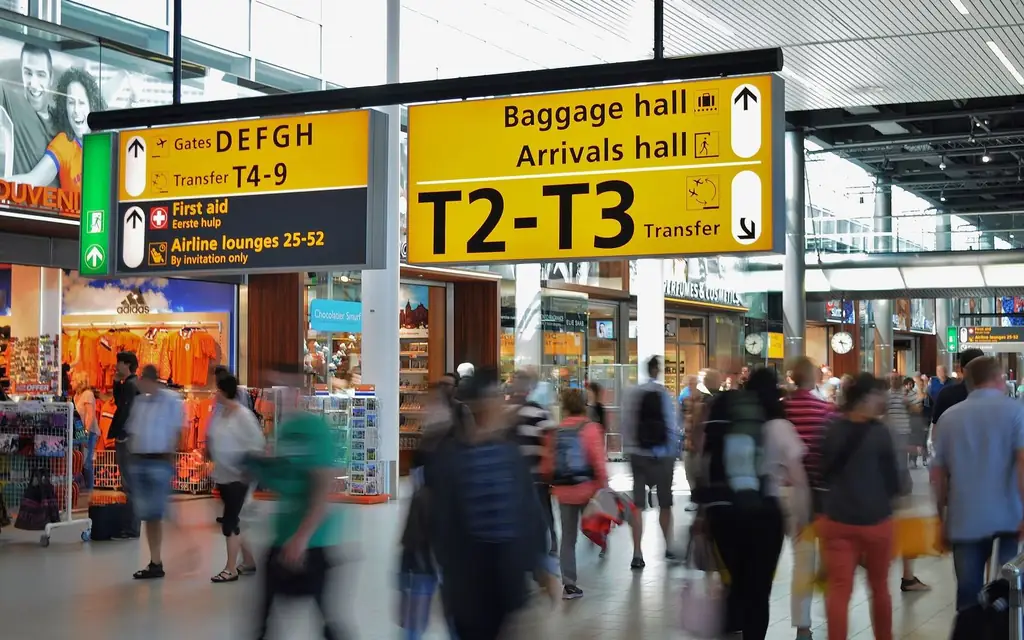
The operator must hold the local permit for the service being performed: a TLC base license in New York, a private hire operator license in London, the relevant state or national authority elsewhere. Commercial insurance must cover paid passenger transport, not just private use. Ask any provider whether it checks these documents and how often it re-checks them.
Vehicle age and condition
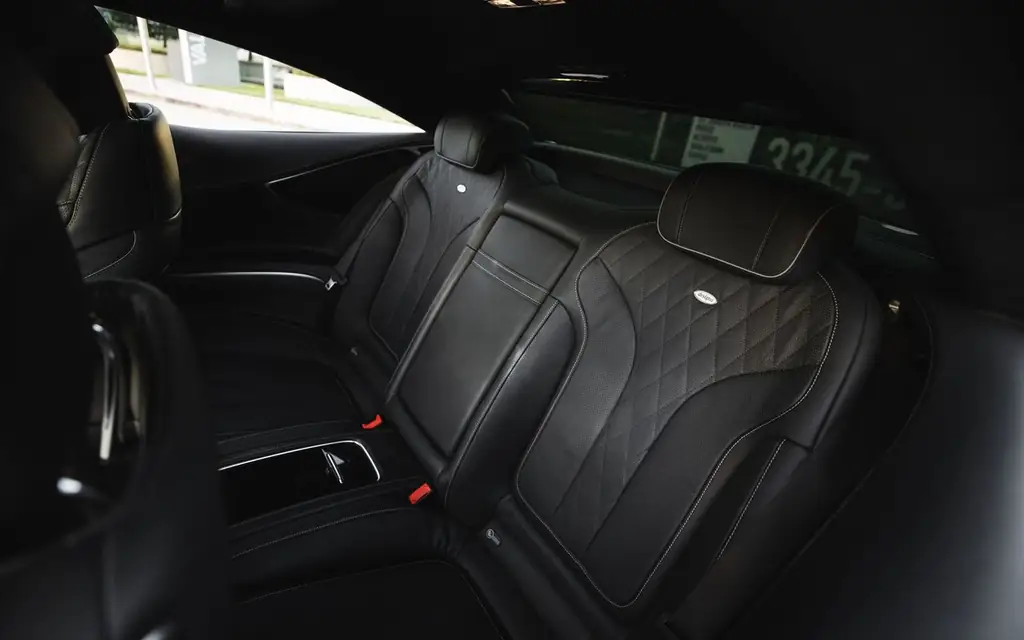
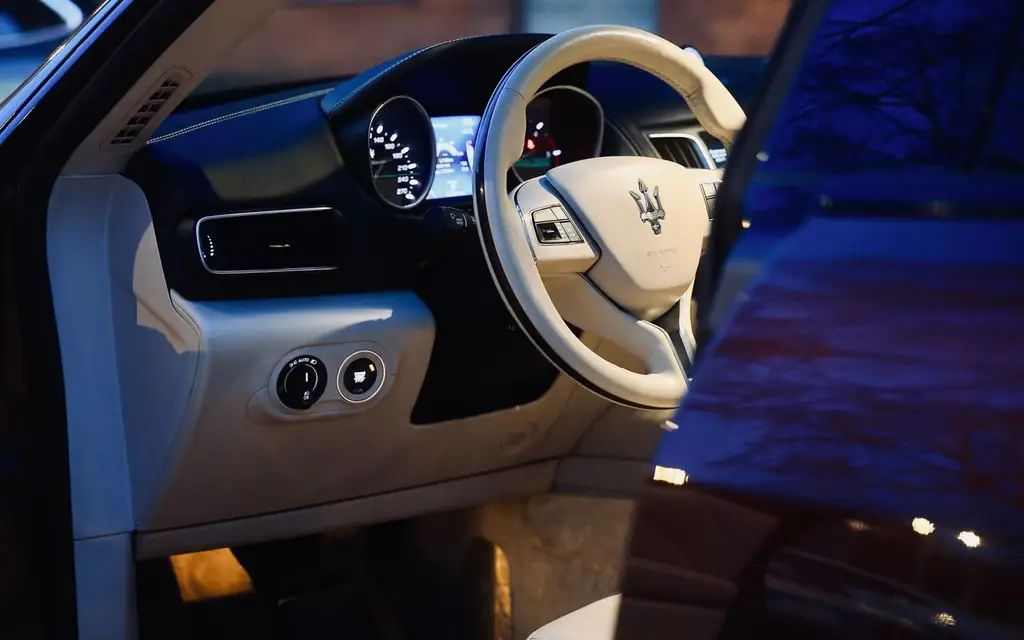
Global standards are meaningless without a vehicle rule. Our directory standard is late-model, fully maintained and inspected vehicles: no more than four model years old, and up to seven years for Rolls-Royce, Bentley and Maybach. Vehicle classes are guaranteed; a specific model is "or similar" and confirmed at booking. The fleet page lists the classes.
Chauffeur conduct
Professional dress, punctuality, route knowledge and discretion are the visible part. The invisible part matters more: no photographs of clients, no social posts about trips, NDAs signed on request, and alias name boards when a client prefers not to be identified at arrivals.
Briefing discipline
Most failures in international car service are information failures, not driving failures. The chauffeur receives a flight number that was changed, a terminal that was wrong, or a passenger name in the wrong script. A central desk earns its place by sending every operator the same structured brief, in the same format, every time.
How one booking becomes a car in another city
The mechanics are worth seeing step by step, because they explain where reliability comes from.

- The traveler or assistant books online. Pickup, destination, date, local time and vehicle class go into the online booker, which shows the exact fare before confirmation.
- The desk selects an operator. It chooses a vetted operator licensed in the pickup city and able to supply the confirmed class.
- A structured brief goes out. Flight details, meeting point, name-board wording, passenger and bag count, child seats and any stops.
- The operator confirms the driver and vehicle. The desk sends the traveler one confirmation in the same format as every other city.
- The ride is monitored. Flights are tracked; international arrivals get 60 minutes of free waiting after landing, domestic arrivals 30 minutes, other pickups 15 minutes.
- The invoice is issued centrally. The local operator is paid by the network; the client pays one party.
Need a car in another city? Price it now; the fare is shown before you confirm.
The single invoice: what it simplifies and what it doesn't
For corporate clients the consolidated invoice is often the main reason to use a global network. Without it, a ten-city trip can produce ten suppliers, ten payment methods, several currencies and a reconciliation headache for the finance team.
A single-desk model collapses that into one supplier relationship. Corporate accounts receive monthly invoicing, and each ride can carry the reference fields your finance team needs, such as traveler name and cost center. Our series guide to corporate car service accounts covers billing setup and policy controls.
A single invoice does not erase local differences. Fares reflect local costs, which vary a great deal between, say, Zurich and Bangkok. Some cities add charges that flow through to the passenger, such as airport access fees or congestion charges. The honest approach is to show these in the fare before booking rather than surprise anyone afterwards.
Duty of care across borders
When companies send employees abroad, ground transport is part of their duty of care. The international standard ISO 31030:2021, Travel risk management – Guidance for organizations gives organizations a framework for managing the risks of business travel, and pre-booked, vetted ground transport is one of the simplest controls a travel program can apply.
A global network supports that in three practical ways:
- Known operators. The company can show which licensed operator carried which traveler, on which date.
- Trip visibility. Every booking sits in one system, so the travel manager can see who is on the road and where.
- A human contact at all hours. A desk that answers at 3 a.m. is a safety feature, not a convenience.
The series guide to duty of care in corporate ground transportation goes further into policy design. For senior executives, the executive chauffeur service page explains the briefing we apply to principal travel.
Where networks are tested: roadshows, events and private aviation
Some itineraries stress a network more than others.
Roadshows chain several cities in a few days, with meetings minutes apart. The same structured brief has to reach a different operator each morning. Our roadshow car service page shows how those days are built, and the series post on investor roadshow planning works through a sample schedule.
Events and conferences concentrate demand. During a major trade show every operator in the city is busy, and a network needs depth, not just a single contact per city. See conference transportation and event transportation.
Private aviation adds tail-number tracking and FBO access rules. Cars meet aircraft at business airports such as Teterboro or Paris Le Bourget, and the private jet car service page explains the handoff.
Questions to ask any international car service
Whether you book through us or someone else, these questions separate a managed network from a list of contacts:
- Who is the licensed operator for my ride, and are you checking their license and insurance?
- What is your vehicle age standard, and is it written down?
- How does my flight change reach the driver, and how fast?
- Is there a person I can call at any hour, in my language?
- What happens if the assigned operator fails to show? Who sends the replacement?
- Will I receive one invoice, in one currency, with my reference fields on it?
- What is the cancellation policy, and is it the same in every city?
On the last point, our ground policy is the same everywhere: cancel more than 72 hours before pickup at no charge; inside 72 hours, 10%; inside 48 hours, 50%; inside 24 hours or a no-show, 100%.
When a global network is not the right tool
A worldwide network is designed for consistency and accountability across many places. If you are visiting one city once, staying in one hotel and need one short ride, a well-reviewed local company booked directly may serve you just as well. A network adds the most value when a trip crosses borders, involves several travelers, needs central billing, or carries a duty-of-care obligation.
For trips that start in one city and end in another, our long-distance car service handles the cross-border and cabotage planning. City pages such as London, Dubai and Tokyo show local airport and venue detail. And if you would like to see how we select operators before you book, why book with us sets out the vetting in plain terms.
Sources
- Black Car Base licensing – NYC Taxi and Limousine Commission
- Apply for a private hire operator licence – Transport for London
- Transportation Licensing and Analysis Branch – California Public Utilities Commission
- ISO 31030:2021 Travel risk management – Guidance for organizations – International Organization for Standardization
Frequently asked questions
What is a global chauffeur service?
It is a chauffeur service you can book for rides in many cities and countries through one contact. The rides are driven by local operators licensed where the ride happens, while a central desk handles booking, briefing, monitoring and billing. You get one confirmation format and one invoice wherever you travel.
Does a worldwide chauffeur service own cars in every city?
Almost never. Chauffeured transport is licensed locally, so global services work through local operators who hold the right permits and insurance. LimousineWorldwideDirectory.com does not own vehicles abroad; it vets operators in its directory, books the rides and invoices them centrally.
How do I know the local operator is properly licensed?
Ask the provider. A managed network checks each operator's license and commercial insurance before adding it and re-checks over time. In London, for example, Transport for London licenses the operator, the driver and the vehicle, so all three should be valid. Our why book with us page explains our vetting.
Can I get one invoice for rides in several countries?
Yes. Corporate accounts receive a single monthly invoice covering every ride, with reference fields such as traveler and cost center. Individual travelers receive one confirmation and receipt per booking from the same desk. Local charges such as airport fees are shown in the fare before you book.
Is the vehicle the same in every city?
The vehicle class is guaranteed, and the exact model is "or similar," confirmed at booking. An executive sedan in Paris and one in Chicago will be comparable vehicles, but not necessarily the same make. Our standard caps vehicle age at four model years, or seven for Rolls-Royce, Bentley and Maybach.
What happens if a driver doesn't show up abroad?
The desk monitors each pickup and, if an operator fails, works to dispatch a replacement from another vetted operator in the same city. That fallback is one of the main reasons to book through a managed network rather than directly with a single small company you have never used.
Plan the rest of the trip
 Booking WorldwideOnline travel agency · our travel desk partner
Your chauffeur is booked here. Book the rest of the trip in one place: hotels, flights, resorts, activities, packages and car rentals in every country.
Plan your trip