

 United StatesJFK
 MexicoMEX
 BrazilGRU
 ArgentinaEZE
 ChileSCL
 ColombiaBOG
 PeruLIM
 PanamaPTY
 Costa RicaSJO
 Dominican RepublicPUJ
 JamaicaMBJ
 BahamasNAS
 BarbadosBGI
 United KingdomLHR
 IrelandDUB
 FranceCDG
 GermanyFRA
 NetherlandsAMS
 BelgiumBRU
 SwitzerlandZRH
 AustriaVIE
 ItalyFCO
 SpainMAD
 PortugalLIS
 GreeceATH
 TurkeyIST
 DenmarkCPH
 SwedenARN
 NorwayOSL
 FinlandHEL
 PolandWAW
 Czech RepublicPRG
 HungaryBUD
 IcelandKEF
 United Arab EmiratesDXB
 QatarDOH
 Saudi ArabiaRUH
 IsraelTLV
 EgyptCAI
 MoroccoCMN
 South AfricaJNB
 KenyaNBO
 NigeriaLOS
 IndiaDEL
 PakistanLHE
 Sri LankaCMB
 SingaporeSIN
 MalaysiaKUL
 ThailandBKK
 VietnamSGN
 PhilippinesMNL
 IndonesiaCGK
 Hong KongHKG
 ChinaPVG
 TaiwanTPE
 JapanHND
 South KoreaICN
 AustraliaSYD
 New ZealandAKL
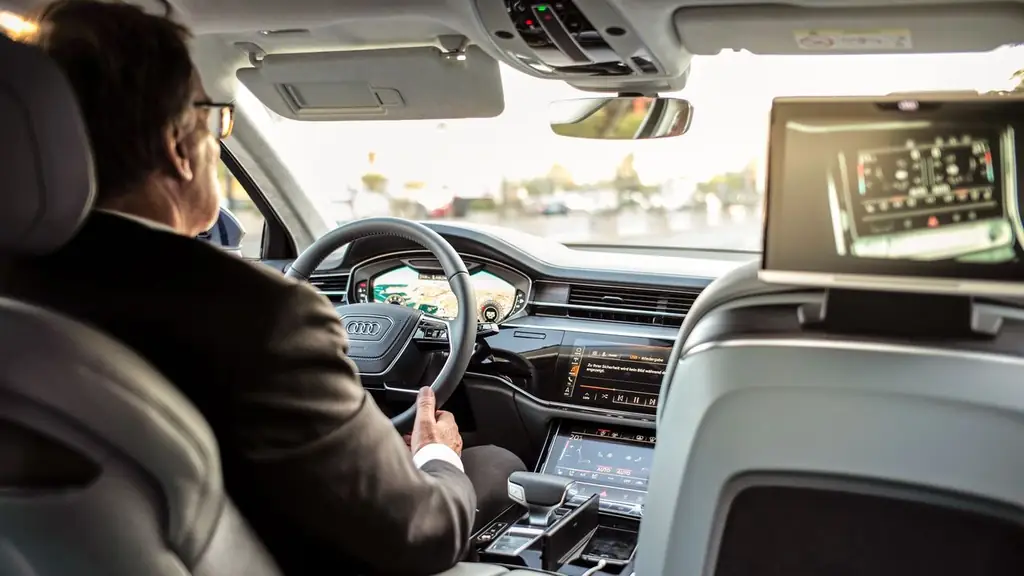
A roadshow car service is judged on one thing: whether the management team walks into every investor meeting on time, composed and prepared. Nobody remembers the car that worked. Everybody remembers the meeting that started without the chief financial officer because a driver waited at the wrong entrance.
This guide is for the people who build the plan: roadshow coordinators at banks, investor relations teams and executive assistants. It goes beyond our roadshow car service page to show how a multi-city day is planned minute by minute, how two cities fit into one day, and what to do when the schedule breaks.
What is an investor roadshow, and why does the car matter?
An investor roadshow is a series of meetings in which a company's management presents to investors, either around a securities offering or as a non-deal visit. Teams often cover several meetings per city and more than one city per day, so the ground plan must deliver them to each door on schedule and discreetly.
US securities rules give the term a precise meaning in the offering context: a road show is an offer containing a presentation regarding an offering by members of the issuer's management, including discussion of the issuer, that management or the securities being offered (17 CFR 230.433, eCFR). Non-deal roadshows, where management meets current and prospective shareholders without an offering, use the same logistics.
For IPO roadshow transportation, the stakes are higher still. Days are long, the calendar is fixed by the deal timetable, and each meeting may be the only chance to persuade a particular fund.
Who owns the plan
A roadshow car plan fails when nobody owns it. Typically:
- The bank's roadshow coordinator builds the meeting schedule and is the only person who changes it.
- The company's executive assistant owns travelers' preferences, flights and hotels.
- The ground desk turns the schedule into confirmed cars in each city and keeps every chauffeur briefed.
Agree on one rule before day one: schedule changes go from the coordinator to the desk, and the desk tells the chauffeurs. Two people sending instructions to one driver is how cars end up at two addresses.
Hold a short call with the desk two or three days before departure. Walk through each city in order: hotels, the first pickup, every meeting address with its entrance, the airport or station legs, luggage, and who travels in which car. Ten minutes on the phone catches the errors that cost an hour on the day, such as a fund that moved offices last quarter or a hotel with two street entrances. Send the final run sheet in one document, not as a thread of updates, and mark the version number so every chauffeur works from the same plan.
Building the run sheet minute by minute
Start from the fixed points and work outward. The last fixed point of the day, usually a flight or the final meeting, sets the latest departure from the meeting before it, and so on backward.
For each meeting, the run sheet needs five times, not one:
- Car at pickup. The vehicle is waiting before the team leaves the previous meeting.
- Wheels moving. The team is in the car.
- Curb arrival. The car reaches the building.
- Lobby cleared. Visitor registration and lifts take real time in large towers.
- Meeting start. The time the investor expects.
Here is an illustrative Manhattan morning. The times are an example of the method, not a promise about traffic:
| Time | Step | Planning note |
|---|---|---|
| 07:20 | Car at hotel | Chauffeur positioned at the agreed entrance 10 minutes early |
| 07:30 | Depart for meeting 1 | Route set the evening before |
| 07:50 | Curb at meeting 1 | Allow 10 to 15 minutes for lobby security |
| 08:05 | Meeting 1 starts | Car waits nearby, engine and cabin ready |
| 09:05 | Depart for meeting 2 | Team reviews notes in the car |
| 09:25 | Curb at meeting 2 | Second building, different entrance |
| 09:40 | Meeting 2 starts | Desk confirms meeting 3 address and entrance |
| 10:40 | Depart for meeting 3 | Buffer absorbs any overrun |
Notice the gaps: 15 minutes of lobby time and a 20-minute drive for a short Midtown hop. Optimistic schedules that allow five minutes between buildings are the single most common cause of late arrivals. In Manhattan, each leg by a for-hire vehicle within the Congestion Relief Zone can also carry its own per-trip charge, $0.75 for taxis and other for-hire vehicles in the MTA's per-trip plan (MTA), which is another reason roadshows are booked as one hourly car rather than separate transfers. Our comparison of car service by the hour vs point-to-point explains the arithmetic.
Two cities in one day
The hardest roadshow days combine two financial centers. Boston and New York are a classic pairing, and the ground plan has three parts.
Morning in Boston. Logan International Airport sits about 4 km (2.5 miles) northeast of Back Bay, which makes the transfer from the last Boston meeting to the airport short, typically 15 to 30 minutes outside peak traffic. See Boston limo service and Boston Logan.
The middle leg. Teams choose between a chartered aircraft and the train. A charter flight is operated by a certificated air carrier; in the US, on-demand operations by certificate holders are governed by 14 CFR Part 135 (14 CFR 135.1, eCFR). LimousineWorldwideDirectory.com acts only as the booking agent for charter, and requests go through our private jet charter desk. Rail is the alternative: Amtrak's Acela serves Boston South Station, New York's Moynihan Train Hall, Philadelphia 30th Street and Washington Union Station among its stops (Amtrak Acela). Check the current timetable for journey times.
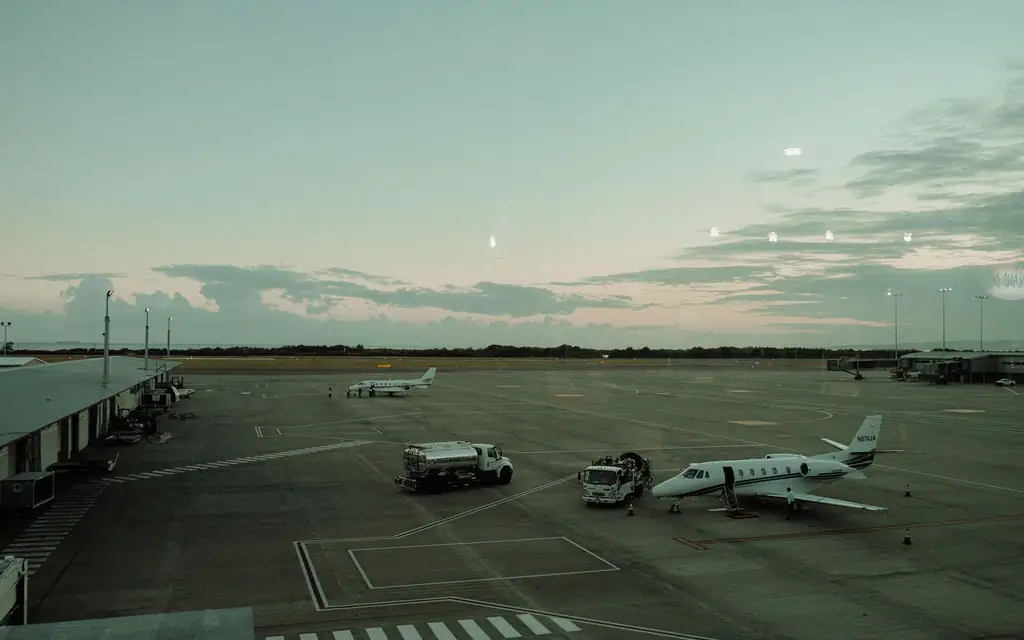
Afternoon in New York. If the team flies private, Teterboro lies about 19 km (12 miles) north-northwest of Midtown, typically 30 to 60 minutes by road depending on the crossing and the hour; see Teterboro and private jet car service. By rail, the car meets the team at Penn Station, and the chauffeur needs the exact exit and the coach number.
Whichever mode you choose, the New York car should be booked to start well before the scheduled arrival. A plane that lands early or a train that arrives on time with the team at the front of the platform should never wait for a car.
Planning a roadshow leg now? Price the car here; the fare is confirmed before you pay.
Backup cars: when a second vehicle pays for itself
A standby vehicle is insurance against a single point of failure. It is worth booking when:
- The party splits. A banker needs to reach a different office, or a junior team member carries materials ahead.
- The day has no slack. Eight meetings with 15-minute buffers leave no room for a flat tyre or a blocked street.
- Luggage is involved. On a city-change day, a second car can take bags straight to the airport or station while the principals finish their last meeting.
- The meetings are spread out. Suburban fund offices, common around Boston and in Connecticut, are far from any taxi rank.
When it is not worth it: a compact day in one district, with meetings a short walk apart. Honest planning means saying so. Our standard roadshow car service can add a standby on request, with availability confirmed at booking.
Choosing vehicles for your roadshow car service
| Party | Vehicle | Why |
|---|---|---|
| CEO and CFO | First Class Sedan | Quiet rear cabin for calls and notes |
| Management plus two bankers | Luxury SUV, up to 6 passengers | One car keeps the team together |
| Full deal team with luggage | Executive Sprinter, 12 to 14 passengers | One arrival, bags on board |
| Advance person or materials | Executive Sedan | Runs ahead without disturbing the main car |
A Sprinter van with driver is ideal for a large team on a city-change day, but it is less nimble at tight Midtown curbs. Many coordinators pair an SUV for the principals with a Sprinter for the wider team and luggage.
Confidentiality: protect the itinerary, not just the conversation
Who is on the road, which investors they meet and when can be sensitive before a deal is announced. Public companies also operate under Regulation FD, which requires an issuer that discloses material nonpublic information to certain market professionals or shareholders to make it public, simultaneously for intentional disclosures and promptly otherwise (17 CFR 243.100, eCFR). Compliance is a matter for the company's counsel, not the chauffeur, but it explains why deal teams treat every setting, including the back seat, with care.
Practical rules for the ground plan:
- Book under an alias and keep company names off name boards.
- Share the minimum. The desk needs times, addresses, passenger numbers and luggage, not the transaction.
- Ask for NDAs with the operators in each city; they are signed on request.
- Keep the same chauffeur through a city where possible, so fewer people see the schedule.
Our guide to discreet travel with NDAs and aliases covers the process in detail.
When the schedule breaks
Every roadshow has a bad hour. Prepare responses before it arrives:
- A meeting runs long. The coordinator tells the desk; the desk moves the car and, if needed, alerts the next office.
- A meeting is cancelled. Keep the car. A free hour is often filled by a new meeting within minutes.
- A flight is delayed. Flight tracking moves the pickup automatically, and the free waiting allowance covers the first 30 minutes after a domestic landing and 60 minutes after an international one.
- Weather closes an airport. Have the rail alternative priced in advance, with a car able to meet the team at the station instead of the FBO.
- A principal is unwell. The standby car takes the affected person to the hotel or a clinic while the rest of the team continues.
- A city is added. The desk can book a new city on the same itinerary and the same invoice. See global chauffeur service.
After the roadshow
Ask for one invoice per roadshow, with each city listed separately so the cost can be allocated to the deal. Note what worked in each city, which entrances, which chauffeurs, which hotels, and send it to the desk for the next roadshow. Teams that hold board meetings and AGMs in the same cities can reuse the same plan; see our guides on board meeting transportation and executive car service standards, plus executive chauffeur service and New York limo service.
Cancellation is measured from each scheduled pickup: free with more than 72 hours' notice, 10% inside 72 hours, 50% inside 48 hours and 100% inside 24 hours or on a no-show. Because roadshow calendars move, tell the desk about changes the moment the coordinator knows.
Sources
- eCFR: 17 CFR 230.433, including the definition of a road show
- eCFR: 17 CFR 243.100, Regulation FD general rule
- eCFR: 14 CFR 135.1, Applicability of Part 135
- Amtrak: Acela
- MTA: Congestion Relief Zone, Taxis and For-Hire Vehicles
Frequently asked questions
How far ahead should roadshow cars be booked?
As soon as the cities and dates are known, even if meeting times are still moving. Confirm the vehicles first and send the detailed run sheet later. On busy dates in financial centers, early booking is what secures the right vehicle class and a standby car.
Should a roadshow be booked by the hour or per transfer?
Usually by the hour for meeting days, because the team moves every hour or so and the car waits at each building. Airport and station legs at the start and end of a city can be fixed transfers. The online booker prices both.
How many minutes should we allow between investor meetings?
Allow for the drive, curbside arrival and lobby security, not just distance. In large towers, plan 10 to 15 minutes from the curb to the meeting room. At busy times, we plan 30 to 40 minutes door to desk even for a short city hop.
Can the same chauffeur cover several cities?
Not usually. Each city is served by a vetted local operator, which is what keeps routes and entrances familiar. The desk briefs each chauffeur from the same run sheet, so the team experiences one consistent service, with the same confirmation format and one invoice for every city.
How do we keep a roadshow confidential?
Book under an alias, keep company names off name boards, share only logistics with the desk, and ask for NDAs with each operator. Keeping the same chauffeur through a city also limits how many people see the schedule, and the run sheet should circulate only to those who need it.
Can you combine a private jet leg with cars in two cities?
Yes. The desk books cars at both ends and coordinates with the charter request. Flights are operated by licensed air carriers; LimousineWorldwideDirectory.com acts as booking agent. Vehicle access to the aircraft depends on the airport and the operator, so it is confirmed in advance.
Plan the rest of the trip
 Booking WorldwideOnline travel agency · our travel desk partner
Your chauffeur is booked here. Book the rest of the trip in one place: hotels, flights, resorts, activities, packages and car rentals in every country.
Plan your trip