 United StatesJFK
 MexicoMEX
 BrazilGRU
 ArgentinaEZE
 ChileSCL
 ColombiaBOG
 PeruLIM
 PanamaPTY
 Costa RicaSJO
 Dominican RepublicPUJ
 JamaicaMBJ
 BahamasNAS
 BarbadosBGI
 United KingdomLHR
 IrelandDUB
 FranceCDG
 GermanyFRA
 NetherlandsAMS
 BelgiumBRU
 SwitzerlandZRH
 AustriaVIE
 ItalyFCO
 SpainMAD
 PortugalLIS
 GreeceATH
 TurkeyIST
 DenmarkCPH
 SwedenARN
 NorwayOSL
 FinlandHEL
 PolandWAW
 Czech RepublicPRG
 HungaryBUD
 IcelandKEF
 United Arab EmiratesDXB
 QatarDOH
 Saudi ArabiaRUH
 IsraelTLV
 EgyptCAI
 MoroccoCMN
 South AfricaJNB
 KenyaNBO
 NigeriaLOS
 IndiaDEL
 PakistanLHE
 Sri LankaCMB
 SingaporeSIN
 MalaysiaKUL
 ThailandBKK
 VietnamSGN
 PhilippinesMNL
 IndonesiaCGK
 Hong KongHKG
 ChinaPVG
 TaiwanTPE
 JapanHND
 South KoreaICN
 AustraliaSYD
 New ZealandAKL
FBO car service is the ground half of a private flight: a chauffeur who meets you at the fixed-base operator, the private terminal where business aircraft park, rather than at an airline curb. The premium version is the planeside pickup, where the car drives onto the apron and parks a few steps from the aircraft door. Bags go straight from the hold to the trunk, and the passenger never walks through a lobby.
Whether that is possible depends on rules set by the airport operator, the FBO and, on international flights, border agencies. This guide explains who decides, what a chauffeur needs before a car can go airside, and how to plan a pickup that works even when the answer is "meet us at the door."
What is an FBO car service?
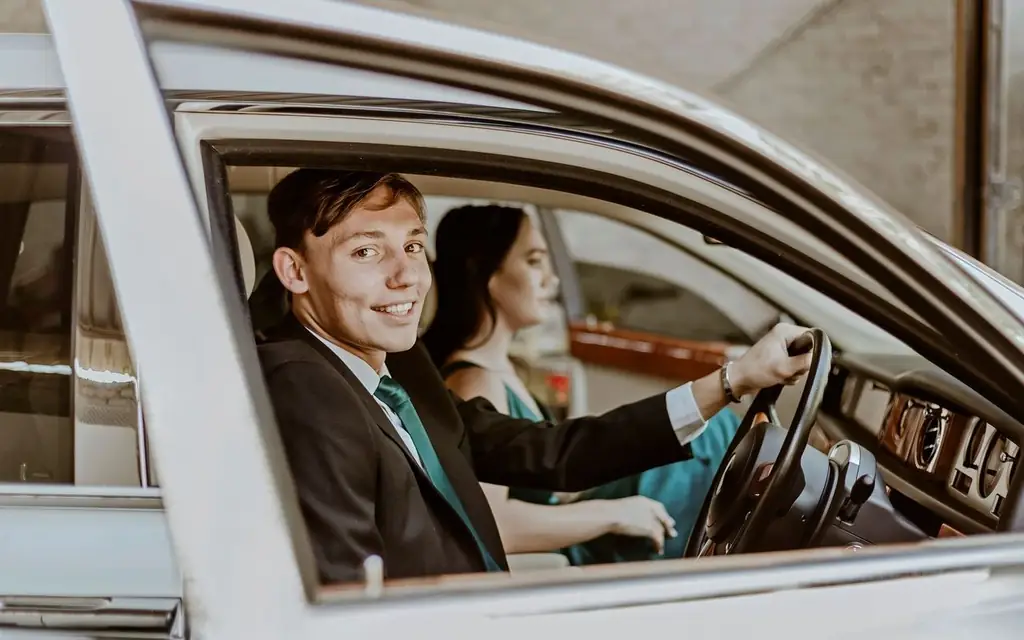
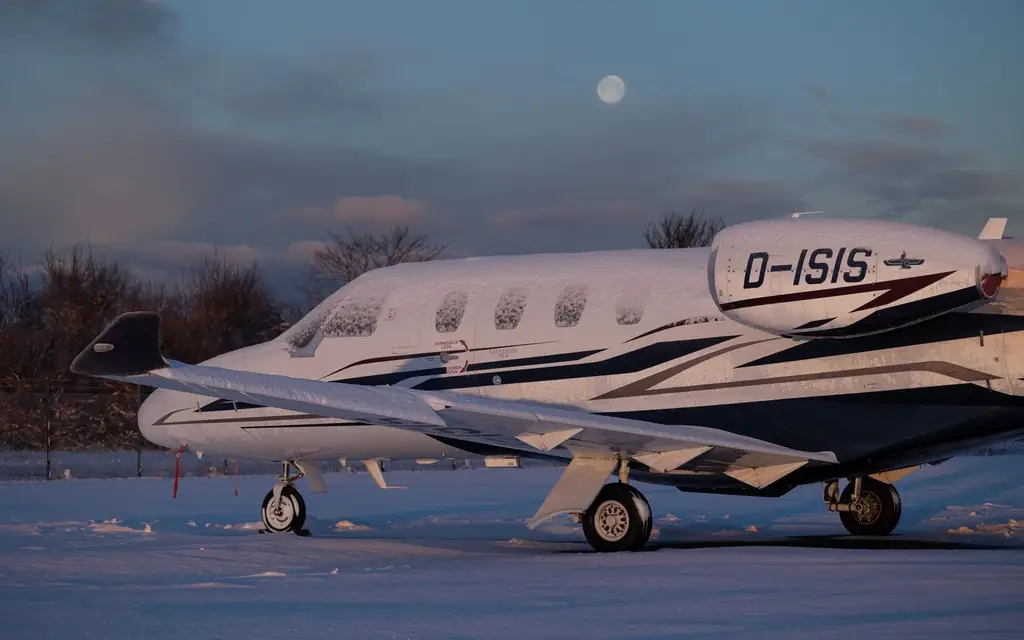
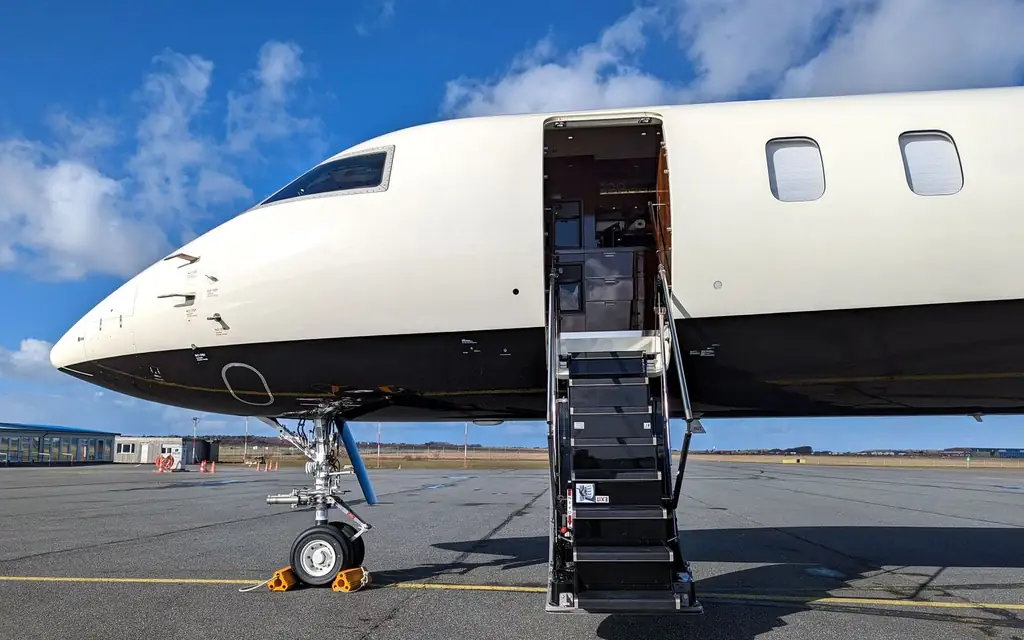
An FBO car service is a chauffeured pickup or drop-off at a private aviation terminal. The driver tracks the tail number, waits at the FBO and loads bags from the aircraft or lounge. Where the airport and FBO allow it, the car can drive onto the ramp for a planeside pickup; otherwise the meeting point is the FBO entrance.
It differs from an ordinary airport transfer in three ways. The driver works from the operator's live arrival estimate and tail number rather than an airline flight number. The pickup point is a specific FBO, often one of several on the same field with different entrances. And the passenger's time on the ground is measured in minutes, so the car has to be in position before the aircraft blocks in.
Our private jet car service is built around exactly that workflow. If you are new to private terminals, our sibling guide on what an FBO is explains the building itself.
Where are planeside pickups allowed?
There is no universal rule. Access to the apron is decided by the airport operator's security and vehicle rules and by the individual FBO's own policy, and the answer can differ between two FBOs on the same airport.
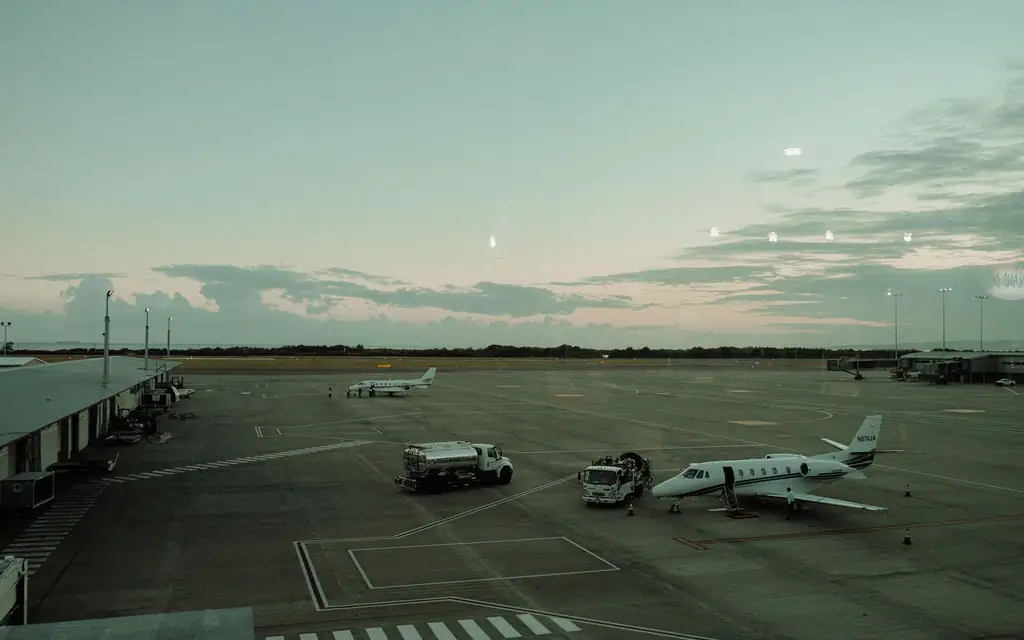
FBO consultant Douglas Wilson, writing in Aviation Pros, describes ramp access for third-party ground transportation as "a privilege, not a right," and argues that FBOs are wise to set limits. He recommends restricting access to companies with a demonstrated need that meet the FBO's security and insurance requirements, and he describes FBOs ruling out taxi and rideshare drivers more or less immediately.
Some airports market planeside access as a feature. Farnborough, the UK business aviation airport, says on its passenger page that it offers the ability to drive directly to your awaiting aircraft, with customs, immigration and screening handled on site.
| Situation | Typical car meeting point | Why |
|---|---|---|
| US domestic arrival at a business airport FBO | Planeside if the FBO approves the car company; otherwise FBO front door | FBO policy and airport vehicle rules decide |
| International arrival into the US | FBO door or designated area after clearance | Passengers and bags must clear customs first |
| UK or European business aviation terminal | Varies by airport; some offer drive-to-aircraft | Airport security program and handling agent rules |
| Private jet parked at a major airline airport | Usually the FBO or general aviation terminal curb | Busier aprons and stricter vehicle control |
| Unapproved driver or rideshare | Curbside only | No sponsorship, insurance on file or escort |
The security rules behind the gate
In the United States, commercial-service airports operate under TSA security programs, and the apron at many of them sits inside a secured area or a Security Identification Display Area (SIDA). Under 49 CFR 1542.211, a person in a secured area or SIDA must continuously display the airport-issued identification on the outermost garment above waist level, or be under escort. Only individuals with unescorted access authority may escort, and an escorted person must be continuously accompanied or monitored.
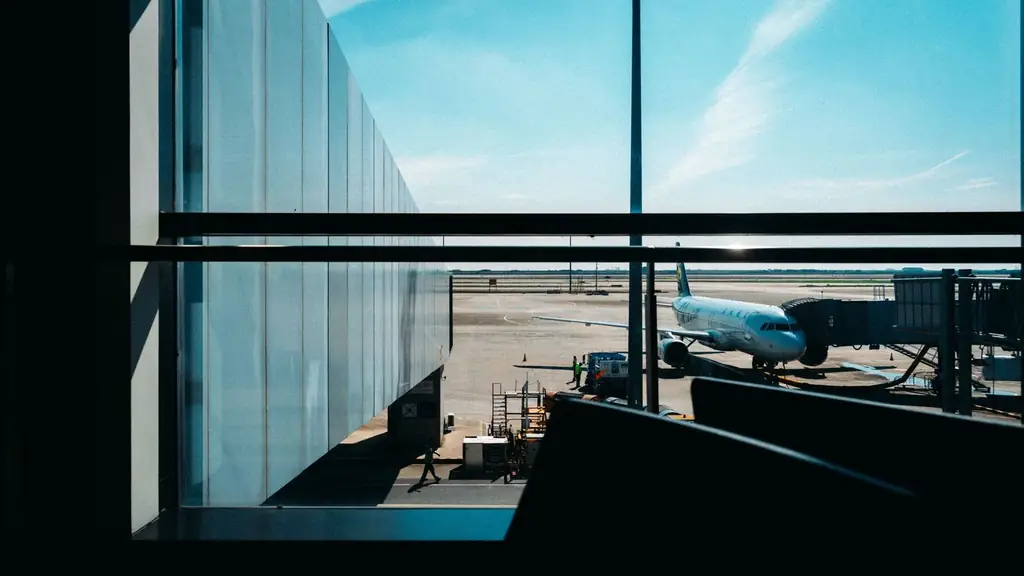
Vehicle movement is governed by the airport too. The FAA's Advisory Circular 150/5210-20A gives airport operators guidance on training programs for safe ground vehicle operations and pedestrian control on the movement and safety areas. That is why approved drivers at many fields go through airport driving training, follow marked vehicle routes and speed limits, and obey ramp marshals without question.
Security requirements differ from airport to airport, and the FBO still controls its own ramp. In practice, the chauffeur either holds credentials for that airport, or an FBO line-service employee escorts the car from the gate to the aircraft and back.
What the chauffeur needs for ramp access
When an FBO allows planeside pickups, it usually expects the car company, not the passenger, to have done the paperwork in advance. Based on the practices Wilson describes and common airport vehicle rules, expect some combination of:
- Sponsorship or approval by the FBO. At the Washington-area FBO in Wilson's example, limousine drivers had to be sponsored by the FBO and complete the same background checks and driver training the airport authority required.
- Insurance certificates. Wilson describes FBOs requiring certificates naming them as additional insured, verified annually.
- Vehicle and driver details. Plate number, make and color, driver's name and license, sent with the booking so the gate can match them.
- An escort or a badge. Either airport-issued credentials or an FBO escort for the whole time the car is airside.
- Ramp discipline. Low speed, hazard lights where required, no driving under wings or near engines, and parking exactly where the line crew directs.
- Access fees. Some FBOs charge an access or concession fee for approved ground transport providers, which Wilson also notes.
This is why planeside access is easiest with a company that already works that airport regularly. LimousineWorldwideDirectory.com books through vetted, licensed and commercially insured local operators, and the desk confirms with the FBO which arrangement applies before your flight. Our why book with us page explains how operators are screened.
International arrivals: why the car sometimes waits
On a flight arriving from abroad, border agencies come first. In the US, the pilot must secure permission to land from the CBP port of arrival, according to CBP's general aviation processing page, and the aircraft and its occupants are processed on arrival. CBP's general aviation preclearance guide gives a sense of how strict the sequence is: when a precleared aircraft diverts and re-inspection is needed, travelers must be kept in a separate place and baggage kept together and unopened at the landing area until officers arrive.
For the car, that means a planeside meeting usually happens after clearance, not at engine shutdown, and sometimes the FBO directs the car to the lobby instead. Some arrival airports work differently: a flight precleared at Shannon or arriving at a field with on-site customs in the terminal, such as Farnborough, can shorten the wait considerably. Your operator and FBO know which process applies.
Need a car at the FBO for your next flight? Price it here; the fare is confirmed before you pay.
Planning a planeside pickup: what to send the desk
The best pickups are planned with the same precision as the flight. Send:
- Departure and arrival FBO names, not just airport codes.
- Tail number and operator name, so the driver can track the aircraft and the FBO can match the car to the arrival.
- Estimated block-in time and the operator's contact for updates.
- Passenger count and baggage, including golf bags, skis or crates; a Sprinter van with driver or a second car may be needed.
- Privacy instructions. No name board, a code name, or a vehicle without branding. Our VIP and celebrity chauffeur service handles low-profile arrivals.
- Whether you want planeside or FBO-door pickup, so we can request access in advance rather than on the day.
Departures work in reverse. For a planeside drop-off, the car follows the same approval and escort process, and the line crew usually takes bags from the trunk to the aircraft hold while the crew checks identification. If the FBO does not allow cars airside, the driver unloads at the lounge entrance and the FBO staff move the bags. Either way, tell the desk the scheduled departure time and the time the crew wants passengers on board, because the car should arrive before boarding opens, not at the slot time.
Same-day returns. If you fly out and back on the same day, consider keeping one car and driver on hourly, as-directed time. The driver already holds the FBO approval and knows the gate, which removes the access paperwork for the second pickup.
Our free waiting time is 60 minutes after international landings, 30 minutes after domestic landings and 15 minutes for other pickups, and it starts from the actual landing, which matters when a headwind adds 20 minutes.
Airport examples and drive times
A few of the business airports where clients most often ask for FBO pickups, with typical drive times:
- Teterboro (TEB), New Jersey. To Midtown Manhattan about 20 km (12 miles), 30 to 60 minutes. Several FBOs operate on the field; see our Teterboro FBO guide and New York limo service.
- Van Nuys (VNY), Los Angeles. To Beverly Hills about 26 km (16 miles), 25 to 50 minutes. See the Van Nuys FBO guide.
- Farnborough (FAB), England. To Mayfair about 64 km (40 miles), about 65 minutes in light traffic and longer at peak; drive-to-aircraft is offered by the airport. See the Farnborough FBO guide and London chauffeur service.
- Paris Le Bourget (LBG). To Place Vendôme about 23 km (14 miles), 35 to 60 minutes. See the Le Bourget guide.
- Palm Beach (PBI), Florida. To Worth Avenue about 9 km (6 miles), 15 to 25 minutes. See the Palm Beach FBO page.
The full list of private aviation pages is on our private aviation hub.
When planeside is not worth pushing for
Planeside pickups are lovely, but they are not always the fastest or most discreet option. At a busy FBO on a major event weekend, cars may be held at the gate for escorts while the lobby route takes two minutes. On international arrivals the car often cannot approach until clearance is complete anyway. And a single traveler with a carry-on gains little from the ramp.
The FBO door is not a downgrade. A good meet and greet at the lounge entrance, with the driver taking bags from the line crew, delivers almost the same experience. For a broader look at how the flight and the car are coordinated as one itinerary, see our sibling guides on door-to-door private travel and airport meet and greet services.
If you are still choosing the flight, the private jet charter desk can arrange both. LimousineWorldwideDirectory.com acts as a booking agent for flights, which are operated by licensed air carriers holding operational control; for ground transport, the online booker shows the exact fare before you confirm.
Sources
- Aviation Pros: Best practices in FBO management, ground transportation (Douglas Wilson)
- Farnborough Airport: For passengers and pets
- Legal Information Institute: 49 CFR 1542.211, identification systems
- Federal Aviation Administration: AC 150/5210-20A, Ground Vehicle Operations on Airports
- U.S. Customs and Border Protection: General Aviation Processing
- U.S. Customs and Border Protection: Preclearance of General Aviation Summary Guide
Frequently asked questions
Can my chauffeur drive right up to the private jet?
Sometimes. It depends on the airport's security and vehicle rules and on the FBO's own policy. Some FBOs approve specific car companies whose drivers hold credentials or are escorted; others keep all cars at the front door. We confirm the arrangement with the FBO before your flight and tell you where the driver will meet you.
Why can't an Uber or taxi pick me up planeside?
FBOs generally limit ramp access to ground transport companies they have approved, with insurance certificates on file and drivers who are sponsored, trained or escorted. Rideshare and taxi drivers have no such arrangement, so they are typically limited to the curb. A pre-booked private jet car service avoids that problem.
Does a planeside pickup work on international arrivals?
Usually only after border clearance. Customs officers process passengers, bags and the aircraft first, and the FBO then directs the car. Some airports with on-site customs in the private terminal make the process quick, and a flight precleared abroad can arrive like a domestic one. Your operator and FBO know which process applies.
What information does the FBO need about my car?
Typically the car company's name, the driver's name, the vehicle's make, color and plate, and the aircraft's tail number and arrival time. Some FBOs also require proof of insurance and prior approval. Sending these details with the booking avoids delays at the airport gate.
Is there an extra charge for ramp access?
Some FBOs charge approved ground transport providers an access or concession fee, while others do not. If a fee applies, it is part of the arrangement between the FBO and the car company. Our desk confirms the pickup arrangement in advance, and the booker shows the exact fare before you confirm.
How long will the chauffeur wait if my flight is late?
The driver tracks the aircraft and adjusts to the actual landing time. Free waiting is 60 minutes after international landings, 30 minutes after domestic landings and 15 minutes for other pickups. Because the clock starts from the actual landing, an early or late arrival does not cost you waiting time.
Plan the rest of the trip
 Booking WorldwideOnline travel agency · our travel desk partner
Your chauffeur is booked here. Book the rest of the trip in one place: hotels, flights, resorts, activities, packages and car rentals in every country.
Plan your trip