
 United StatesJFK
 MexicoMEX
 BrazilGRU
 ArgentinaEZE
 ChileSCL
 ColombiaBOG
 PeruLIM
 PanamaPTY
 Costa RicaSJO
 Dominican RepublicPUJ
 JamaicaMBJ
 BahamasNAS
 BarbadosBGI
 United KingdomLHR
 IrelandDUB
 FranceCDG
 GermanyFRA
 NetherlandsAMS
 BelgiumBRU
 SwitzerlandZRH
 AustriaVIE
 ItalyFCO
 SpainMAD
 PortugalLIS
 GreeceATH
 TurkeyIST
 DenmarkCPH
 SwedenARN
 NorwayOSL
 FinlandHEL
 PolandWAW
 Czech RepublicPRG
 HungaryBUD
 IcelandKEF
 United Arab EmiratesDXB
 QatarDOH
 Saudi ArabiaRUH
 IsraelTLV
 EgyptCAI
 MoroccoCMN
 South AfricaJNB
 KenyaNBO
 NigeriaLOS
 IndiaDEL
 PakistanLHE
 Sri LankaCMB
 SingaporeSIN
 MalaysiaKUL
 ThailandBKK
 VietnamSGN
 PhilippinesMNL
 IndonesiaCGK
 Hong KongHKG
 ChinaPVG
 TaiwanTPE
 JapanHND
 South KoreaICN
 AustraliaSYD
 New ZealandAKL
Can you get to the Arashiyama Bamboo Grove by car?
Yes, as far as the edge of the Arashiyama district. The bamboo path itself is a pedestrian lane, so a chauffeur stops at a permitted point nearby and you walk the last few minutes. From Kyoto Station the drive is about 10 km (6 miles) and takes 25 to 45 minutes depending on traffic.
That short answer hides the part that decides the quality of your morning. Arashiyama sits on the western side of Kyoto, and its roads were never designed for the number of visitors who arrive between mid-morning and mid-afternoon. A private tour with driver works here not because the car reaches the bamboo, but because it removes the bus queue, the station crush and the guesswork about where to be and when.
This guide is written for a traveler who will arrive by private car and wants specifics: the route, the stopping points, the tickets that matter, and an hour-by-hour way to see the grove at its best. Read it alongside our wider page on a private tour with driver, then adjust the plan to your hotel and your pace.
The 400 metres that everyone photographs
The Sagano bamboo path is a paved lane of roughly 400 metres (a quarter of a mile) running between the north gate of the Tenryu-ji temple grounds and the approach to the Okochi Sanso villa. Tall moso bamboo closes overhead and the light turns green and filtered, which is the image in every guidebook. There is no gate on the lane, no ticket and no closing time; it is a public path through a residential and temple district.
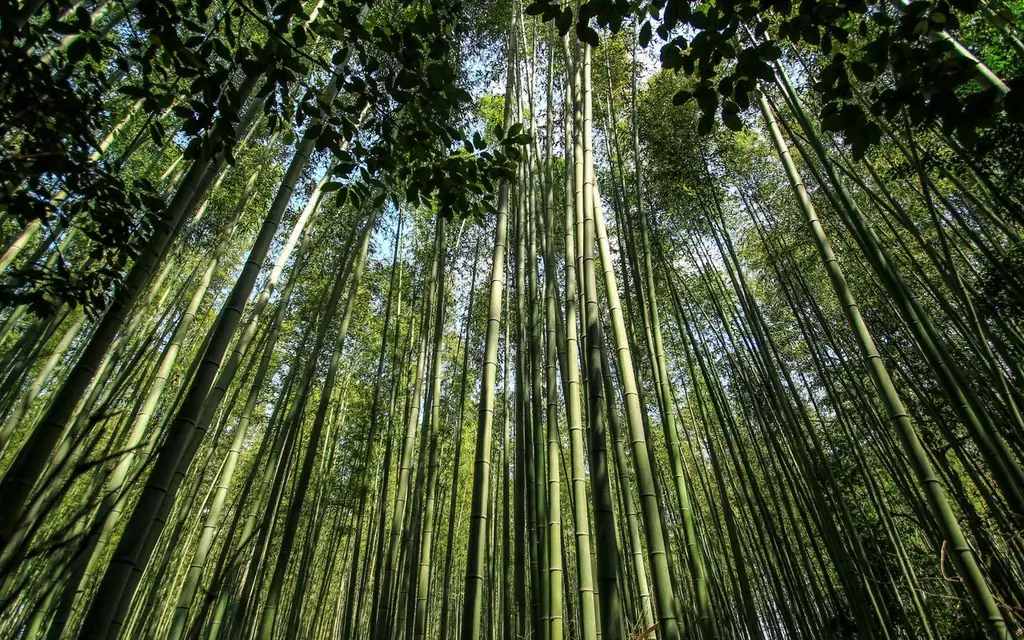
Because it is free and always open, there is also no timed entry and no crowd control. The only variable you can manage is the hour. The surrounding sights do charge and do close: Tenryu-ji, the Okochi Sanso garden, the monkey park on the hill and the scenic railway all have their own schedules.
Tenryu-ji is the anchor of the district and is registered as a UNESCO World Heritage Site, according to the temple's own website at tenryuji.com. Its garden and north gate ticket office sit directly beside the bamboo lane, which matters for planning: a visit to the garden and a walk through the grove can be one continuous movement rather than two separate trips.
Kyoto Station to Arashiyama: the road, the clock and the traffic
By road, Arashiyama is about 10 km (6 miles) west of Kyoto Station. On a quiet weekday before 8:00 a.m. the drive is nearer 25 minutes. At mid-morning on a weekend in cherry blossom season or in the second half of November, expect 40 minutes or more, with the final kilometre the slowest.
The Kyoto City tourism site itself warns that the route to Arashiyama tends to be crowded because of the number of sights and souvenir shops along it, and it suggests spreading visitors across different routes (see the official Kyoto Station to Arashiyama guide). For a car, that translates into a simple rule: go early, and leave before the afternoon surge.
Hotels in central Kyoto, Gion and the Kyoto Station area all work as pickup points. Your chauffeur will track the traffic on the day and adjust the departure time so that you arrive at the lane ahead of the first tour groups, which in busy seasons begin to fill the path from about 10:00.
From Kansai and Itami airports to the grove
Kyoto has no airport of its own. Visitors arrive through Osaka's two airports and sometimes through Tokyo.
- Kansai International (KIX): about 100 km (62 miles) from Kyoto by road, typically 1.5 to 2 hours depending on the expressway traffic on the way in. Add a further 25 to 45 minutes if Arashiyama is your first stop rather than your hotel.
- Osaka Itami (ITM): about 42 to 50 km (26 to 31 miles) from central Kyoto, usually 45 to 60 minutes, then the same western leg to Arashiyama.
Most travelers drop luggage at the hotel first. If you land early in the morning and want the grove before the day crowds arrive, say so at booking: the desk can plan a direct run with your bags secured in the vehicle and the grove as the first stop, with flight tracking so the pickup follows your actual arrival. For a general view of our airport coverage, see the airports directory; our Asia-Pacific network is outlined in the Asia-Pacific directory.
Where the car stops and what the driver does next
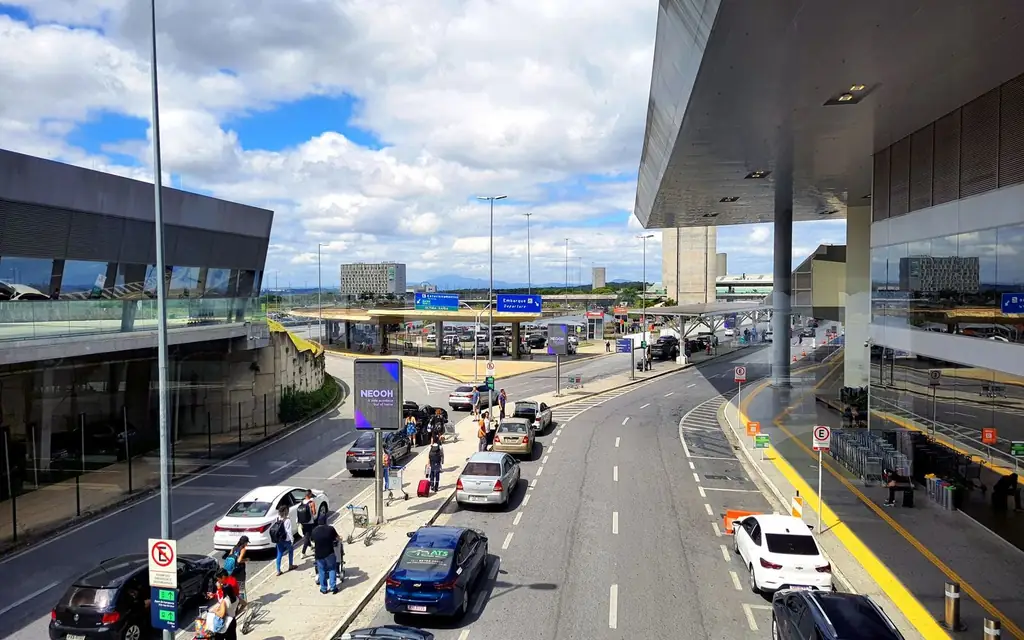
Be realistic about this part. There is no road through the grove, and the lanes around Tenryu-ji and the Togetsukyo bridge are narrow, busy and subject to day-to-day control. A chauffeur cannot promise a particular curb.
What works in practice:
- Drop-off close to the temple precinct. The driver stops where it is safe and legal near the Sagano side, and you walk in. The lane is a few minutes on foot from most drop-off points.
- Waiting at a car park. Tenryu-ji operates its own parking area; its website lists capacity for about 100 cars, hours of 8:30 to 17:00, no reservations, and a per-car fee (as of 2026). Public car parks are also scattered around the Togetsukyo bridge and the riverbank. The car waits while you walk, or the driver stays reachable by phone and returns when you call.
- Pickup at a different point. The lane ends at the Okochi Sanso approach, and many visitors prefer to walk through in one direction and be collected at the far end rather than doubling back. Agree the plan with the driver before you set off.
Do not plan on idling at the roadside. Local rules and the sheer volume of pedestrians make short waiting unreliable between about 10:00 and 15:00.
Tickets, hours and what is genuinely free
The bamboo lane costs nothing. Everything around it is a separate decision.
- Tenryu-ji garden: open 8:30 to 17:00, with last admission at 16:50; the garden fee is listed on the temple site as 500 yen for high school age and above, with an additional 300 yen to enter the halls (as of 2026). A separate painted-dragon viewing in the Dharma Hall costs extra and runs on weekends, holidays and in set seasons.
- Scheduled closures in late October 2026: the temple lists a closure on 29 and 30 October 2026, and the Dharma Hall is closed to the public from 28 to 30 October. If you travel this week, the grove is still open but Tenryu-ji is not.
- Okochi Sanso garden: a villa garden at the far end of the lane, with its own entry fee and hours; ask your chauffeur to confirm them on the day. The Sagano area tourism page for Tenryu-ji lists the temple's hours and fees in English.
Travelers often ask about timed entry. For the grove there is none. For Tenryu-ji and the villa, tickets are bought on the spot, and the temple warns that its buildings are occasionally closed without notice, so build a little slack into the plan. The temple's phone line is staffed 8:30 to 17:00 if you need a check on the day.
The 7 a.m. rule: best hour, season and day
The path is always open, which means the right time to walk it is whenever few people are there. Dawn to about 8:00 is the quiet window. By 10:00 on most days from March to November the lane is full of tour groups, and the slow shuffle ruins the one thing you came for.
A rough calendar for a car-based visit:
- Early spring and early summer: the best balance of green light and manageable crowds.
- Cherry blossom weeks and the autumn color weeks: go at first light or accept a crowd.
- Rainy season and winter: quieter, and the path in light rain has a quality of its own. The air is cold, so dress for it.
- Weekdays: noticeably calmer than weekends and national holidays.
This autumn, there is an extra consideration. The Kyoto tourism site lists an Arashiyama bamboo light-up running from 30 September to 8 November 2026 around Saga Tenryuji (event details at arashiyama-tsukitouro.jp). Evening illumination changes both the atmosphere and the traffic: the roads around the grove get busy again after dark. If you choose an evening visit, book the return transfer for a fixed time rather than leaving it open.
A private tour with driver: one western-Kyoto day
Arashiyama is rarely a full day by itself, and the car comes into its own when you string it with places the train does not link neatly. This is a plan that keeps the grove at the front and uses the car for the longer hops.
- 7:00 to 7:30 – Hotel pickup. Straight to Arashiyama before the district wakes up.
- 7:45 to 9:00 – The grove, then Tenryu-ji. Walk the lane from the Tenryu-ji north gate toward the villa. Take the garden once the temple opens at 8:30.
- 9:00 to 10:30 – Togetsukyo bridge and the river. A short stroll on the water side while the shops are still closed.
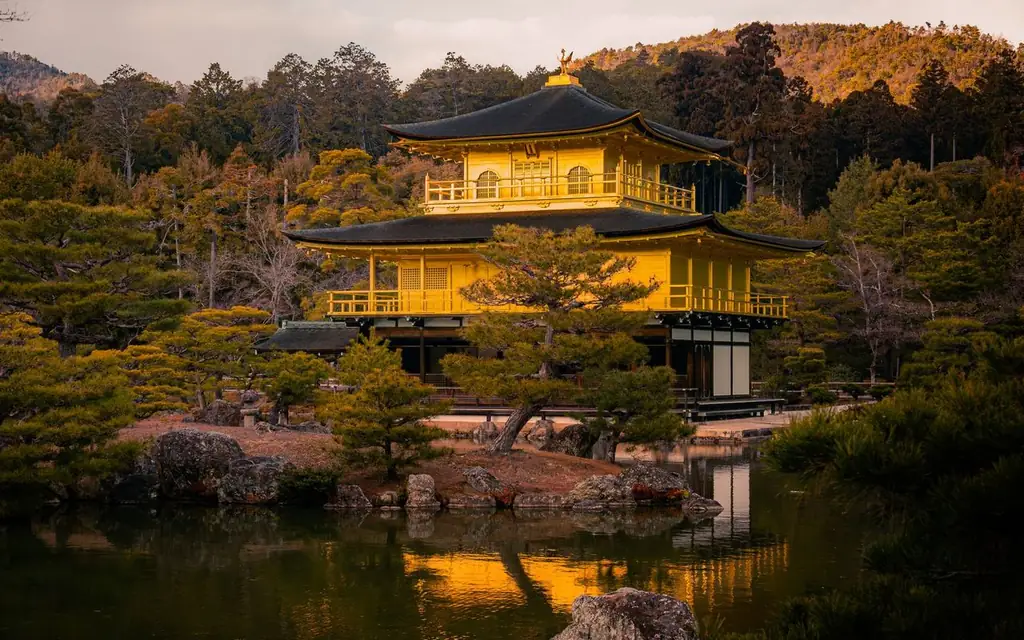
- 10:30 to 11:15 – Transfer to Kinkaku-ji. About 8 km (5 miles), 20 to 35 minutes. Our guide to Kinkaku-ji explains the one-way route and the crowd pattern there.
- 12:00 to 13:30 – Lunch in the city. The driver can wait or leave you at a restaurant of your choice.
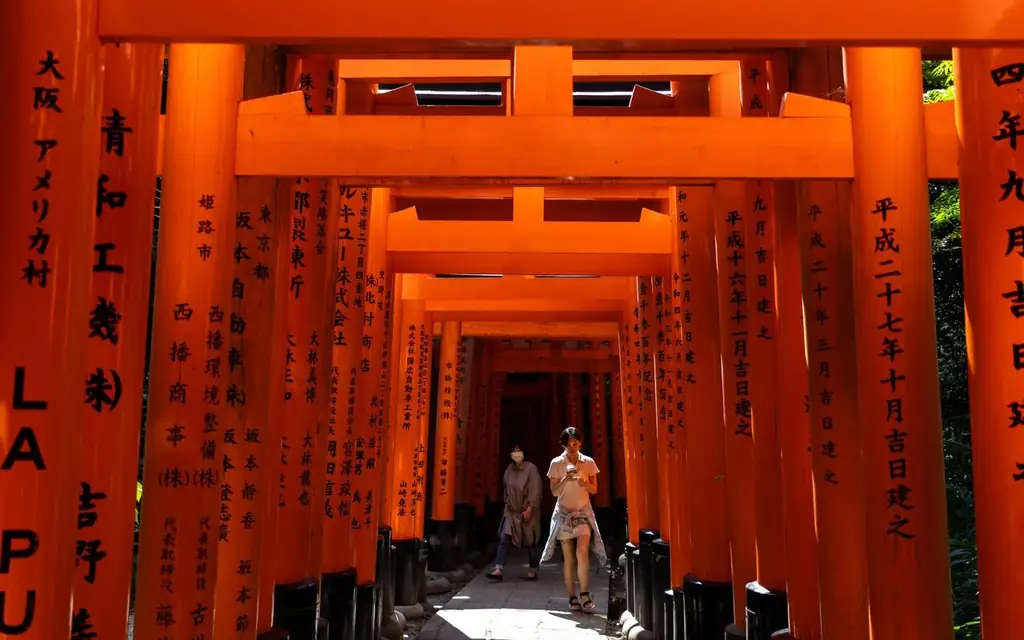
- 14:30 to 16:30 – Fushimi Inari. About 15 km (9 miles), 40 to 60 minutes across the city. Read the guide to Fushimi Inari Taisha before you go, because the gate hike is best taken lightly in the afternoon.
Ask the desk for a vehicle that matches your party: a First Class Sedan or Luxury SUV suits most small groups, and a Sprinter is available for larger families or colleagues, with exact models confirmed at booking.
Accessibility and etiquette on a narrow lane
The lane is paved and mostly level, with a short climb at the temple end. It is passable for wheelchairs and strollers, but the width is limited and the crowds can make progress difficult after about 10:00. Early morning is far more comfortable for anyone with limited mobility.
Behavior matters in a district where people live. Stay on the path, do not pick or lean on the bamboo, keep voices low, and avoid blocking the way for photographs. Tripods and drones are a poor idea.
Arashiyama beyond the grove: Nara and Osaka
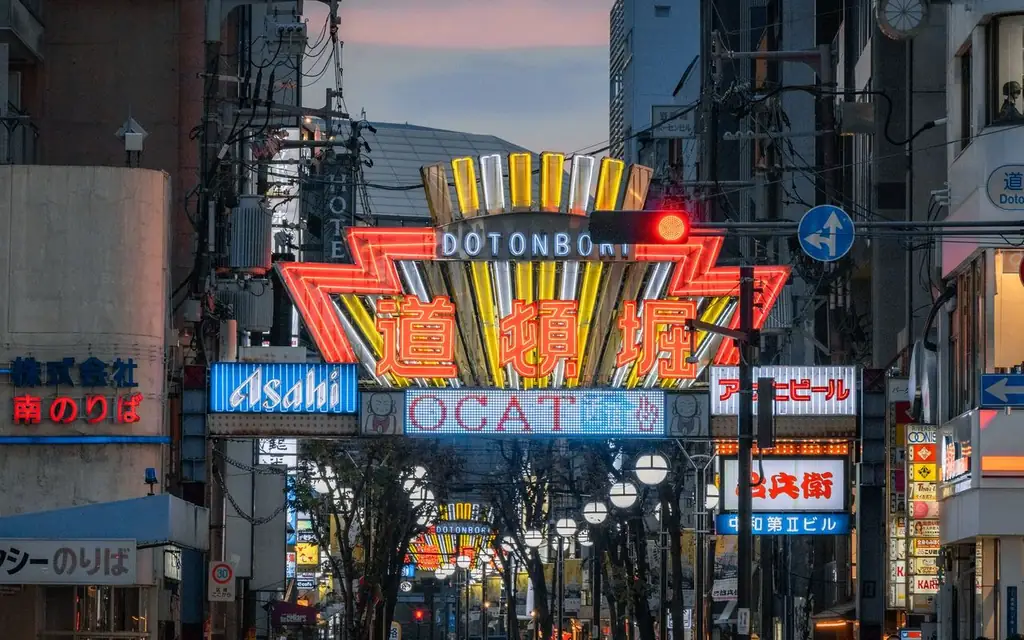
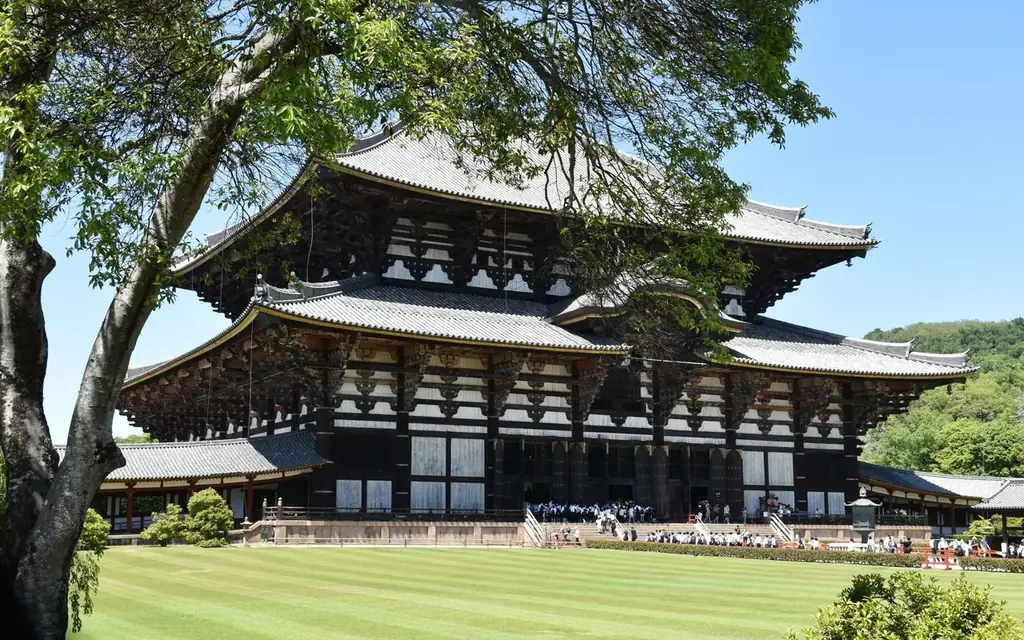
Western Kyoto pairs well with the wider Kansai region. If you have a second day, a car makes the longer circuits easy. Nara is the usual companion trip, with its deer park and giant bronze Buddha, covered in our post on Nara Park and Todai-ji. For city energy at night, see Osaka Castle and Dotonbori. Visitors continuing from Tokyo can find the other end of the journey on our Tokyo chauffeur service page. The long leg between the two cities is a job for the bullet train, not a car.
Tourist offices, tourism boards and visitor bureaus in the region can book chauffeur services for their visitors with LimousineWorldwideDirectory.com through a trade account; details are on the Asia-Pacific tourist offices page.
Train, tram, taxi or chauffeur: the honest comparison
| Option | Typical time from Kyoto Station | Cost note | Best for |
|---|---|---|---|
| JR Sagano Line to Saga-Arashiyama | About 15 minutes, then a 10 to 15 minute walk | Lowest | Solo travelers and anyone who wants the quickest low-cost route |
| Subway plus Randen tram | About 35 minutes with a change | Lowest | Visitors who enjoy the scenery and are not in a hurry |
| City bus | 30 to 45 minutes, unreliable in peak season | Low | Not recommended on weekends; the Kyoto tourism site warns of crowding |
| Taxi or ride-hail | 25 to 45 minutes | Metered | Two or three people at a quiet hour |
| Private chauffeur | 25 to 45 minutes door to drop-off | Fixed fare via the booker | Families, groups with luggage, multi-stop days, early starts |
Be straightforward about the choice. For one traveler with no luggage who wants only the grove, the JR train is quicker and lower in cost, and it avoids the road congestion entirely. The car earns its place when you are carrying luggage, traveling with children or older relatives, adding Kinkaku-ji and Fushimi Inari, or starting before the first trains are crowded.
Frequently asked questions
How far is the Arashiyama Bamboo Grove from Kyoto Station by car?
About 10 km (6 miles), a drive of 25 to 45 minutes depending on the day and the hour. Early weekday mornings are fastest; weekend mid-mornings and autumn color season are slowest.
Can a car drive into the bamboo grove?
No. The lane is a pedestrian path about 400 metres long. Your driver stops at a safe permitted point nearby, or at a car park such as the one Tenryu-ji operates, and you walk the remaining few minutes.
Do I need a ticket or reservation for the Arashiyama Bamboo Grove?
No. The path is free and has no gate or timed entry. Tenryu-ji, the Okochi Sanso villa and other nearby attractions charge their own fees and keep their own hours, so check them on the day.
What is the best time to see the bamboo grove with fewer people?
Arrive before 8:00 a.m. On most days from March to November, tour groups fill the lane by about 10:00. Weekdays are quieter than weekends, and light rain often thins the crowds.
How long should I allow for the grove and Tenryu-ji?
Allow 60 to 90 minutes for the lane and the temple garden, and a half day if you add the bridge, the villa and a riverside walk. A full day lets you add Kinkaku-ji or Fushimi Inari.
Is the Arashiyama light-up worth planning around in 2026?
The Kyoto tourism site lists an Arashiyama bamboo light-up from 30 September to 8 November 2026. If you go, book a fixed return pickup time because the district becomes crowded after dark.
How far is Kansai Airport from Arashiyama?
Roughly 100 km (62 miles) to central Kyoto, then another 25 to 45 minutes to Arashiyama, so allow at least two hours in total. Osaka Itami is closer, at about 42 to 50 km (26 to 31 miles) from central Kyoto.
Can I book a driver for a single morning at Arashiyama?
Yes. Choose your hotel and pickup time in the online booker, which quotes a fixed fare for the exact addresses before you pay. A licensed local operator drives, and our worldwide desk handles confirmation and invoicing around the clock.