 United StatesJFK
 MexicoMEX
 BrazilGRU
 ArgentinaEZE
 ChileSCL
 ColombiaBOG
 PeruLIM
 PanamaPTY
 Costa RicaSJO
 Dominican RepublicPUJ
 JamaicaMBJ
 BahamasNAS
 BarbadosBGI
 United KingdomLHR
 IrelandDUB
 FranceCDG
 GermanyFRA
 NetherlandsAMS
 BelgiumBRU
 SwitzerlandZRH
 AustriaVIE
 ItalyFCO
 SpainMAD
 PortugalLIS
 GreeceATH
 TurkeyIST
 DenmarkCPH
 SwedenARN
 NorwayOSL
 FinlandHEL
 PolandWAW
 Czech RepublicPRG
 HungaryBUD
 IcelandKEF
 United Arab EmiratesDXB
 QatarDOH
 Saudi ArabiaRUH
 IsraelTLV
 EgyptCAI
 MoroccoCMN
 South AfricaJNB
 KenyaNBO
 NigeriaLOS
 IndiaDEL
 PakistanLHE
 Sri LankaCMB
 SingaporeSIN
 MalaysiaKUL
 ThailandBKK
 VietnamSGN
 PhilippinesMNL
 IndonesiaCGK
 Hong KongHKG
 ChinaPVG
 TaiwanTPE
 JapanHND
 South KoreaICN
 AustraliaSYD
 New ZealandAKL
How do you reach Nara Park and Todai-ji with a private driver?
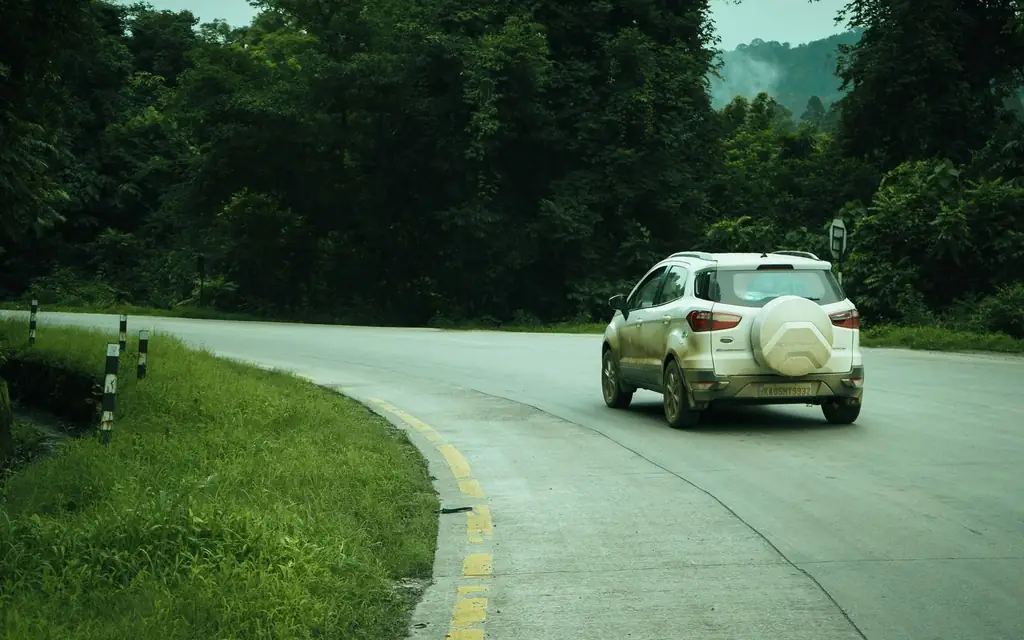
The drive is about 40 km (25 miles) from central Kyoto or Osaka, usually 50 to 80 minutes. Todai-ji has no car park of its own, so a chauffeur drops you at the park edge or at a nearby paid lot and you walk the last stretch among the deer.
Nara is the kind of destination where the arrival matters almost as much as the sights. About 1,300 deer live in the park, according to the Nara City tourism association, and they are legally protected as natural monuments. They do not move aside for cars, and the roads that cross the park are slow, shared and often closed to through traffic. A good private tour with driver is therefore about sequencing: where to leave the car, which gate to enter by, and when to walk.
For other sights across the region, browse the attractions hub. Everything below comes from the temple's own published information or from the Nara tourism office, and anything that changes with the calendar is marked so you can check it. For the wider picture of how we run chauffeured sightseeing across Japan and Asia, start with the private tours with driver page.
Start with the deer, because they will start with you
Nara Park is open all day, every day, and free to enter. The deer live in it as if it were their own, and in a sense it is: they are linked to the Kasuga Taisha shrine as messengers of the gods, a status that has protected them for centuries.
The tourism association's guidance is short and worth reading before you step out of the car (Nara deer etiquette):
- Feed them only the rice-bran deer biscuits sold in the park. Sweets, bread and leftovers harm them.
- Hand biscuits over one at a time and quickly. A deer that can see food it cannot yet reach may bite.
- When the biscuits are gone, show your empty hands and spread your arms.
- Keep plastic bags, maps and leaflets out of reach, because deer will eat paper and plastic.
- Be especially careful with stags in autumn. The association warns that males can become aggressive in that season.
- Supervise small children closely.
Put the deer biscuits in a jacket pocket only when you are ready to be surrounded. Many visitors keep them in a bag until they are away from the busy crossings near the temple approach. The Nara City tourism association publishes current visitor notices for the park and the city.
What you are going to see at Todai-ji
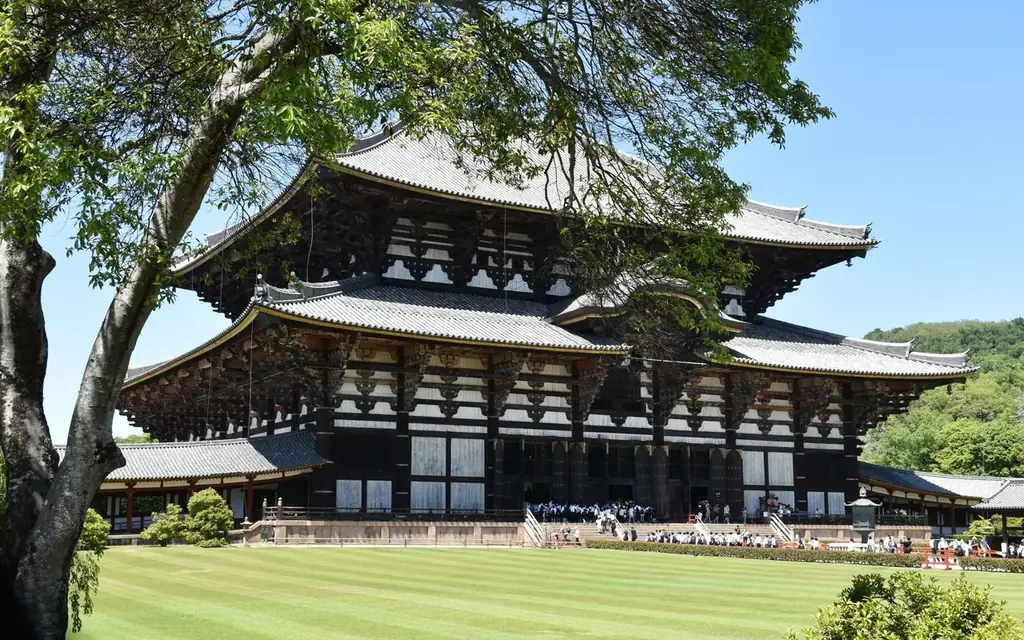
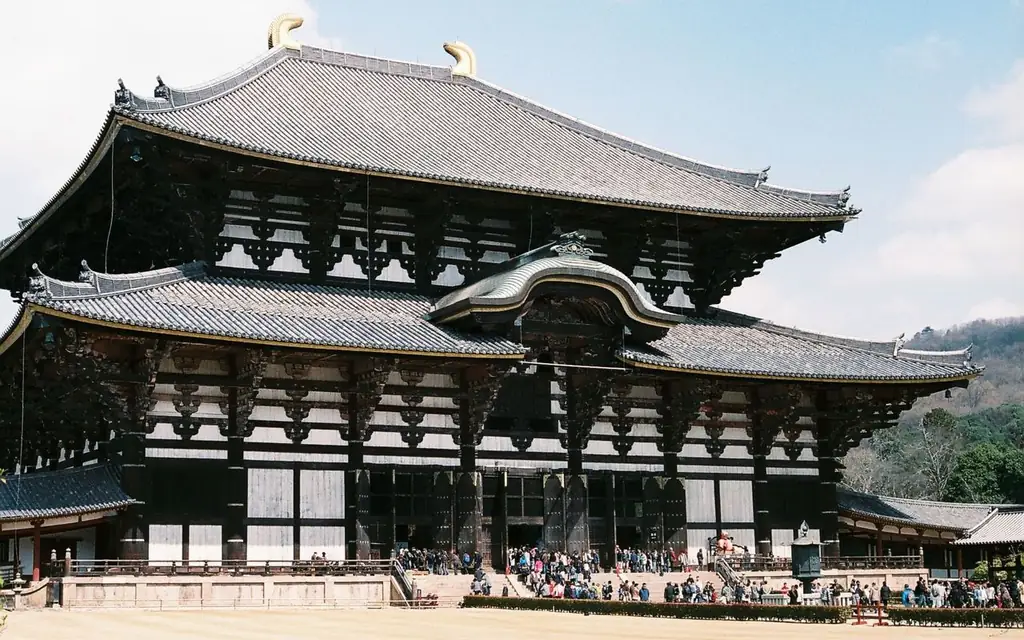
Todai-ji is the reason most people come. The Great Buddha Hall, known as the Daibutsuden, houses a monumental bronze Buddha and is one of the largest wooden buildings in the world. The temple belongs to the Historic Monuments of Ancient Nara, inscribed by UNESCO in 1998. The scale is the point: the hall is enormous, the central gate is huge, and the approach from the south passes under the Great South Gate before the main hall comes into view.
The temple complex also includes the Hokke-do (Sangatsu-do) and the Kaidan-in Senju-do, which have shorter hours, and a museum on the grounds. The official Todai-ji site is the place to confirm anything special on the day, such as ceremonies or temporary closures.
The drive: Kyoto, Osaka and the airports
Nara sits south of Kyoto and east of Osaka, in a basin behind the Ikoma hills. Road times vary with the day, but the pattern is stable.
- From central Kyoto: about 40 km (25 miles). Todai-ji's own access page puts the drive at about 60 minutes from the Kyoto Minami interchange on the Meishin Expressway, using the Keinawa Expressway, so allow 60 to 90 minutes door to door from a city hotel.
- From central Osaka (Namba or Umeda): about 40 km (25 miles), typically 50 to 80 minutes, longer on a weekend afternoon.
- From Kansai International (KIX): roughly 90 km (56 miles), usually 1.5 to 2 hours depending on the expressway traffic around Osaka.
- From Osaka Itami (ITM): roughly 50 km (31 miles), about an hour.
The temple's directions give some useful anchors for a driver: about 7 km south of the Keinawa Expressway's Kizu interchange, about 8 km east of the Horai interchange on the Daini Hanna toll road, and about 10 km north on Route 169 from the Tenri interchange on the Nishi Meihan Expressway. Kansai's two airports are covered in our airports directory, and the rest of the region sits in the Asia-Pacific directory. A local chauffeur works from the navigation system, but the numbers confirm that the temple is a short, signposted run off the expressway network rather than a cross-country trip.
There is no car park at the temple: where the car actually goes
The official access page is blunt: there is no parking lot at Todai-ji. It points visitors to the paid GS Park Todai-ji Saidaimon parking lot (6-1 Oshiagecho, Nara City), served by the Gurutto Bus at a flat 100 yen fare. Motorbikes and bicycles use a separate lot southwest of the Great South Gate and cannot be pushed into the precinct.
In practice, a chauffeur will do one of three things:
- Drop-off near the park edge. The driver stops where it is safe and legal near the Nara Park approach. You walk about 5 to 15 minutes to the Great South Gate, depending on where you are set down.
- Drop-off and wait at a public lot. The car waits at a paid car park such as the Saidaimon lot, or in a nearby lot the driver prefers on the day, and returns on call.
- Drop at one end, pick up at another. A common plan is to enter the park from the west near Kintetsu Nara Station, walk through the temple and the park, and be collected beside Kasuga Taisha on the far side. This saves doubling back through the busiest part of the park.
Do not count on stopping at the roadside beside the Great South Gate. It is a pedestrian zone for most of the day, with tour groups and school parties passing through.
Hours and entrance fees, as of 2026
Nara Park has no gate and no ticket. Todai-ji does, and the schedule changes by season. The temple publishes these hours:
- Great Buddha Hall: 7:30 to 17:30 from April to October; 8:00 to 17:00 from November to March.
- Hokke-do and the Kaidan-in Senju-do: 8:30 to 16:00.
- Todai-ji Museum: 9:30 to 17:30 (last admission 17:00) from April to October; 9:30 to 17:00 (last admission 16:30) from November to March.
Admission is charged at the Great Buddha Hall, the Hokke-do, the Kaidan-in and the museum. As of 2026 the individual adult fee is 800 yen, and 400 yen for ages 6 to 12. A joint ticket for the Great Buddha Hall and the museum is listed at 1,200 yen for adults, sold at the museum and at the hall. The temple publishes the full list on its opening hours and admission page.
There is no timed entry or advance booking for the main hall. Plan the hour, not the ticket: arrive when the doors open and you share the hall with fewer school groups.
Best day and hour for a calm visit
The Great Buddha Hall is at its best in the first hour after it opens (7:30 in the warm months, 8:00 in winter). Domestic school groups and tour coaches arrive from late morning and stay through the early afternoon. By noon the central axis between the Great South Gate and the hall is crowded.
A sensible rhythm:
- Early start: temple first, deer afterward, lunch in the park area, then head out before 14:00.
- Late afternoon: the crowds thin from about 15:30, but you have less time inside. The hall closes at 17:00 or 17:30 depending on the season, and the museum stops admitting visitors 30 minutes earlier.
- Autumn weekends: the park is busy and the roads near the park clog. Leave Nara by mid-afternoon if you need to be back in Kyoto or Osaka for an evening engagement.
- Rain: the park is quieter and the deer are less pushy; carry an umbrella with a wrist loop, because the deer will investigate dangling straps.
Half a day in Nara, hour by hour
This sequence works for most visitors based in Kyoto or Osaka. It keeps your walking to about 3 km (2 miles), most of it flat.
- 7:00 – Hotel pickup in Kyoto or Osaka.
- 8:15 – Arrive on the western side of the park. The driver drops you near the main approach.
- 8:30 to 10:00 – Todai-ji. Walk through the Great South Gate to the Great Buddha Hall; if you like the museum, take the joint ticket.
- 10:00 to 11:00 – Slow walk east through the park toward Kasuga Taisha along the lantern-lined approach. Expect deer at every turn.
- 11:00 to 12:00 – Kasuga Taisha, then pickup on the eastern side rather than walking back.
- 12:30 – Lunch in Nara or on the way back to the city.
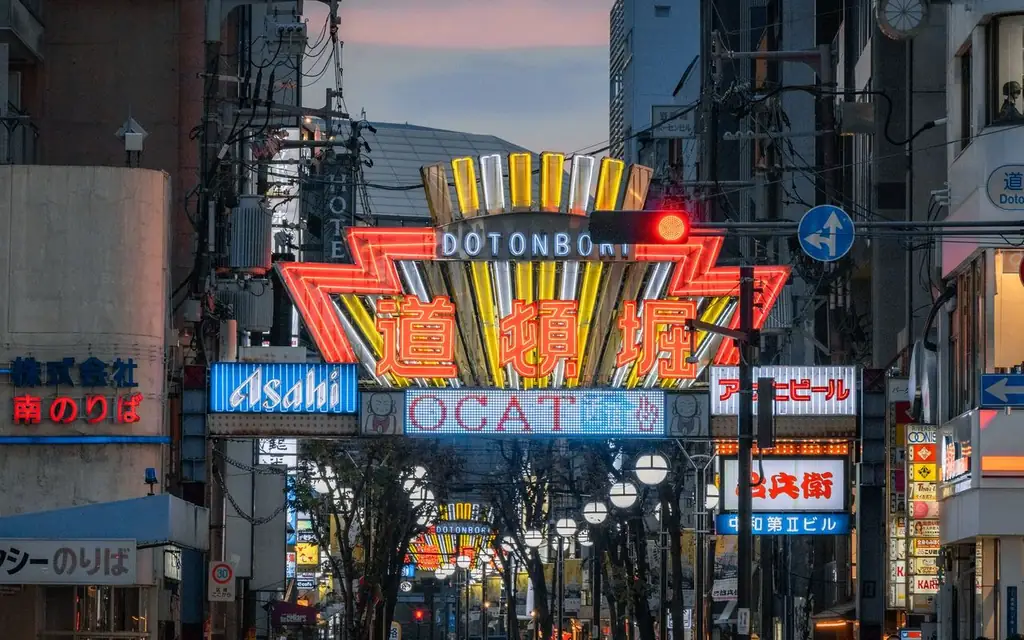
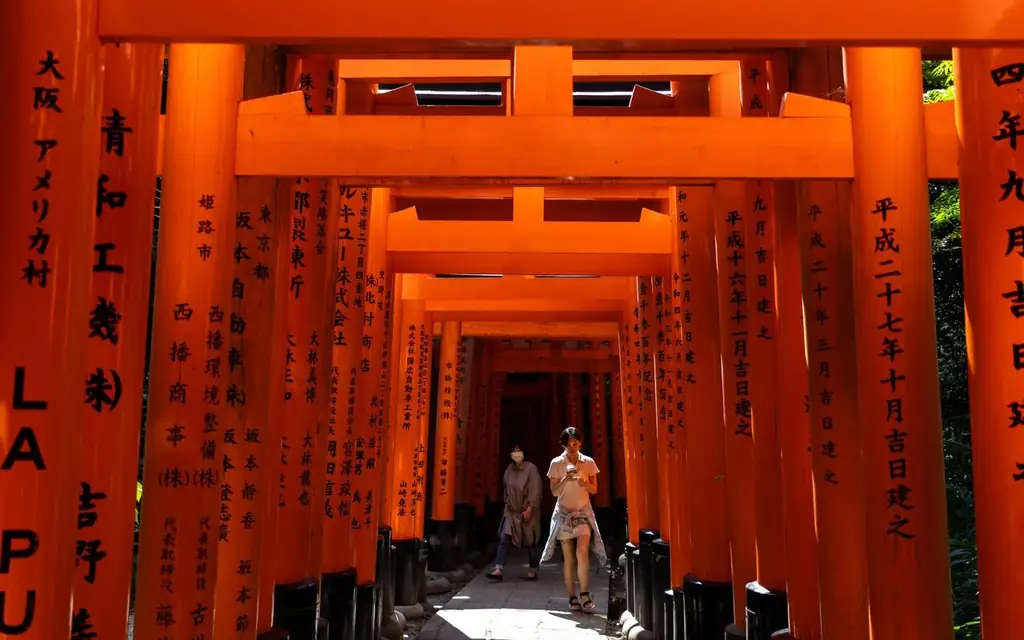
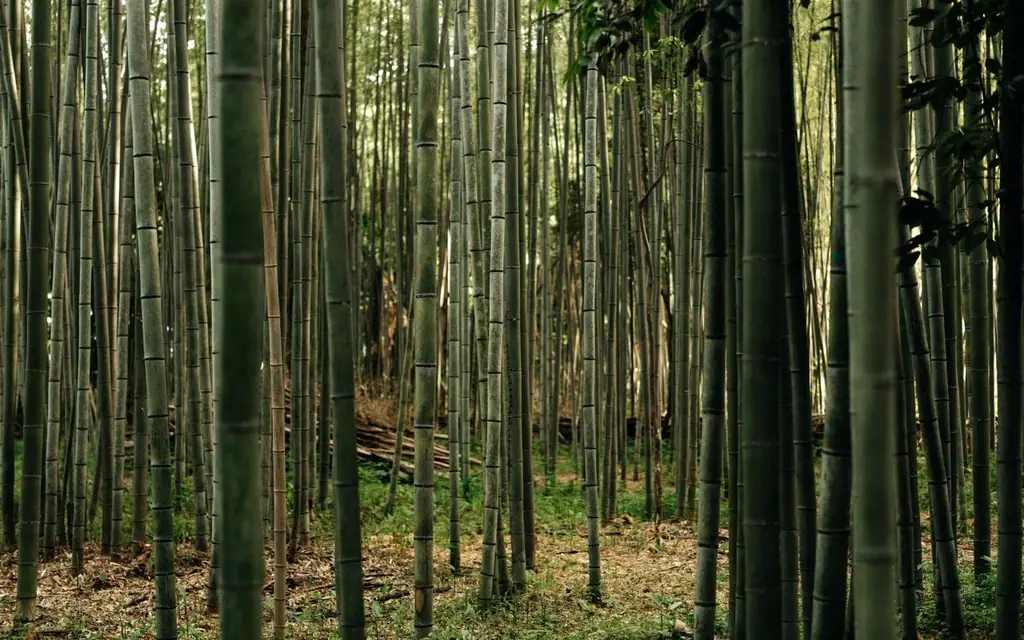
If you want a full day in Kansai, the car links Nara neatly to other places. A morning in Nara followed by an afternoon in western Kyoto fits well with our guide to the Arashiyama Bamboo Grove, and an evening in Osaka is covered in Osaka Castle and Dotonbori. Fushimi Inari, with its endless red gates, is the other classic Kyoto companion; see Fushimi Inari Taisha.
Accessibility and practical notes
The approach from the Great South Gate to the Great Buddha Hall is mostly level, but it is gravel and paving rather than smooth asphalt, and gravel slows a manual wheelchair. Check the temple's current accessibility notes before you travel, and tell the desk at booking if anyone needs step-free routes so the drop-off point can be chosen to shorten the walk. The paths farther into the park, including the approach to Kasuga Taisha, are longer and include stone steps in places.
Travel guides report that photography is allowed inside the Great Buddha Hall while drones and smoking are not; follow the signs posted on the day. Pets other than assistance animals are not a good idea in a park full of deer. Wear closed shoes, carry a small bag of tissues, and expect the deer to shadow anyone holding paper.
If your group includes toddlers or older relatives, tell the desk at booking so we can reserve a suitable vehicle from the fleet with the right seats and an easy step-in. Child, toddler and booster seats are available on request.
Rail or road to Nara: how the options compare
| Route | Journey time | Cost note | Suits |
|---|---|---|---|
| Kintetsu train from Osaka Namba | About 40 minutes to Nara Station, then 20 minutes on foot | Lowest | Independent travelers who like to walk |
| Kintetsu train from Kyoto Station | About 50 minutes to Nara Station, then 20 minutes on foot | Lowest | A simple day trip with no luggage |
| City circulation bus from the station | A short ride, then about 5 minutes on foot | Low | Short hops with a limited walk |
| Taxi from Nara Station | 10 to 15 minutes | Metered | Two or three people short on time |
| Private chauffeur from Kyoto or Osaka | 50 to 90 minutes | Fixed fare via the booker | Families, groups, a multi-stop Kansai day, mixed mobility |
The train is a good option and we say so plainly. From Osaka Namba or Kyoto Station the Kintetsu line gets you to the park edge in 40 to 50 minutes (times from the temple's own access page), and you avoid every road delay. A chauffeur is the better choice when you want to combine Nara with other places, when the group has luggage, or when someone cannot manage the 20-minute walk from the station.
Frequently asked questions
How far is Nara Park from Kyoto by car?
About 40 km (25 miles). Todai-ji's own directions give about 60 minutes from the Kyoto Minami interchange on the Meishin Expressway, so plan 60 to 90 minutes from a central Kyoto hotel.
Is there parking at Todai-ji?
No. The temple states there is no parking lot at Todai-ji and points to the paid GS Park Todai-ji Saidaimon parking lot, with a Gurutto Bus connection. A chauffeur normally drops you near the park and waits elsewhere.
What are the Todai-ji opening hours and fees?
As of 2026, the Great Buddha Hall opens 7:30 to 17:30 from April to October and 8:00 to 17:00 from November to March. Adult admission is 800 yen, and a joint hall and museum ticket is 1,200 yen.
Do I need to book tickets in advance for the Great Buddha Hall?
No advance booking or timed entry is required. You buy admission at the hall. Arrive near opening time to avoid the school groups and tour coaches that fill the hall from late morning.
Is it safe to feed the Nara deer?
Yes, with care. Give them only the official deer biscuits, one at a time, and show empty hands when finished. Males can be aggressive in autumn, and the deer will eat paper and plastic.
How long do I need for Nara Park and Todai-ji?
Allow 3 to 4 hours for the Great Buddha Hall, a walk through the park and Kasuga Taisha. A relaxed half day from Kyoto or Osaka is realistic, including the drive each way.
Can I combine Nara with Kyoto or Osaka sights in one day?
Yes. A morning at Nara followed by an afternoon at Fushimi Inari or Arashiyama is a classic pairing, and a driver makes the timing predictable. Ask the desk to plan the order around your hotel.
Is a car to Nara booked like a city transfer?
Yes. Enter your Kyoto or Osaka pickup and the park as the destination, and the booker shows the fixed fare first. Add Fushimi Inari or Arashiyama as further stops on a day booking if you want a fuller Kansai itinerary.