

 United StatesJFK
 MexicoMEX
 BrazilGRU
 ArgentinaEZE
 ChileSCL
 ColombiaBOG
 PeruLIM
 PanamaPTY
 Costa RicaSJO
 Dominican RepublicPUJ
 JamaicaMBJ
 BahamasNAS
 BarbadosBGI
 United KingdomLHR
 IrelandDUB
 FranceCDG
 GermanyFRA
 NetherlandsAMS
 BelgiumBRU
 SwitzerlandZRH
 AustriaVIE
 ItalyFCO
 SpainMAD
 PortugalLIS
 GreeceATH
 TurkeyIST
 DenmarkCPH
 SwedenARN
 NorwayOSL
 FinlandHEL
 PolandWAW
 Czech RepublicPRG
 HungaryBUD
 IcelandKEF
 United Arab EmiratesDXB
 QatarDOH
 Saudi ArabiaRUH
 IsraelTLV
 EgyptCAI
 MoroccoCMN
 South AfricaJNB
 KenyaNBO
 NigeriaLOS
 IndiaDEL
 PakistanLHE
 Sri LankaCMB
 SingaporeSIN
 MalaysiaKUL
 ThailandBKK
 VietnamSGN
 PhilippinesMNL
 IndonesiaCGK
 Hong KongHKG
 ChinaPVG
 TaiwanTPE
 JapanHND
 South KoreaICN
 AustraliaSYD
 New ZealandAKL
How do you visit Hiroshima Peace Memorial Park with a private driver?
A chauffeur takes you from your hotel, Hiroshima Station or the airport to the edge of the park, then you walk in. The park itself has no private parking. The central station is only a few kilometers away, so the drive is short; the airport is about 50 km (31 miles) away.
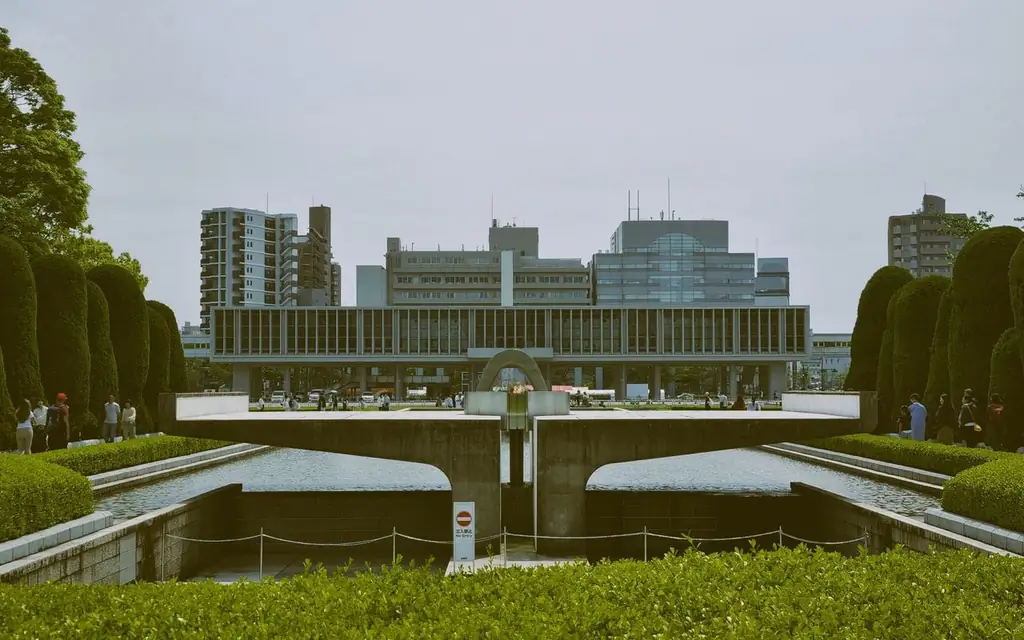
The bomb fell at 8:15 a.m. on 6 August 1945, and the city has kept that moment at the center of its identity ever since. Peace Memorial Park sits on the spit of land between the Motoyasu and Honkawa rivers, a short walk from the skeleton of the Atomic Bomb Dome. It is a place of memory first and a sightseeing stop second, and the right way to plan it is quietly, with time to spare and with the practical logistics sorted out beforehand.
That is where a private driver helps. Not because the car reaches the memorial, which it cannot, but because it removes the rushed parts of the day: finding the right drop-off point, carrying luggage across a city you do not know, and reaching the museum at the hour that suits it best. This guide uses the museum's own published information and the city's tourism pages. Where details change by season, they are marked. For how we organize longer sightseeing days across Japan, see our page on private tours with driver.
What a visit consists of: the Dome, the park and the museum
Plan the visit as three connected parts, walked in order from north to south.
- The Atomic Bomb Dome. The ruined frame of a building completed in 1915 as a prefectural exhibition hall, designed by the Czech architect Jan Letzel. The bomb exploded about 160 metres from it. It was registered as a World Heritage Site in December 1996 (see the city's tourism site). You cannot go inside; you view it from the outside.
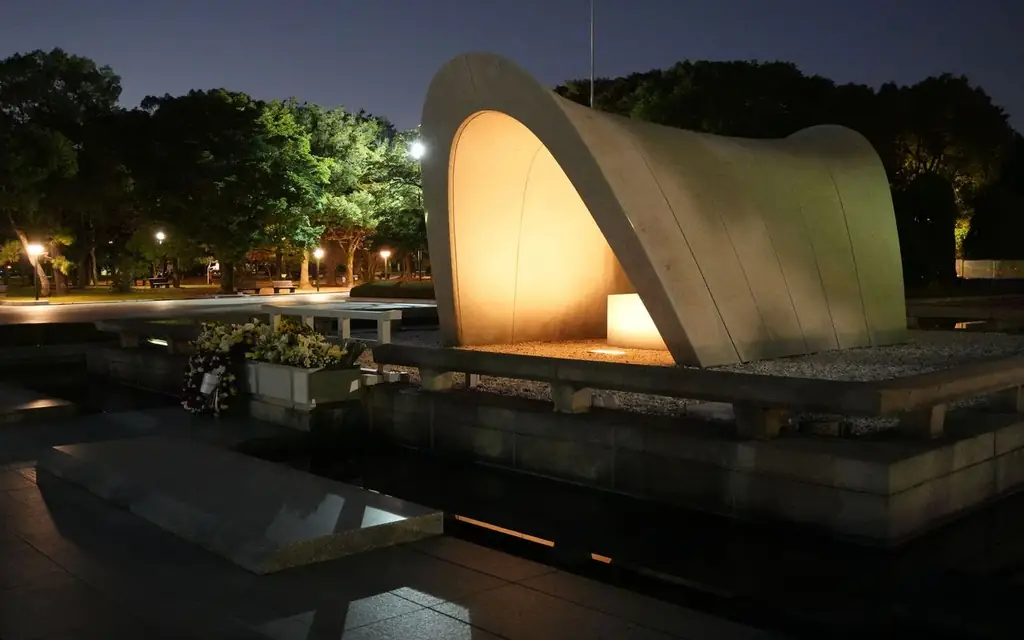
- The park. A wide, tree-lined green space with monuments and memorials, including the Children's Peace Monument and the Cenotaph for the victims. It is open at all hours and free.
- The Peace Memorial Museum. The principal exhibition, which tells the story of the city before, during and after the bombing. It is the part that needs time and, at busy periods, a reservation.
Most visitors walk the whole axis slowly in two to three hours: the Dome and the riverbank first, the park monuments next, the museum last, ending with a quiet sit by the river before the next transfer.
Museum hours, fees and reservation windows
The Hiroshima Peace Memorial Museum publishes its schedule on the official museum site. The following applies to the permanent exhibition:
- March to July and September to November: 7:30 to 19:00.
- August: 7:30 to 20:00, and until 21:00 on 5 and 6 August.
- December to February: 7:30 to 18:00.
- Last entry: 30 minutes before closing.
- Closed: 30 and 31 December, and for a few days in mid-February while exhibits change. The museum lists 15 to 20 February 2027 as the next changeover closure.
The extended-hour periods at the start and end of the day require an online reservation in advance for the permanent exhibition, according to the museum. The museum site shows two slightly different evening windows, so confirm the slot printed on your own ticket. The museum also warns that it can be very crowded in the daytime, that it may restrict admission temporarily for safety, and that a web ticket does not guarantee entry at the exact minute printed on it.
Admission as of 2026: 200 yen for adults, 100 yen for high school students, and free for junior high school students and younger. Visitors who join special exhibitions, talks or guided tours with the Hiroshima Peace Volunteers can enter without queuing at the ticket line.
The Atomic Bomb Dome: outside only
The Dome stands at the northern end of the park, beside the river. The city's tourism pages are clear that visitors cannot enter it. What you can do is walk around the exterior, in the open air, at any time of day. There is no admission charge.
The best light for a quiet look is early morning, before the first groups arrive. Photography is a personal matter here; keep distance from other visitors who may be paying respects, and avoid photographing mourners.
Reaching the park: airport, station and port
Hiroshima's geography is simple: the park is in the city center, and the airport is far to the east. The relevant distances and times:
- Hiroshima Station to the park: about 2 km (1.2 miles) in a straight line, and roughly 3 km (2 miles) by road, usually 10 to 20 minutes. The tram is the default for locals, but a car is a direct option with luggage.
- Hiroshima Airport (HIJ) to the city center: roughly 50 km (31 miles) by road, typically 50 to 70 minutes. The airport's limousine buses run to the Hiroshima Bus Center and the station; a private car goes door to door.
- Hiroshima Port: the tram line from the port reaches the Hondori stop in about 30 minutes, according to the city's access page. By car the run is shorter.
- Shinkansen arrivals: Hiroshima Station is the Shinkansen stop. Many visitors arrive from Osaka or Kyoto on the fast train and take a car for the last leg with bags.
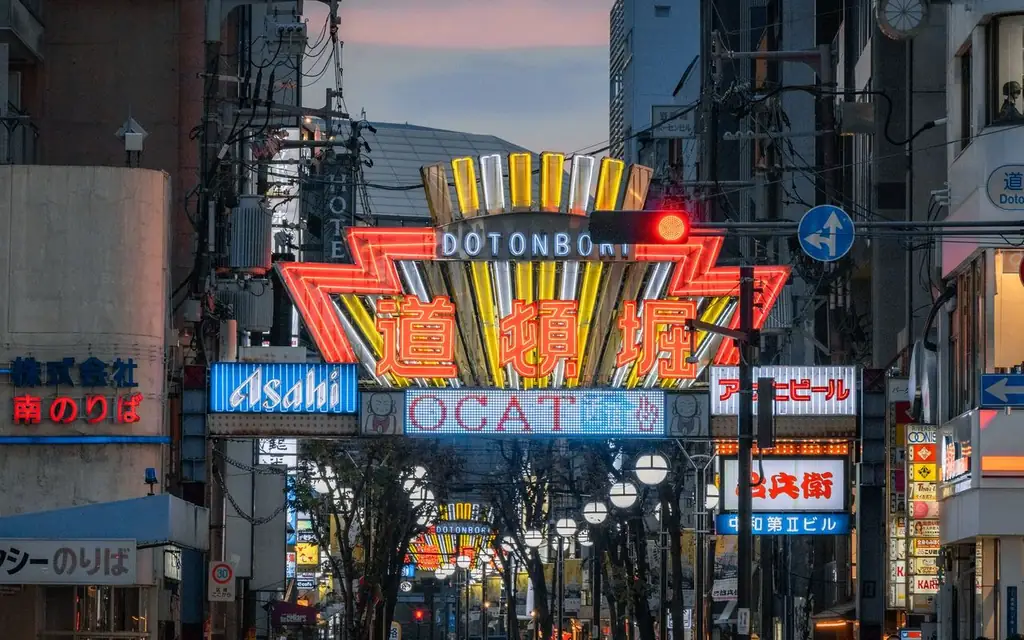
Our airports directory covers the airports we serve, and the Asia-Pacific directory lists the region's cities. The long journey between Osaka and Hiroshima is best made by train; read our post on Osaka Castle and Dotonbori for the other end.
Where the car stops and where it can park
This is the practical heart of the visit. The city is explicit that there is no private parking at the Atomic Bomb Dome or the Peace Memorial Park; drivers must use a nearby car park. Beyond that, there is a dedicated lot for visitor buses:
- Peace Memorial Park Tourist Bus Parking Lot, 1 Nakajima-cho. It is free, open 8:30 to 19:00, and the vehicles must leave by 18:50.
- Capacity: the city's tourism page lists 51 spaces, subject to seasonal change, with no reservations. It is first come, first served and may be full at busy times. The page adds that the lot may be unavailable to large buses because of park management needs.
- Rules: do not idle, do not park for a long time (generally more than two hours is discouraged), follow the guards' instructions, and note that smoking is prohibited in the park under local ordinance.
You can read the full conditions on the city's bus parking page. The practical consequence for a private car: the chauffeur drops you at a safe point near the park edge, and then either waits in a nearby public car park or uses the visitor lot if there is space. For a visit of two to three hours, the driver commonly stays within reach and returns on a call. For a group with a larger vehicle, ask the desk to check the plan in advance.
When to go: time of day, season and the 6 August ceremony
- Early morning. The park is open all day, and the first hour after the museum opens at 7:30 is the quietest time to see the exhibitions. A reservation is needed in the extended-hour windows.
- Midday. The museum is at its most crowded. If you must go at midday, buy the ticket online first.
- Summer. Hiroshima is hot and humid in July and August. Carry water, and take the park slowly.
- 6 August. The city holds its annual Peace Memorial Ceremony in the park on this date, with a moment of silence at 8:15 a.m. Expect road controls, heavy foot traffic and limited access for vehicles around the park. If you are in Hiroshima that week, check the city's notices and let the desk know your plans.
- Autumn and spring. Pleasant and easier for walking. Crowds are moderate outside school-trip peaks.
If you visit in the coming months, remember that the next 6 August falls in 2027. Several arrangements, from hotel rooms to museum reservations, tighten in the days around it.
A quiet half day, step by step
Here is a plan that leaves space for reflection and is realistic for a driver-based visit.
- 7:15 – Hotel pickup in central Hiroshima, or arrival from the station.
- 7:30 to 8:00 – Dome and riverside walk, before the museum opens.
- 8:00 to 9:45 – The museum, with a reserved early slot if you have one. Allow at least 90 minutes.
- 9:45 to 11:00 – The park monuments. Visit the Cenotaph and the Children's Peace Monument at a slow pace, and sit by the river.
- 11:00 – Transfer to the next destination, or lunch in the city.
A word on interpretation: a chauffeur drives and can suggest stops, but is not a guide to the exhibits. If you want the history explained, use the museum's volunteer-led tours mentioned above, or engage a qualified local guide separately. Many visitors prefer to walk the museum alone and in silence, then talk afterward over lunch.
For the afternoon, many travelers choose the island of Miyajima. Its Itsukushima Shrine was registered as a World Heritage Site in 1996, according to Hiroshima's tourism site. The car goes as far as the ferry terminal at Miyajimaguchi, about 20 to 25 km (12 to 16 miles) from the park, usually 35 to 55 minutes, and waits on the mainland while you cross by ferry. A Mt. Misen walk or ropeway ride is possible on the island, but operating status changes, so check the Hiroshima tourism site on the day.
Accessibility and conduct in the park
The park is flat, wide and paved, with rest benches along the riverside paths. Ask the museum about its facilities for wheelchair users before you travel; its contact details are on the official site. If a member of your party needs a particular door or a short transfer, tell the desk at booking so the driver can choose the nearest legal stopping point.
On conduct:
- Keep voices low and phones silent.
- Dress modestly; the park is a memorial, not a promenade.
- Do not climb on monuments, and do not photograph mourners.
- Keep to marked paths, and use the bins for litter.
- Respect the minute of silence if you are in the park at 8:15 a.m.
Tram, taxi or chauffeur to the park
| Mode | Time from Hiroshima Station | Cost note | Suits |
|---|---|---|---|
| Tram (Hiroden) to Genbaku Dome-mae | About 15 to 20 minutes | Lowest | Independent travelers without luggage |
| City bus | About 10 to 16 minutes | Lowest | Short hops with one change at most |
| Walking | 25 to 30 minutes | Free | Fit visitors on a clear day |
| Taxi | About 10 minutes | Metered | Two or three people, light bags |
| Private chauffeur | 10 to 20 minutes from the station; 50 to 70 minutes from the airport | Fixed fare via the booker | Airport arrivals, luggage, mixed mobility, add-on trips such as Miyajima |
For travelers staying in the center, the tram is simple, and for a short ride it can be quicker than a car through city traffic. A private driver is the better choice for an airport arrival, a group with bags, or a day that adds Miyajima or onward transfers.
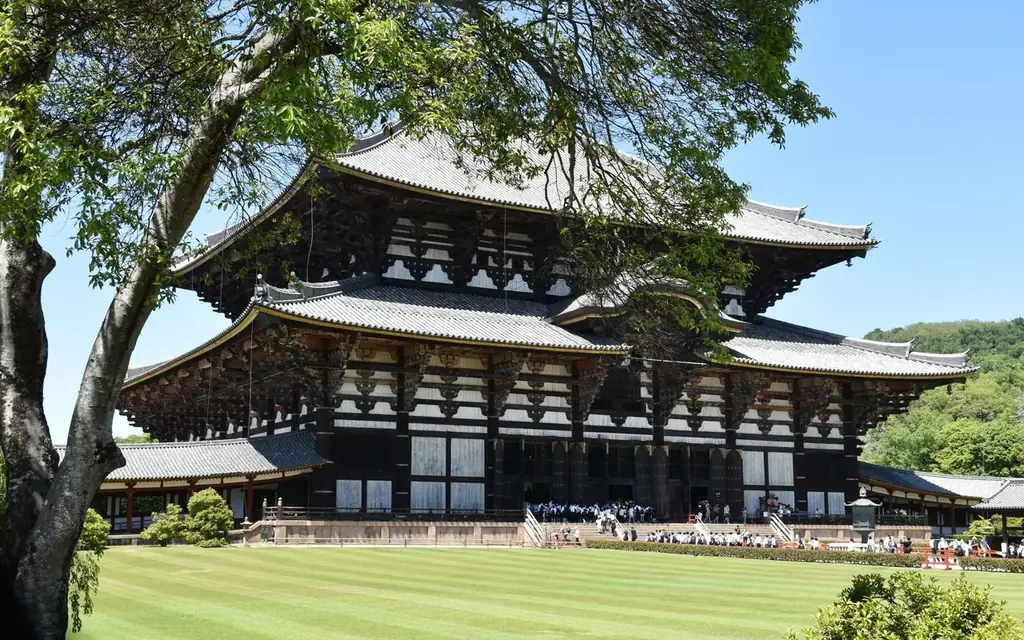
If you are continuing to the Kyoto and Nara area, our guides to the Arashiyama Bamboo Grove and Nara Park and Todai-ji cover the next stops, and the fleet page shows the vehicle classes available for groups.
Frequently asked questions
How far is Hiroshima Peace Memorial Park from Hiroshima Station?
About 2 km (1.2 miles) in a straight line, and roughly 3 km (2 miles) by road. A car or taxi takes 10 to 20 minutes depending on traffic.
How far is Hiroshima Airport from the Peace Memorial Park?
Roughly 50 km (31 miles) by road, typically 50 to 70 minutes. The airport is east of the city, so most visitors allow an hour for the transfer.
Can a car park at Peace Memorial Park?
The park has no private parking. The city operates a free visitor bus lot at 1 Nakajima-cho, open 8:30 to 19:00, with limited spaces and no reservations. Otherwise the driver uses a nearby public lot.
Do I need a reservation for the Hiroshima Peace Memorial Museum?
A reservation is required for the extended-hour windows at the start and end of the day. At other times a ticket is sold, but the museum can limit entry when it is crowded, so a web ticket is a sensible precaution.
What are the museum's opening hours and admission fee?
As of 2026, 7:30 to 19:00 from March to November (with extended hours in August) and 7:30 to 18:00 from December to February. Adults pay 200 yen, high school students 100 yen, and younger students are free.
Can I go inside the Atomic Bomb Dome?
No. Visitors can walk around the exterior at any time, but the interior is closed. There is no charge to view it from outside.
How long should I allow for the park and museum?
Allow 2 to 3 hours for the Dome, the park monuments and the museum. Add time if you want to join a guided tour with a Hiroshima Peace Volunteer.
What should I tell the desk when booking in Hiroshima?
Give your museum reservation time, the number of passengers and any mobility needs. The desk plans the drop-off and a flexible pickup around them, and the booker shows the fixed fare before you confirm.