 United StatesJFK
 MexicoMEX
 BrazilGRU
 ArgentinaEZE
 ChileSCL
 ColombiaBOG
 PeruLIM
 PanamaPTY
 Costa RicaSJO
 Dominican RepublicPUJ
 JamaicaMBJ
 BahamasNAS
 BarbadosBGI
 United KingdomLHR
 IrelandDUB
 FranceCDG
 GermanyFRA
 NetherlandsAMS
 BelgiumBRU
 SwitzerlandZRH
 AustriaVIE
 ItalyFCO
 SpainMAD
 PortugalLIS
 GreeceATH
 TurkeyIST
 DenmarkCPH
 SwedenARN
 NorwayOSL
 FinlandHEL
 PolandWAW
 Czech RepublicPRG
 HungaryBUD
 IcelandKEF
 United Arab EmiratesDXB
 QatarDOH
 Saudi ArabiaRUH
 IsraelTLV
 EgyptCAI
 MoroccoCMN
 South AfricaJNB
 KenyaNBO
 NigeriaLOS
 IndiaDEL
 PakistanLHE
 Sri LankaCMB
 SingaporeSIN
 MalaysiaKUL
 ThailandBKK
 VietnamSGN
 PhilippinesMNL
 IndonesiaCGK
 Hong KongHKG
 ChinaPVG
 TaiwanTPE
 JapanHND
 South KoreaICN
 AustraliaSYD
 New ZealandAKL
A private jet cancellation policy rarely gets read until it is needed, and by then the money has moved. A charter agreement is a short document compared with a hotel group contract, but each clause carries real cost: when the deposit becomes non-refundable, what happens if weather closes the destination, who pays if the aircraft breaks, and whether a long delay can leave the crew unable to fly.
This guide goes through the agreement clause by clause, using US federal rules where they apply and a real operator's published terms as an example. It is not legal advice, and terms differ between operators and countries, but it will tell you what to look for and what to ask.
What is a typical private jet cancellation policy?
Charter agreements commonly use a sliding scale: little or no charge if you cancel well ahead, then a rising percentage of the charter price as departure approaches, often reaching most or all of it within 24 hours or on a no-show. The exact tiers, the deposit and any non-refundable costs vary by operator and must be in writing.
The detail is where contracts differ. Some calculate fees on the whole charter price, some only on the flight cost, and some add costs the operator has already paid out, such as catering or positioning. Read the definitions as carefully as the percentages.
What a charter agreement should contain
A well-drafted charter agreement, sometimes called a charter confirmation or flight contract, covers at least these points:
- The parties. Who is the charterer, who is the broker or agent, and who is the operator holding operational control of the flight.
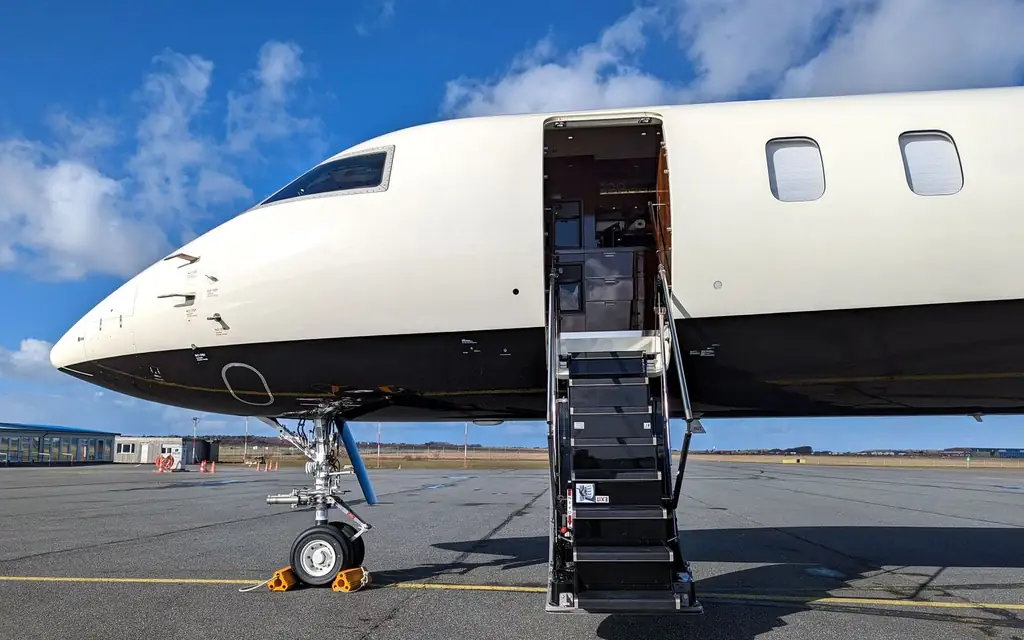
- The aircraft. Type and, ideally, registration (tail number), with the rule for substitutions.
- The itinerary. Airports, dates, scheduled departure times and passenger count.
- The price. The total, what it includes, and which taxes and fees are added.
- Payment terms. The deposit, the balance due date and accepted payment methods.
- Cancellation and changes. The fee scale, how changes to times or routing are priced, and what counts as a no-show.
- Delays and disruptions. Weather, mechanical problems, air traffic control and crew duty limits.
- Passenger obligations. Documents, baggage limits, conduct, smoking, pets and restricted items.
- Liability and insurance. Whose insurance covers whom, and any limits.
In the United States, the broker side is regulated. 14 CFR Part 295 requires an air charter broker to disclose, before the contract, the corporate name of the operator in operational control, the capacity in which the broker is acting, and whether it holds liability insurance covering the charterer and passengers, with the limits. On request, the broker must also disclose the total cost including taxes and fees, and any third-party fees the charterer will pay directly, such as fuel, landing or hangar fees. If you see none of this, ask before you sign. Our guide to the broker versus operator relationship explains why it matters.
Private jet deposits and payment timing
Charter is paid before the flight. Expect the agreement to set a deposit, a balance due date and accepted payment methods; on short-notice trips the operator may ask for full payment at booking. Ask three questions about any private jet deposit:

- When does it become non-refundable? Immediately in part, or only once the cancellation scale begins?
- What does it secure? A specific aircraft and crew, or only a place in the operator's schedule?
- How will a refund be paid, and how fast? Part 295 requires brokers to make prompt refunds when a flight cannot be performed or a refund is otherwise due, and within 20 days of a complete refund request for cash and check purchases; credit card refunds follow the card rules it cites.
Pay by a method that leaves a clear record, and keep the contract, the disclosures and every change in writing.
How cancellation tiers are built
Cancellation scales reflect the operator's risk: the closer to departure, the less chance of selling the aircraft and crew time to someone else. As an example of how one operator publishes its terms, Austrian operator GlobeAir's cancellation policy applies the following fees, calculated on the total charter price including any non-refundable costs:
| Time before scheduled departure | GlobeAir published fee | Our ground transport policy, for comparison |
|---|---|---|
| More than 7 days | Not listed as a fee tier | Free (more than 72 hours) |
| 7 days to 48 hours | 30% | Free beyond 72 hours; 10% inside 72 hours |
| 48 to 24 hours | 50% | 50% inside 48 hours |
| Within 24 hours or no-show | 75% | 100% inside 24 hours or no-show |
Other operators use different thresholds and percentages, so treat this as an illustration of the structure, not a market standard. The questions that matter are the same everywhere: the time the clock is measured from (scheduled departure, not the time you call), what "total price" includes, and whether a later rebooking can recover part of the fee as credit.
For multi-leg trips, check whether each leg has its own scale, or whether cancelling the outbound cancels the whole trip. Positioning flights complicate this: an aircraft that has already flown empty to collect you has incurred cost even if you cancel. Our guide to how a charter quote is built explains positioning and repositioning charges.
Weather, safety and who decides whether to fly
The contract may promise a departure time, but the final decision is not commercial. Under 14 CFR 91.3, the pilot in command is directly responsible for, and is the final authority as to, the operation of the aircraft. If the captain decides conditions are unsafe, the flight waits, diverts or cancels, regardless of what the client wants.

What the contract should say about weather and safety cancellations:
- Whether you pay for a flight the operator cancels for safety reasons. Some agreements treat it differently from a client cancellation; read your own.
- What happens on a diversion. Who pays for the extra flying, the hotel, and the car from the alternate airport.
- How rescheduling works. Whether the same price holds for a new date, and for how long.
A diversion also changes the ground plan. If the jet lands at an alternate airport, tell our desk at once and we will re-route the car where possible; book with flight tracking and the tail number so the chauffeur can follow the aircraft.
Crew duty limits: why a long delay can end the day
Crews have legal limits on flying and duty time. In the United States, 14 CFR 135.267 sets the rules for unscheduled one- and two-pilot crews. In any 24 consecutive hours, flight time may not exceed 8 hours for a single-pilot crew or 10 hours for a two-pilot crew, unless the flying falls within a duty period of no more than 14 hours, preceded and followed by at least 10 consecutive hours of rest. The rule also requires extra rest when circumstances such as weather push a crew beyond its daily limit.
In practice this means a delay is not free. If passengers keep the crew waiting for hours, or a weather hold stretches into the evening, the crew can reach its duty limit, and the flight cannot legally depart until the crew has rested or a fresh crew arrives. Contracts handle this in different ways: some charge waiting time, some allow the operator to cancel, some require the client to pay for a replacement crew. Ask, and plan the day so the duty clock is not wasted. Our Part 135 versus Part 91 guide explains why these rules apply to legal charter.
Need the car lined up with the flight? Price it here; the fare is confirmed before you pay.
Substitutions, mechanical problems and what you are owed
Aircraft go unserviceable. A good agreement says what happens next:
- Substitution. Will the operator provide a similar or larger aircraft, and at whose cost? Is a smaller aircraft allowed only with your consent?
- A different operator. If a substitute aircraft comes from another certificate holder, you should be told who the new operator is. Under Part 295, if required disclosures change and are not passed on within a reasonable time, the broker must offer the chance to cancel the rest of the contract and refund the services not yet provided.
- Your remedy. Refund, rebooking, or a credit. A credit is only as good as your chance to use it.
Empty-leg bookings deserve a special warning. Because they depend on another client's trip, the operator may cancel or retime them; see our guide to empty leg flights.
Taxes, fees and the extras on the final invoice
US charter invoices include federal excise taxes. According to IRS Publication 510, a 7.5% tax applies to amounts paid for taxable transportation of persons by air, and those amounts include charges such as layover or waiting time and the movement of aircraft in deadhead service. A domestic-segment tax also applies, increased to $5.30 per segment for 2026 and multiplied by the number of passengers on a chartered aircraft. The FAA's consumer page, Thinking of Chartering an Aircraft?, lists the absence of Federal Excise Tax on a charter bill as a red flag for an illegitimate operator.
Beyond taxes, look for: de-icing, catering, crew overnight costs, international handling, landing and parking fees, and the ground transport at each end. Ask which are estimates and which are fixed.
Booking the cars around a charter contract
The ground side has its own terms, and they should line up with the flight. Our chauffeur cancellation policy is measured from the scheduled pickup time: free with more than 72 hours' notice, 10% inside 72 hours, 50% inside 48 hours, and 100% inside 24 hours or for a no-show. After landing, the chauffeur waits free for 60 minutes on international arrivals and 30 on domestic ones, and a meet and greet name board can be added inside the FBO.
Plan the car around the jet's realistic arrival, not the best case. Teterboro to Midtown Manhattan is about 19 km (12 mi), 25 to 35 minutes off-peak and 45 to 90 minutes at rush hour; see our Teterboro page. For days with several meetings, book an hourly chauffeur or an executive chauffeur rather than separate transfers, and for company travel, our corporate car service puts every ride on one account. Our private jet car service page explains FBO pickups, and the online booker shows the fare before you confirm.
A checklist before you sign
- The operator in operational control is named, with the aircraft type and tail number.
- The total price lists taxes and fees, and third-party costs are estimated.
- The deposit, balance date and refund method are clear.
- The cancellation scale states the reference time and the base it applies to.
- Weather, mechanical and crew-duty disruptions each have a stated outcome.
- Substitution rules require your consent for a smaller aircraft or a different operator.
- Ground transport is booked with matching times and cancellation terms.
If you would like us to arrange the flight as your booking agent, with a licensed air carrier operating it, request a charter quote; the why book with us page explains how we vet the operators we work with. For tight timelines, our last-minute charter guide explains how fast an aircraft can realistically be ready.
Sources
- eCFR: 14 CFR Part 295, Air Charter Brokers
- eCFR: 14 CFR 135.267, flight time limitations and rest requirements
- eCFR: 14 CFR 91.3, responsibility and authority of the pilot in command
- Internal Revenue Service: Publication 510, Excise Taxes
- Federal Aviation Administration: Thinking of Chartering an Aircraft?
- GlobeAir: cancellation policy
Frequently asked questions
Can I get my deposit back if I cancel a private jet charter?
It depends on the contract and the timing. Agreements often refund some or all of the deposit if you cancel well before departure, then apply a rising fee as the date approaches. Check when the deposit becomes non-refundable and what costs, such as positioning or catering, are deducted.
What happens if the operator cancels because of weather?
The pilot in command has final authority over whether the aircraft operates, so a flight can be held or cancelled for safety. Your contract decides whether you are charged, rebooked or refunded in that case. Ask for the weather clause in writing before you pay.
Why would a crew refuse to fly after a long delay?
US rules limit how long charter crews may fly and be on duty, and require minimum rest. A long wait can push the crew to its limit, after which the flight cannot legally depart until the crew has rested or a replacement arrives. Contracts often charge for waiting or allow cancellation.
Are charter cancellation fees the same everywhere?
No. Operators set their own scales. One European operator, for example, publishes fees of 30%, 50% and 75% of the total price at different points in the final seven days. Read your own agreement, including what the percentage is calculated on.
Do I need to cancel the car separately if my flight is cancelled?
Yes. Ground bookings have their own terms, measured from the scheduled pickup time: free with more than 72 hours' notice, then 10%, 50% and 100% as pickup approaches. Tell the desk as soon as the flight changes so we can move or cancel the car.
What should a charter agreement say about substitute aircraft?
It should state whether the operator may provide a different aircraft, whether a smaller one needs your consent, who pays any price difference, and who the operator will be if it changes. If the operator changes, you should be told before the flight.
Plan the rest of the trip
 Booking WorldwideOnline travel agency · our travel desk partner
Your chauffeur is booked here. Book the rest of the trip in one place: hotels, flights, resorts, activities, packages and car rentals in every country.
Plan your trip