
 United StatesJFK
 MexicoMEX
 BrazilGRU
 ArgentinaEZE
 ChileSCL
 ColombiaBOG
 PeruLIM
 PanamaPTY
 Costa RicaSJO
 Dominican RepublicPUJ
 JamaicaMBJ
 BahamasNAS
 BarbadosBGI
 United KingdomLHR
 IrelandDUB
 FranceCDG
 GermanyFRA
 NetherlandsAMS
 BelgiumBRU
 SwitzerlandZRH
 AustriaVIE
 ItalyFCO
 SpainMAD
 PortugalLIS
 GreeceATH
 TurkeyIST
 DenmarkCPH
 SwedenARN
 NorwayOSL
 FinlandHEL
 PolandWAW
 Czech RepublicPRG
 HungaryBUD
 IcelandKEF
 United Arab EmiratesDXB
 QatarDOH
 Saudi ArabiaRUH
 IsraelTLV
 EgyptCAI
 MoroccoCMN
 South AfricaJNB
 KenyaNBO
 NigeriaLOS
 IndiaDEL
 PakistanLHE
 Sri LankaCMB
 SingaporeSIN
 MalaysiaKUL
 ThailandBKK
 VietnamSGN
 PhilippinesMNL
 IndonesiaCGK
 Hong KongHKG
 ChinaPVG
 TaiwanTPE
 JapanHND
 South KoreaICN
 AustraliaSYD
 New ZealandAKL
A chauffeur service Tokyo residents would recognise is not a novelty import. Japan has long had the hire (written ハイヤー and pronounced "haiyā"), a pre-booked car with a professional driver, kept apart from the street taxi and suited to exactly the kind of day this guide describes. For a visitor, an hourly hire car solves the problems that make Tokyo hard to navigate: addresses that do not follow street names, a vast expressway network, and meetings scattered across Marunouchi, Roppongi and Shinjuku. Below you will find how the format works, what the airport runs really involve, etiquette that matters, and when the train is simply the better choice.
How is a Tokyo hire car different from a taxi?
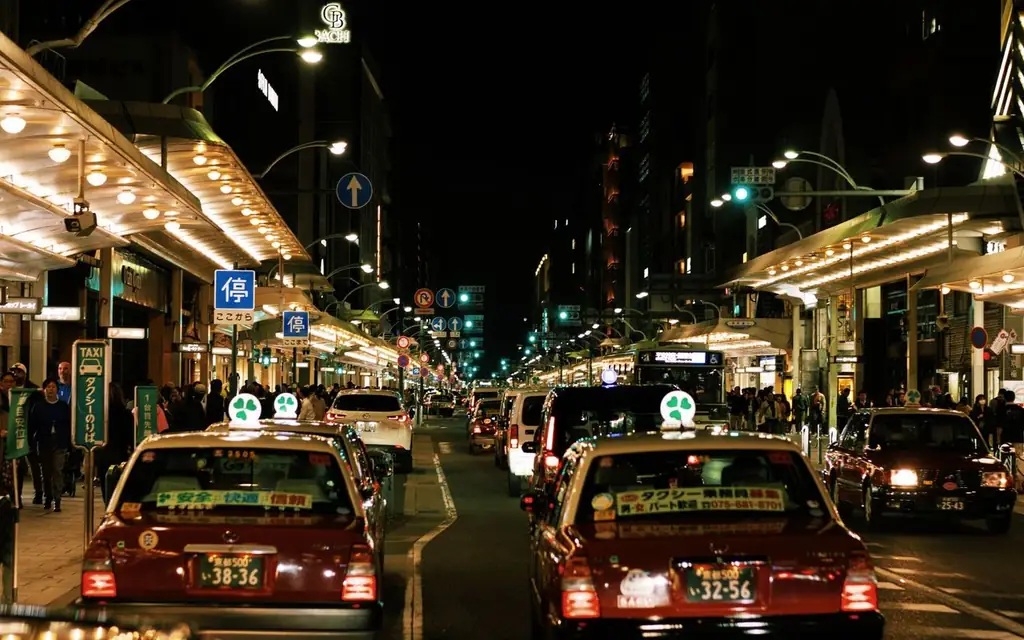
A taxi is hailed or called for one trip and metered from pickup to drop-off. A hire car is reserved in advance, usually by the hour, with a specific vehicle and driver who wait for you between stops. It suits days with several meetings, airport arrivals with luggage, and guests who should not have to queue at a rank.
If you have been searching for a Tokyo private driver, the hire car, Tokyo's own version of the format, is what you are looking for. Tokyo's taxis are excellent, and for a single ride across a few kilometres they are often the right answer. The city's own trade body is called the Tokyo Hire-Taxi Association, a reminder that both services sit side by side. The difference is control. With a taxi, each leg is a new transaction. With a hire car, the same driver knows your schedule, holds your bags, and is parked nearby when your meeting ends.
Who actually drives you? A licensed, insured Tokyo hire operator drawn from our Asia-Pacific directory. LimousineWorldwideDirectory.com arranges the booking, confirms it in writing and invoices you in one place. Our Tokyo chauffeur service page covers districts and attractions; this guide is about running a day by the hour.
Narita or Haneda: what does the airport run involve?
Which airport you fly into changes the shape of your first day more than any other choice.
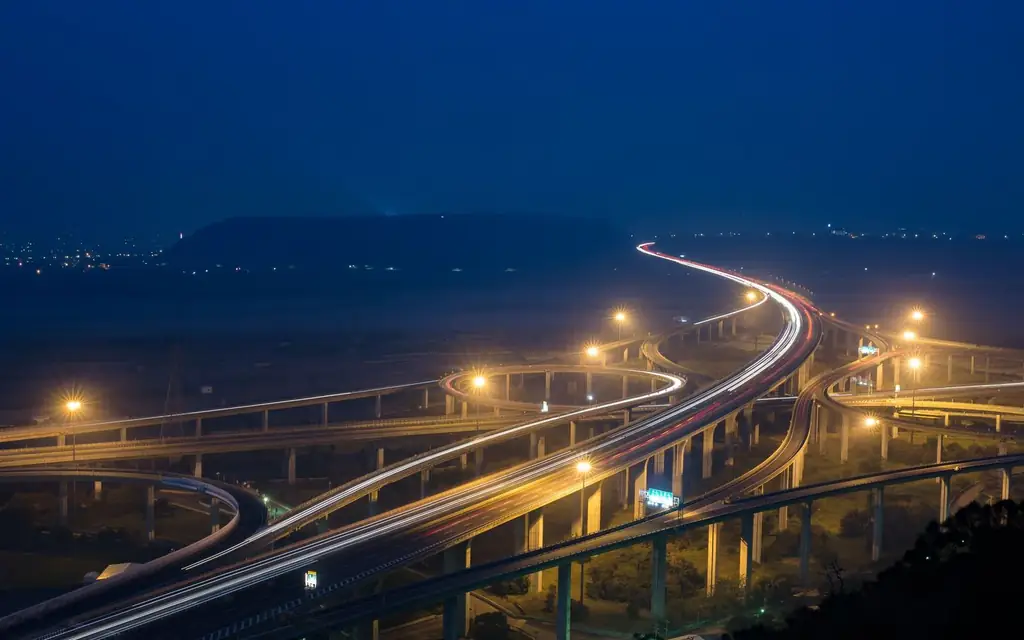
Haneda is about 15 km (9 miles) from Tokyo Station and Ginza, typically 25 to 45 minutes. Haneda's taxi and hire information page explains that the airport runs a flat-rate taxi system to central Tokyo approved by the Ministry of Land, Infrastructure, Transport and Tourism, with tolls charged on top, and that reserved and app-dispatched taxis use designated stands: near Exit 7 on the Terminal 1 departure lobby, near Exit 2 at Terminal 2, and on the 8th floor of the P5 car park at Terminal 3. Those stands opened on 22 October 2025, and the page warns that boarding locations may change with congestion.
Narita is about 65 km (40 miles) east of central Tokyo, usually 60 to 90 minutes by car. Narita's official taxi page publishes fixed zone fares: to the central wards in zone C (Chuo, Chiyoda, Taito, Bunkyo, Arakawa) and zone D (including Shinjuku, Shibuya and Minato), the listed fares run from ¥29,000 to ¥32,500 depending on zone and route, with highway tolls paid on top and a late-night surcharge between 22:00 and 5:00.
| Haneda (HND) | Narita (NRT) | |
|---|---|---|
| Distance to Tokyo Station | About 15 km / 9 mi | About 65 km / 40 mi |
| Typical drive | 25 to 45 minutes | 60 to 90 minutes |
| Taxi pricing (official airport information) | Flat rate approved by MLIT, tolls extra | Zone fares of ¥29,000 to ¥32,500 to central wards, tolls extra |
| Best use of a hire car | Straight into a day of meetings | Arrivals with luggage, families, late landings |
A pre-booked chauffeur does not use the taxi rank. With a meet and greet, your driver waits in the arrivals hall with a name board, then walks you to the car at the pickup point named on your confirmation. Flight tracking moves the pickup if the flight does, and international arrivals include 60 minutes of free waiting. See our Haneda chauffeur service page and the series guide to airport meet and greet for how the handover works.
Moving between the two airports by road is about 80 km (50 miles) and 90 minutes to two hours, which matters if you connect from a Narita long-haul arrival to a Haneda domestic flight.
A Marunouchi, Roppongi and Shinjuku day by the hour
Tokyo's business districts are close on a map and slow on the road. A typical weekday plan:

- 09:00, hotel in Marunouchi. First meeting is a short walk away; the car is not needed yet, so the hourly block starts at 10:30.
- 10:30, Marunouchi to Toranomon or Roppongi (about 5 km / 3 miles, 15 to 30 minutes).
- 12:30, lunch in Ginza (about 4 km / 2.5 miles, 15 to 25 minutes).
- 14:30, Ginza to Nishi-Shinjuku (about 9 km / 6 miles, 25 to 45 minutes via the Shuto Expressway).
- 18:30, dinner in Akasaka, then back to the hotel.
Four legs, two of them through the expressway network, with the driver handling the building entrances and the car parks. The same day by taxi is possible, but you will be explaining addresses to four different drivers. For multi-day investor schedules with a coordinator, see roadshow car service; for company billing, corporate car service.
To check the cost of a Tokyo day, enter the hotel, date and hours below; the full fare is displayed before checkout.
Etiquette: tipping, addresses and the quiet car
Tipping. Japan's national tourism organisation says on its tipping guidance that it is not common to tip for services such as taxis, hotels and restaurants, while private guides or interpreters may accept a tip as a gesture of gratitude, given discreetly. A professional hire driver will not expect cash. A sincere thank you, punctuality, and a clear schedule are what make the day go well. The series guide on chauffeur tipping customs worldwide compares Japan with other countries.

Addresses. Tokyo addresses are built from districts and block numbers rather than street names. Send the desk the full address in Japanese if you have it, the building name, and the entrance you will use. A business card from your host, photographed, is often the most useful document of the day.
The car itself. Hire cars are kept immaculate, and drivers tend to be quiet and formal. Calls, document review and rest are all normal uses of the time. If you prefer conversation or a running commentary on the city, say so; otherwise expect calm.
Punctuality. Japanese business culture is punctual, and your driver will plan to arrive early. If you are running late, message the driver rather than leaving them guessing.
Why most visitors should not self-drive in Tokyo
Some travellers consider renting a car instead. Japan's tourism organisation explains on its driving in Japan page that cars drive on the left, that visitors need an International Driving Permit obtained before departure, and that only booklet-type paper permits are valid in Japan, with card and smartphone versions not accepted. It also notes that parking is hard to find in city centres and that parking outside designated spaces may bring penalties.
Add expressway tolls, unfamiliar signage away from main roads and the address system, and self-driving makes sense for a countryside road trip, not a city day of meetings. A chauffeur removes all of that and lets you work in the back.
Day trips by hire car from Tokyo
For a long day out, the car can be booked by the hour or as one round-trip price. From the Marunouchi area, expect roughly:
- Yokohama about 30 km (19 miles), 40 to 60 minutes.
- Kamakura about 55 km (34 miles), 1 hour to 1 hour 30.
- Hakone and the Fuji area about 90 km (56 miles) to Hakone, usually 1 hour 30 to 2 hours 30 depending on weekend traffic.
- Nikko about 140 km (87 miles), roughly 2 hours to 2 hours 30.
Weekend and holiday traffic toward Hakone can double journey times, so a weekday is better for a long day out. For guided itineraries with stops, see private tours with a driver, and the sibling guide on hiring a private driver for the day explains how to size the block. For groups of six or more with luggage, a Sprinter van with driver is usually more practical than two sedans.
Linking a car to the Shinkansen or a private flight
Many Tokyo itineraries continue by bullet train to Kyoto or Osaka. A car timed to a Shinkansen departure from Tokyo or Shinagawa station takes the stress out of the transfer with luggage: give the desk the train time, and the driver plans to drop you with a comfortable margin at the entrance closest to your platform. On the return, the chauffeur can meet you at the station and start a fresh hourly block.
Guests arriving by business jet are handled the same way as at any other airport, with the pickup timed to wheels-down and coordinated with the handling agent; see private jet car service. Aircraft can be sourced through a charter request, with our desk acting purely as agent for a licensed operator.
Chauffeur service Tokyo or the train: which is better?
Tokyo's rail network is one of the best in the world, and an honest planner says so. A solo traveller with a carry-on, staying near a major station and visiting one office, will usually be faster and far cheaper by train, especially at peak hours when the expressways slow down. Choose a hire car when you have luggage, several stops in a day, older or very young family members, a principal who should not be on a crowded platform, or a schedule that cannot absorb a wrong exit at Shinjuku station.
| Situation | Better choice |
|---|---|
| Solo, light luggage, one meeting near a station | Train |
| Narita arrival with two large cases each | Hire car or fixed-fare transfer |
| Four meetings across three districts | Hourly hire car |
| A short hop in Ginza in the rain | Taxi |
| Family day to Hakone | Hourly hire car or round-trip fare |
Choosing the vehicle and briefing the driver
Most Tokyo hourly work is done in executive sedans, with larger vans for families and groups. Specific models depend on the operator and are confirmed with your booking; capacity by class is on the fleet page. The executive chauffeur service page describes the standard business service, and families who visit Japan often can arrange standing preferences through HNWI and family-office chauffeur.
Before the day, send: the address list in order with Japanese addresses where possible, the entrances you will use, luggage count, a phone number that works in Japan, and any hard deadlines such as a Shinkansen departure. Trips that continue beyond Japan can be linked through our global chauffeur service, with one desk and one invoice.
Sources
- Haneda Airport: taxi and hire information
- Narita International Airport: taxi fixed fares
- Japan National Tourism Organization: tipping in Japan
- Japan National Tourism Organization: driving in Japan
- Tokyo Hire-Taxi Association: fixed airport fares
Frequently asked questions
Do I need to tip my chauffeur in Tokyo?
No. Tipping is not customary in Japan for taxis, hotels or restaurants, and a professional hire driver does not expect it. Japan's tourism organisation notes that guides may accept a discreet tip as thanks, but a clear schedule and a sincere thank you are the usual courtesy for a driver.
How far is Narita from central Tokyo, and how long does the drive take?
Narita is about 65 km (40 miles) east of central Tokyo, usually 60 to 90 minutes by car depending on the time of day and route. Haneda is far closer, about 15 km (9 miles) from Tokyo Station, typically 25 to 45 minutes. Late-evening arrivals move faster, while weekday peaks slow both routes.
Will my Tokyo driver speak English?
English ability varies from driver to driver, so ask for an English-speaking driver when you book and the desk will confirm what the operator can provide. It also helps to send addresses in Japanese and share your host's contact number, so the driver can confirm an entrance directly if needed.
Can I book a hire car in Tokyo for a whole day?
Yes. Hourly booking is the normal format for a day of meetings or sightseeing. The online booker shows the minimum hours and the exact fare for your chosen duration before you confirm, and the desk can extend the booking during the day if the car's next assignment allows.
Is it better to take the train or a car from Haneda?
For a solo traveller with light luggage heading near a station, the train is cheaper and often quick. A car is better with heavy luggage, a family, a late arrival or a first meeting that starts soon after landing. The chauffeur meets you inside arrivals and tracks your flight.
Can my hire car take me to a Shinkansen departure?
Yes. Give the desk your train time and station, usually Tokyo or Shinagawa, and the driver plans to drop you at the entrance nearest your platform with a comfortable margin for luggage. The same car can be booked to meet your return train, and an hourly block can start from the station if your day continues with meetings.
Plan the rest of the trip
 Booking WorldwideOnline travel agency · our travel desk partner
Your chauffeur is booked here. Book the rest of the trip in one place: hotels, flights, resorts, activities, packages and car rentals in every country.
Plan your trip