 United StatesJFK
 MexicoMEX
 BrazilGRU
 ArgentinaEZE
 ChileSCL
 ColombiaBOG
 PeruLIM
 PanamaPTY
 Costa RicaSJO
 Dominican RepublicPUJ
 JamaicaMBJ
 BahamasNAS
 BarbadosBGI
 United KingdomLHR
 IrelandDUB
 FranceCDG
 GermanyFRA
 NetherlandsAMS
 BelgiumBRU
 SwitzerlandZRH
 AustriaVIE
 ItalyFCO
 SpainMAD
 PortugalLIS
 GreeceATH
 TurkeyIST
 DenmarkCPH
 SwedenARN
 NorwayOSL
 FinlandHEL
 PolandWAW
 Czech RepublicPRG
 HungaryBUD
 IcelandKEF
 United Arab EmiratesDXB
 QatarDOH
 Saudi ArabiaRUH
 IsraelTLV
 EgyptCAI
 MoroccoCMN
 South AfricaJNB
 KenyaNBO
 NigeriaLOS
 IndiaDEL
 PakistanLHE
 Sri LankaCMB
 SingaporeSIN
 MalaysiaKUL
 ThailandBKK
 VietnamSGN
 PhilippinesMNL
 IndonesiaCGK
 Hong KongHKG
 ChinaPVG
 TaiwanTPE
 JapanHND
 South KoreaICN
 AustraliaSYD
 New ZealandAKL
Private jet customs is faster than the airline experience mostly because the paperwork happens before you take off. By the time the aircraft lands, border officers already know who is aboard, where the flight came from and when it will arrive. The inspection itself may take minutes. Getting there, however, depends on manifests filed on time, permission to land at the right airport and passengers carrying the right documents.
This guide explains how an international private flight arrival works, starting with the United States (eAPIS and CBP), then Canada and the UK, and finishing with what passengers should carry and how to time the car.
How does customs work for private jets?
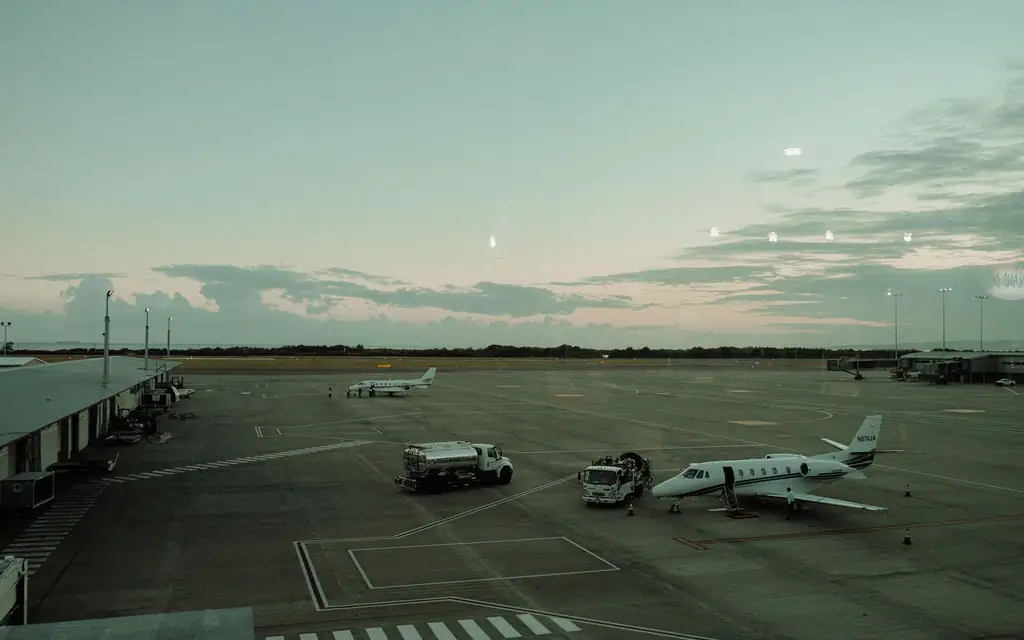
For an international private flight, the operator files an electronic passenger manifest before departure, obtains permission to land from the border agency at the arrival airport, and lands at an airport where officers can inspect the aircraft. Passengers then present passports and declarations to officers, usually at or near the FBO, rather than in the airline arrivals hall.
Who files depends on the type of flight. On a charter, the licensed operator flying you handles the filings. On a privately owned aircraft, the pilot or the owner's flight department does. Either way, the passengers' part is simple: give accurate passport details early and do not change the passenger list at the last minute.
Private or commercial: why the flight type matters
US Customs and Border Protection does not decide this based on the size of the jet. CBP's guidance treats an operator as commercial when it is transporting passengers or cargo for payment or other consideration (CBP General Aviation FAQs). A Part 135 charter you pay for therefore follows commercial procedures, while an owner flying family and friends on their own aircraft follows private procedures.
The differences show up in the details. For example, the same CBP FAQs state that the General Declaration (CBP Form 7507) is not required for private aircraft arrivals or departures but is required for commercial arrivals. When you book through our private jet charter desk, LimousineWorldwideDirectory.com acts as your booking agent; the operator, which holds operational control, completes the border filings for its flight.
What is eAPIS and when must it be filed?
eAPIS is CBP's online system for the Advance Passenger Information System manifest: the list of everyone aboard with their travel document details. For private aircraft, US regulations require the arrival manifest to be transmitted any time before the aircraft departs the foreign airport, but no later than 60 minutes before departure; departures from the US carry the same 60-minute minimum. The private aircraft pilot is responsible for ensuring the information is sent, and may authorize another party to transmit it (19 CFR 122.22, Cornell LII).
Sixty minutes is a legal minimum, not a plan; filing early leaves time to fix problems. The same regulation lists what the arrival manifest contains for each person aboard, and passengers can speed things up by sending it all at booking:
- Full name exactly as printed in the travel document, date of birth and gender.
- Citizenship and country of residence.
- Travel document type, number, issuing country and expiry date.
- Alien registration number, where applicable.
- Address in the United States, which is required for every traveler, crew included.
Permission to land and ports of entry
Filing the manifest is not the same as being allowed to land. CBP's general aviation fact sheet says that after transmitting the APIS manifest, the pilot is responsible for securing explicit permission to land from the specific CBP port of arrival, and that this must be obtained before departing the foreign airport. If the manifest changes, for example a tail number change or an added or substituted traveler, the operator must send an amended manifest and directly reconfirm permission to land (CBP, General Aviation Arrival and Departure Procedures).
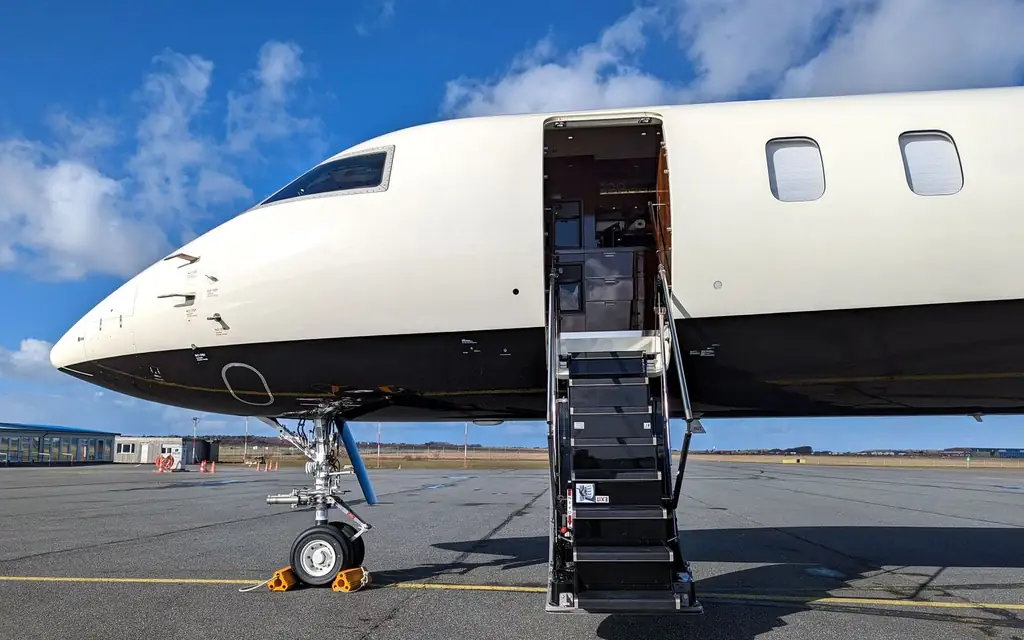
Where can a private flight land? CBP publishes a list of designated general aviation airports where inspection services are normally available for arrivals, and private aircraft pay CBP user fees through an annual private aircraft user fee decal. Certain aircraft arriving from some areas south of the United States must give advance notice and land at designated airports unless they hold an overflight exemption (CBP General Aviation Processing).
In practice this means your first US airport may not be your final destination. A flight from the Caribbean to a small field without customs may need to clear first at a port of entry such as Palm Beach and then continue domestically. Our guide to flying private to the Bahamas and Caribbean covers that pattern.
| Step | Who does it | When | What can go wrong |
|---|---|---|---|
| Collect passport data | Passengers to operator | At booking | Names not matching passports |
| Transmit eAPIS manifest | Pilot or operator (or authorized agent) | No later than 60 minutes before departure | Late filing, missing traveler |
| Secure permission to land | Pilot or operator, with the CBP port of arrival | Before leaving the foreign airport | Arriving at a port without capacity |
| Amend after changes | Pilot or operator | Before departure | Unreported passenger swap |
| Inspection on arrival | CBP officers, passengers present documents | On landing | Undeclared currency or food |
| Departure from the US | Pilot or operator files manifest; private aircraft usually cleared automatically | No later than 60 minutes before departure | Changes after filing |
What happens when you land in the US?
On arrival, the aircraft taxis to the area the port has designated, often beside or inside an FBO; our explainer on what an FBO is covers how those facilities work. Officers may board the aircraft or ask passengers to bring their bags to an inspection room. Stay on board or in the designated area until officers release you, and do not let anyone unload bags to a car before then.
Passengers present passports and any visas. CBP states that valid travel documentation is required for all passengers a general aviation operator boards, and that lawful permanent residents must present a permanent resident card (CBP General Aviation FAQs).
Need a car waiting when customs releases you? Price it here; the fare is confirmed before you pay.
What should passengers carry and declare?
Private passengers are travelers like any other in the eyes of customs. The rules that catch people out are about money, food and goods.
- Currency. CBP states that travelers entering the US carrying over $10,000, or its foreign equivalent, must file a FinCEN Form 105 (CBP, Know Before You Go). The same page notes that electronic filing requires arrival at a port of entry within 72 hours.
- Food and plants. All travelers must declare agricultural items, and most fruits, vegetables and plants are prohibited for personal entry without permits. Leftover in-flight food is treated separately; see our guide to private jet catering.
- Purchases. Keep receipts for items bought abroad and declare them. If unsure, declare.
- Pets. Animals need their own documents and, for some dogs, a specific entry airport. See flying with pets on a private jet.
- Medication. Carrying prescription medicine with its prescription makes any questions quick to answer.
A private aircraft does not create a private exemption. If anything, a small arrival gives officers more time with each passenger.
Canada: telephone reporting for private aircraft
Canada's system for general aviation is built around telephone reporting. CBSA guidance says pilots must call the Telephone Reporting Centre at least two hours, but no more than 48 hours, before arrival in Canada, on 1-888-226-7277; the aircraft must land at an approved airport of entry during CBSA business hours. Telephone reporting is for private or company-owned or leased aircraft carrying 15 people or fewer including crew, with a higher limit for some business flights from the US into eight major airports, and it is not available to aircraft that charge passengers a fee (CBSA Memorandum D2-5-12). Paid charters therefore follow commercial clearance procedures arranged by the operator.
For flights into the Toronto area, ask the operator which airport will be the airport of entry. Our Toronto limo service meets private flights and airline arrivals at Toronto Pearson.
United Kingdom: the General Aviation Report
In the UK, private and business flights notify Border Force and the police through a General Aviation Report (GAR). Official guidance says the GAR must be submitted no earlier than 48 hours and no later than 2 hours before the expected time of departure, that it is required for international flights to or from the UK including those within the Common Travel Area, and that a breach of the General Aviation (Persons on Board, Flight Information and Civil Penalties) Regulations 2024 can bring a civil penalty of up to £10,000 (GOV.UK, General Aviation Report guidance). The same guidance states that flights from outside the UK must first land at a regulated aerodrome unless Customs give permission.
Business aviation arrivals into London commonly use Farnborough, about 56 km (35 miles) from central London and 60 to 110 minutes by road on a weekday. A London chauffeur service booked by the hour gives you a car for the rest of the day once you are cleared.
Timing the car around customs
Customs is the main reason chauffeurs wait at FBOs. Build it into the booking:
- Give the desk the tail number and FBO, so the driver tracks the real landing time and goes to the right building.
- Expect the car to wait outside the customs area until officers release you. Planeside access, where allowed, comes after clearance; see FBO car service and planeside pickups.
- Use the free waiting window. With a private jet car service booked through LimousineWorldwideDirectory.com, free waiting starts at landing: 60 minutes after international arrivals and 30 minutes after domestic ones.
- Book hourly if the day is full. From Teterboro to Midtown Manhattan is about 19 km (12 miles), 25 to 35 minutes off-peak; an hourly chauffeur avoids a second booking for the afternoon.
For multi-country trips, our global chauffeur service keeps one booking reference across every city on the itinerary.
Sources
- U.S. Customs and Border Protection, General Aviation Processing
- U.S. Customs and Border Protection, General Aviation Processing FAQs
- U.S. Customs and Border Protection, General Aviation Arrival and Departure Procedures fact sheet (PDF)
- 19 CFR 122.22, Electronic manifest requirements for passengers, crew members and non-crew members onboard private aircraft (Cornell LII)
- U.S. Customs and Border Protection, Know Before You Go
- Canada Border Services Agency, Memorandum D2-5-12, Telephone Reporting for General Aviation and Private Boats
- GOV.UK, General Aviation Report guidance
Frequently asked questions
Do private jet passengers go through customs?
Yes. Passengers on international private flights clear immigration and customs like any traveler, but usually in a small facility at or near the FBO rather than the airline arrivals hall. Officers already have the manifest filed before departure, so the inspection itself is often quick. Have passports, visas and any declarations ready when the door opens.
What is eAPIS?
eAPIS is the online system US Customs and Border Protection uses to receive Advance Passenger Information System manifests for private and general aviation flights. It lists everyone aboard and their travel documents. For private aircraft, the manifest must be sent no later than 60 minutes before departure for arrivals into, and departures from, the United States.
Who files customs paperwork on a charter flight?
The operator flying the aircraft. On a paid charter, the licensed operator files the manifests and arranges permission to land. Your job is to give accurate passport details for every passenger when you book and to tell the broker immediately about any change, because an amended manifest and reconfirmed landing permission may be needed.
Can a private jet land at any airport after an international flight?
No. Arriving aircraft must land where border inspection is available. In the US, CBP publishes a list of designated general aviation airports, and some flights from areas south of the country must land at specific designated airports. If your destination has no customs, the flight may clear at a port of entry first and then continue.
What happens if a passenger changes after the manifest is filed?
The operator must send an amended manifest and, for US arrivals, reconfirm permission to land with the CBP port. If the change happens less than 60 minutes before departure, CBP approval of the amended data is needed before the aircraft may leave. Late changes are the most common cause of avoidable delays.
How long should my chauffeur wait after an international private arrival?
Book the car to the FBO with the tail number so the driver tracks the actual landing. Through LimousineWorldwideDirectory.com, free waiting after an international arrival is 60 minutes from landing, which covers most customs inspections. If you expect a longer process, such as several passengers or pets, tell the desk.
Plan the rest of the trip
 Booking WorldwideOnline travel agency · our travel desk partner
Your chauffeur is booked here. Book the rest of the trip in one place: hotels, flights, resorts, activities, packages and car rentals in every country.
Plan your trip