 United StatesJFK
 MexicoMEX
 BrazilGRU
 ArgentinaEZE
 ChileSCL
 ColombiaBOG
 PeruLIM
 PanamaPTY
 Costa RicaSJO
 Dominican RepublicPUJ
 JamaicaMBJ
 BahamasNAS
 BarbadosBGI
 United KingdomLHR
 IrelandDUB
 FranceCDG
 GermanyFRA
 NetherlandsAMS
 BelgiumBRU
 SwitzerlandZRH
 AustriaVIE
 ItalyFCO
 SpainMAD
 PortugalLIS
 GreeceATH
 TurkeyIST
 DenmarkCPH
 SwedenARN
 NorwayOSL
 FinlandHEL
 PolandWAW
 Czech RepublicPRG
 HungaryBUD
 IcelandKEF
 United Arab EmiratesDXB
 QatarDOH
 Saudi ArabiaRUH
 IsraelTLV
 EgyptCAI
 MoroccoCMN
 South AfricaJNB
 KenyaNBO
 NigeriaLOS
 IndiaDEL
 PakistanLHE
 Sri LankaCMB
 SingaporeSIN
 MalaysiaKUL
 ThailandBKK
 VietnamSGN
 PhilippinesMNL
 IndonesiaCGK
 Hong KongHKG
 ChinaPVG
 TaiwanTPE
 JapanHND
 South KoreaICN
 AustraliaSYD
 New ZealandAKL
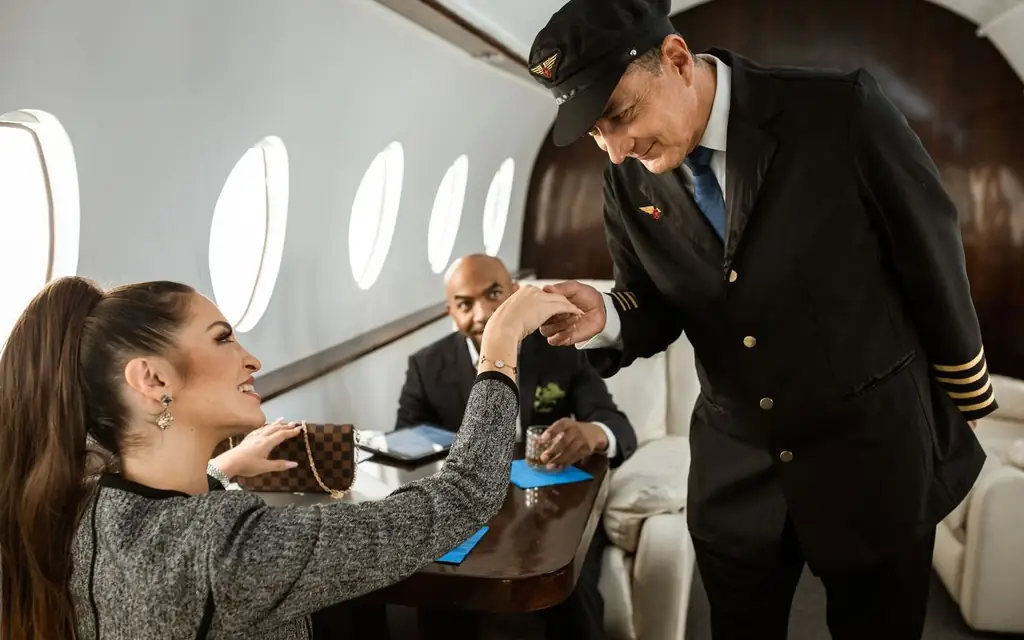
Private jet etiquette is mostly about respecting a small team that has planned an entire flight around you. There is no gate agent, no boarding group and usually no flight attendant on smaller aircraft; there is a captain, a first officer, an FBO team on the ground and a chauffeur at each end. If this is your first time on a private jet, the habits below will make the day smoother for everyone, including you.
We have arranged the guide in the order things happen: booking, the day before, the drive to the airport, boarding, the flight itself and arrival.
What is private jet etiquette, in short?
Private jet etiquette means giving the operator accurate passenger details early, arriving at the time the crew asks, packing bags that fit the aircraft, following the pilot's safety briefing, asking before you bring guests, pets or alcohol aboard, and treating the crew and drivers as professionals running your trip, not as hotel staff.
The rules you must follow come from the operator and aviation regulation. The courtesies come from the fact that a private flight is built around a short list of named people. Change that list or the timing and someone has to redo work behind the scenes.
Before you fly: the booking stage
Good manners start with good information. When you request a quote through our private jet charter desk, LimousineWorldwideDirectory.com acts as your booking agent and the flight is operated by a licensed air carrier, such as an FAA Part 135 certificate holder in the US, which keeps operational control. That operator needs four things from you as early as possible:

- Full legal names of every passenger, exactly as on their passport or ID.
- Passport details for any international leg. US Customs and Border Protection states that valid travel documentation is required for all passengers a general aviation operator boards (CBP General Aviation FAQs).
- A realistic bag count, including golf clubs, skis, garment bags and anything oversized.
- Special requests: pets, catering preferences, allergies, child seats in the car, a wheelchair at the FBO.
Late surprises are the main cause of delays. An extra passenger can change the weight calculation; an undeclared set of skis may not fit a light jet's hold. Our guide to private jet baggage limits explains why size matters as much as weight.
The day before: confirm, then go quiet
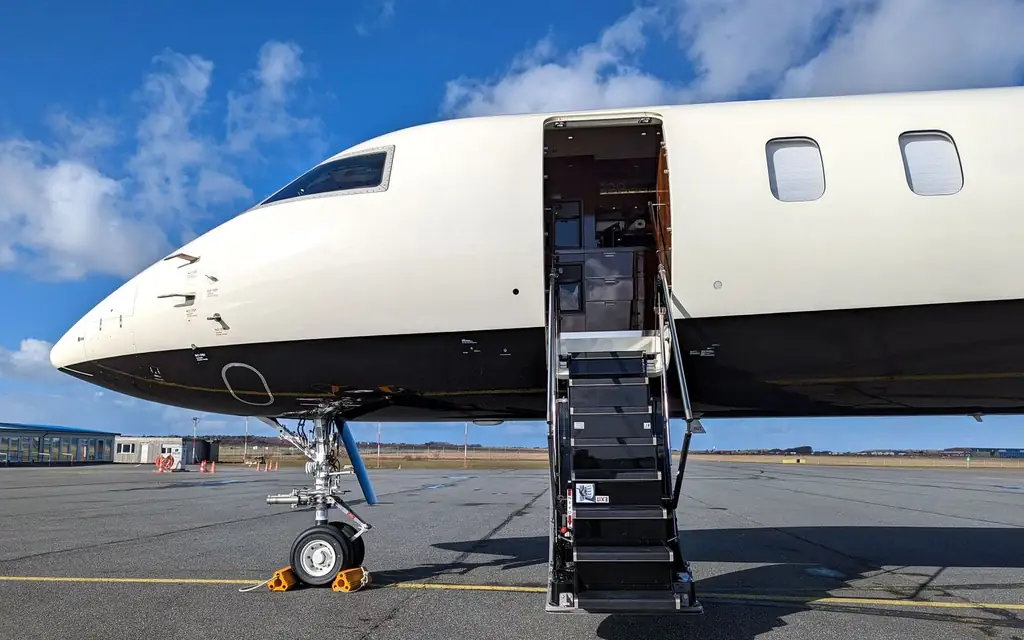
The day before departure, the operator or broker usually sends a trip sheet with the FBO name, the planned departure time, the tail number and the crew's names. Read it, forward it to anyone traveling with you, and confirm the ground transport against it.
This is also the right moment to:
- Reconfirm the car to the departure FBO and the car meeting you on arrival. Book a private jet car service to the FBO by name, not just the airport.
- Send final catering choices if you have them (the operator passes them to a local caterer).
- Tell the operator about any change in the party. On international trips, the passenger manifest filed with border authorities must match the people who board.
After that, resist the urge to keep adjusting. Each change sends a message down a chain of operator, crew, FBO, caterer and chauffeur.
How early should you arrive for a private flight?
Arrive at the time your crew or operator gives you, no later. Private aviation removes the airline check-in queue, so the window is far shorter than for a scheduled flight, but the crew still has to load bags, check IDs, give a briefing and depart at a time they may have coordinated with air traffic control and, on international legs, with customs.
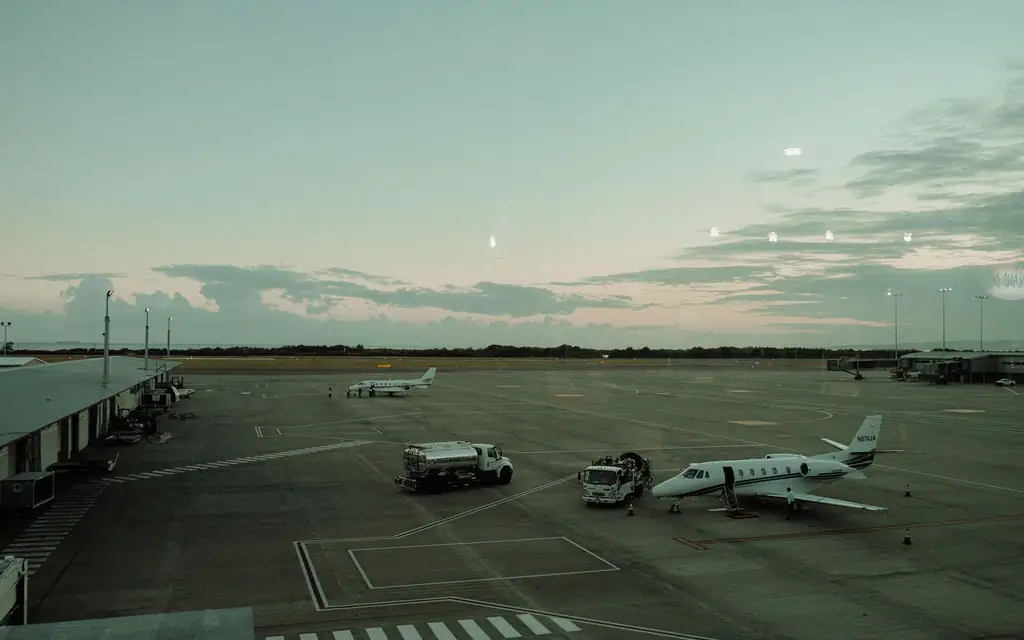
Arriving very early is not rude, but the aircraft may still be fueling or being cleaned. FBO lounges are comfortable places to wait, and many have meeting rooms; our explainer on what an FBO is covers what you will find inside.
Arriving late is the bigger issue. A delay can push the flight outside a planned slot, affect crew duty time or, on an inbound international flight, move the aircraft outside the arrival window the border authority approved. Build traffic into the car booking. For example, from Midtown Manhattan to Teterboro is about 19 km (12 miles), 25 to 35 minutes off-peak, and can take up to 90 minutes when the Lincoln Tunnel is congested.
What to wear on a private jet
There is no dress code on most charters, and nobody will check your shoes. Practical choices still help:
- Layers. Cabin temperatures vary on small aircraft and the ramp can be cold, windy or very hot.
- Flat, closed shoes. Airstairs are steep and narrow, and you may walk across the apron.
- Clothes you can sit in for the whole flight. Smaller jets do not have room to change.
- Something smart in the carry-on if you are going straight from the aircraft to a meeting, a premiere or a dinner.
On corporate flights, dress as you would for the meeting you are flying to. Your hosts at the other end may be standing at the FBO door.
Boarding and the safety briefing
Even on the most relaxed flight, the safety briefing is not optional. US rules for commuter and on-demand operators require the pilot in command to make sure every passenger is briefed before takeoff on smoking rules, seat belts, seat backs, the location and operation of the exits, survival equipment, fire extinguishers and, where relevant, ditching procedures and oxygen (14 CFR 135.117). Put the phone down and listen; every aircraft type is different.
A few related courtesies:
- Wait to be invited aboard. The crew may still be completing checks.
- Let the crew stow bags. Carry-on items must be secured against movement and must not block the aisle or exits (14 CFR 135.87). That is why the first officer may move your tote bag to a locker.
- Do not smoke or vape. Smoking in any aircraft lavatory is prohibited, and passengers must follow crew instructions on smoking rules (14 CFR 135.127). On a charter, assume no smoking unless the operator says otherwise in writing.
- Ask before taking photos of the cockpit. Most crews will happily oblige on the ground.
The flight: alcohol, phones, seats and the crew
This is where private flying feels most different, and where a little restraint goes a long way.
Alcohol. On a charter, you cannot simply bring your own bottle and pour it. Under US rules for Part 135 operators, no person may drink an alcoholic beverage aboard unless the certificate holder operating the aircraft has served it, and the operator may not serve anyone who appears intoxicated or let them board (14 CFR 135.121). If you want a particular wine, ask the operator to source it or to accept your bottle and serve it.
Phones and calls. Wi-Fi is available on many larger jets, not all. Keep calls at a reasonable volume when the cabin is shared.
Seats. On a corporate trip, let the host or the most senior traveler choose first, or simply ask the crew where to sit. On any flight, stay belted whenever the crew asks you to be.
The crew. Pilots on smaller jets often handle the cabin themselves. They are aviation professionals, not butlers. A simple "thank you" and a heads-up about anything you need before descent are appreciated.
Need the car on the other side? Price it here; the fare is confirmed before you pay.
Do you tip private jet pilots and crew?
Tipping is not built into private aviation the way it is in restaurants, and there is no standard rate. Many charter operators have their own policy on whether crew may accept gratuities, so the polite approach is to ask your broker or the operator before the trip. If a crew member went far beyond the brief, a handwritten note or a message to the operator naming them is always welcome.
The ground is different. Chauffeurs and FBO line staff work in service industries where tipping customs vary by country. Our chauffeur tipping guide covers norms by region. When you book a car through LimousineWorldwideDirectory.com, the online booker shows the full fare before you confirm, so you can see what is and is not included.
| Who | Is a tip expected? | Better way to say thanks |
|---|---|---|
| Charter pilots | No standard; operator policy varies | Ask the operator first; send a note naming the crew |
| Cabin attendant (larger jets) | No standard; operator policy varies | Ask the operator; praise to the operator |
| FBO line staff | Varies by country and facility | Thank them; follow local custom |
| Chauffeur | Varies by country | See our tipping guide; check whether gratuity is included |
| Charter broker or booking desk | Not expected | A review or repeat booking |
Arrival: wheels-down to the back seat
The best arrivals are the ones where nobody waits. A few habits help:
- Stay seated until the crew opens the door and the airstair is down.
- Let the crew and FBO staff unload the bags. Point out anything fragile.
- On international arrivals, wait for clearance. Border officers may meet the aircraft or process you in the FBO; your car should not be released until they have finished. Our guide to private jet customs and immigration explains the steps.
- Know who is meeting you. Your chauffeur's name, phone number and vehicle should be in your confirmation.
Planeside pickups are allowed at some FBOs and not others; never ask a driver to talk their way onto the ramp. Where it is not permitted, the chauffeur waits in the FBO lobby or at the door. Free waiting is counted from landing: 60 minutes after international arrivals and 30 minutes after domestic arrivals, which covers most customs and baggage delays.
If you have meetings on arrival, book an hourly chauffeur who stays with you, rather than a one-way transfer. At Van Nuys, for instance, Beverly Hills is about 20 km (12 to 13 miles) away and 25 to 45 minutes off-peak, so a car on standby saves calling for a new one between stops. For high-profile guests, our VIP chauffeur service adds discreet pickup points and pre-shared plates with the FBO where the facility allows it.
First time private jet: common mistakes to avoid
- Bringing a surprise guest. The manifest, the weight calculation and, abroad, the border filing are built on the names you gave.
- Packing in hard-sided oversized cases. Soft bags fit small holds far better.
- Booking the car to the wrong terminal. Large airports have several FBOs on different sides of the field. Use the FBO name from the trip sheet.
- Assuming the jet will wait indefinitely. It often can wait a little, but crew duty limits, slots and customs windows are real.
- Forgetting passports on "short" hops. A flight from Florida to the Bahamas is international.
- Bringing a pet without telling anyone. Animals need operator approval and, across borders, paperwork; see flying with pets on a private jet.
- Cancelling the car at the last minute. Ground bookings made through LimousineWorldwideDirectory.com are free to cancel more than 72 hours before pickup; inside 72 hours 10% applies, inside 48 hours 50%, and inside 24 hours or for a no-show the full fare.
Our why book with us page explains how one desk coordinates the aircraft request and the cars at both ends, and our list of private aviation terminals shows the drive times we plan around.
Sources
- U.S. Customs and Border Protection, General Aviation Processing FAQs
- 14 CFR 135.117, Briefing of passengers before flight (Cornell LII)
- 14 CFR 135.87, Carriage of cargo including carry-on baggage (Cornell LII)
- 14 CFR 135.127, Passenger information requirements and smoking prohibitions (Cornell LII)
- 14 CFR 135.121, Alcoholic beverages (Cornell LII)
Frequently asked questions
Do I need ID to fly on a private jet?
Yes. Expect the crew or FBO staff to check government photo ID against the passenger list, and bring your passport for any international leg, even a short one. Give the operator your names exactly as they appear on your documents when you book, because international manifests are filed with border authorities before departure.
Can I bring my own alcohol on a private jet?
On a US charter you generally cannot pour your own. Federal rules for Part 135 operators say passengers may only drink alcohol served by the operator, and the operator may not serve anyone who appears intoxicated. Ask the operator in advance to source your preferred wine or spirits, or to accept and serve a bottle you supply.
Is there a dress code on private jets?
Usually not. Wear comfortable layers and flat, closed shoes for the airstairs and the ramp, and keep a smarter outfit in your carry-on if you are going straight to a meeting or event. On corporate flights, dress for the meeting at the other end, since hosts sometimes greet passengers at the FBO.
How much luggage can I bring?
It depends on the aircraft. Light jets have small holds, and the shape of your bags matters as much as weight. Soft-sided bags fit far better than large hard cases. Tell the operator your exact bag count, including skis, golf clubs and garment bags, when you book so they can confirm everything fits.
What if I am running late for my private flight?
Call your broker or the operator as soon as you know. The crew may be able to wait, but crew duty limits, departure slots and customs arrival windows can restrict how long. A realistic car booking, with traffic built in, is the best prevention; our desk can adjust the pickup time when you call (877) 860-3388.
Should I tip the chauffeur who drives me to the FBO?
Customs vary by country, and some bookings include gratuity while others do not. Check your confirmation first, then follow local practice. Our chauffeur tipping guide sets out norms by region. The online booker shows the full fare before you confirm, so there are no hidden charges on the ride itself.
Plan the rest of the trip
 Booking WorldwideOnline travel agency · our travel desk partner
Your chauffeur is booked here. Book the rest of the trip in one place: hotels, flights, resorts, activities, packages and car rentals in every country.
Plan your trip